

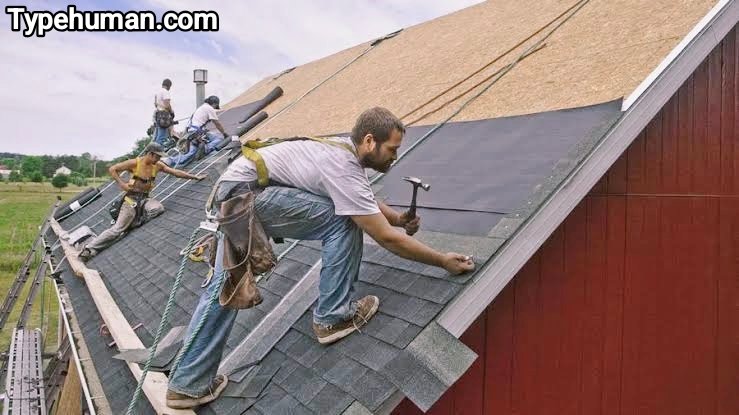
A roof is one of the most important components of any building, providing protection from weather elements, maintaining energy efficiency, and contributing to the overall structural integrity of a property. Over time, however, roofs naturally deteriorate due to exposure to sun, wind, rain, snow, and temperature fluctuations. When damage accumulates or the roof reaches the end of its lifespan, roof replacement becomes necessary to safeguard the home, prevent leaks, and maintain property value. Roof replacement is a complex process that requires careful assessment, quality materials, proper installation, and skilled craftsmanship to ensure long-lasting performance and reliable protection.
Choosing the right roof and replacement method is critical, as improper installation can lead to leaks, structural damage, energy inefficiency, and additional repair costs. Homeowners must consider factors such as roof type, material durability, climate, ventilation, and budget before undertaking a roof replacement project. Professional roofing contractors are trained to evaluate these factors, recommend suitable materials, and carry out installation in compliance with building codes and safety standards. A well-executed roof replacement not only enhances the appearance of a property but also provides peace of mind, knowing that the building is protected against the elements for many years.
Signs That Indicate a Roof Replacement Is Needed
Identifying when a roof requires replacement is essential to prevent severe damage to the property. One of the most common signs is visible damage, such as cracked, curling, or missing shingles. Over time, shingles lose their protective granules, exposing the underlying layers to moisture and increasing the risk of leaks. Persistent leaks or water stains on ceilings and walls indicate that the roof may no longer provide adequate protection, signaling the need for replacement rather than temporary repair.
Another indicator is age. Most roofing materials, such as asphalt shingles, metal roofing, or tile, have an expected lifespan, and older roofs may lose their structural integrity and effectiveness. If a roof is nearing or exceeding its recommended lifespan, replacement is often a safer and more cost-effective option than frequent repairs. Additionally, widespread damage caused by storms, high winds, or hail can compromise multiple areas of the roof, making partial repairs insufficient and necessitating full replacement. Warping, sagging, or uneven rooflines also suggest structural deterioration, highlighting the importance of professional evaluation.
Types of Roofs and Material Options
Selecting the right roofing material is a crucial aspect of roof replacement, as it affects durability, maintenance, aesthetics, and cost. Asphalt shingles are among the most popular choices due to their affordability, ease of installation, and wide range of colors and styles. They provide adequate protection for most climates and can last 20 to 30 years with proper maintenance.
Metal roofing offers exceptional durability, resistance to extreme weather, and energy efficiency due to reflective coatings that reduce heat absorption. Metal roofs are long-lasting, with lifespans of 40 to 70 years, and require minimal maintenance. Tile roofs, including clay and concrete options, are highly durable, fire-resistant, and visually appealing, making them ideal for homes seeking a distinct architectural style. However, tile roofing is heavier and may require structural reinforcement. Slate roofs provide premium durability and aesthetic appeal but come with higher installation costs and require expert craftsmanship due to the material’s weight and brittleness.
Flat or low-slope roofs, often found on commercial buildings, use materials such as modified bitumen, EPDM rubber, or TPO membranes. These materials provide waterproofing, flexibility, and durability, but installation requires careful attention to drainage and sealing to prevent leaks. A professional roofing contractor can assess the property and recommend the best material based on climate, building structure, budget, and long-term performance requirements.
The Roof Replacement Process
Roof replacement involves multiple steps, each of which must be executed with precision and expertise. The process begins with a thorough inspection to assess the condition of the existing roof, underlying structures, and any damage that may require repair prior to installation. Accurate measurements are taken to determine material quantities and ensure proper fit and alignment.
Next, the old roofing materials are carefully removed. This step, called tear-off, includes disposing of shingles, underlayment, flashing, and other components while protecting the surrounding property from debris. Inspecting the roof deck for rot, damage, or structural issues is crucial, as any problems must be repaired before installing the new roof. Proper installation of underlayment, which acts as a moisture barrier, is critical to prevent leaks and enhance roof longevity.
Shingles or chosen roofing material are then installed according to manufacturer guidelines, building codes, and best practices. Flashing is placed around chimneys, vents, and other roof penetrations to prevent water intrusion, and ridge caps or finishing materials are applied to provide a complete seal and polished appearance. During installation, attention to ventilation and insulation ensures energy efficiency, reduces heat buildup, and prevents premature material deterioration. Once installation is complete, the roof is inspected for proper alignment, secure fastening, and overall quality, and any debris is removed from the property.
Benefits of Professional Roof Replacement
Hiring a professional roofing contractor for roof replacement offers several advantages that ensure a durable and efficient roof. Skilled contractors bring experience, proper tools, and knowledge of local building codes to the project, ensuring compliance and quality workmanship. Professional installation minimizes the risk of leaks, improper alignment, or material damage, which can result from DIY efforts or inexperienced labor.
A new roof enhances energy efficiency by improving insulation and ventilation, reducing heating and cooling costs over time. It also improves the home’s curb appeal, increasing property value and aesthetic appeal. Safety is another important factor, as roof replacement involves working at heights and handling heavy materials, which can be hazardous without proper equipment and training. Professional contractors ensure safe work practices, reducing the risk of accidents or injuries. Additionally, many roofing companies provide warranties for materials and labor, giving homeowners peace of mind and protection against future issues.
Maintenance and Longevity After Roof Replacement
Proper maintenance after roof replacement is essential to maximize the lifespan of the new roof. Routine inspections for signs of damage, debris accumulation, or water intrusion help identify potential issues early. Cleaning gutters and downspouts ensures proper drainage and prevents water from pooling on the roof or around the foundation. Trimming overhanging tree branches reduces the risk of falling debris causing damage, and periodic inspections of flashing and seals maintain water tightness.
Different roofing materials require specific maintenance practices. Asphalt shingles benefit from inspections for missing granules or curling edges, while metal roofs may need periodic checks for corrosion or loose fasteners. Tile roofs require inspections for cracked or displaced tiles, and flat or membrane roofs should be monitored for pooling water or punctures. Timely maintenance not only extends the roof’s life but also protects the building, reduces repair costs, and maintains energy efficiency.
Conclusion
Roof replacement is a significant investment that safeguards a home, improves energy efficiency, enhances curb appeal, and maintains structural integrity. Proper assessment, material selection, and professional installation are essential to ensure long-term performance and reliability. By recognizing the signs that indicate replacement is necessary, understanding available materials and their benefits, and working with skilled roofing professionals, homeowners can protect their property from weather damage, leaks, and costly repairs.
Regular maintenance following roof replacement further extends the roof’s lifespan, enhances safety, and preserves its appearance. Investing in a high-quality roof and professional installation provides peace of mind, knowing that the property is secure, energy-efficient, and aesthetically appealing. A properly executed roof replacement not only addresses immediate concerns but also contributes to the long-term durability, safety, and value of the home, making it one of the most important aspects of property care.
 hamza seo