

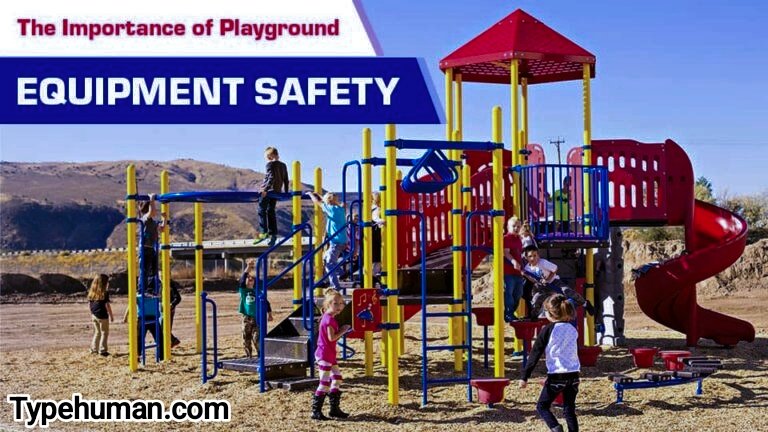
Playground equipment plays a fundamental role in the healthy development of children, serving as both a source of entertainment and a tool for physical, cognitive, and social growth. Modern playgrounds are carefully designed to provide stimulating environments that encourage exploration, physical activity, and peer interaction while maintaining safety standards. The benefits of playground equipment extend far beyond simple amusement. It fosters strength, coordination, balance, creativity, social skills, and problem-solving abilities in children of all ages. For parents, educators, and community planners, understanding playground equipment, its design, selection, and maintenance is essential to creating spaces where children can engage safely and meaningfully. Well-planned playgrounds can also promote healthy lifestyles at a time when sedentary behavior is increasingly common, helping children establish positive habits that last into adulthood.
Types of Playground Equipment
Playground equipment comes in a wide variety of designs, each serving a different purpose in children’s physical and cognitive development. Swings are one of the most traditional and recognizable elements in playgrounds. They provide children with a thrilling sense of motion while simultaneously developing balance, coordination, and spatial awareness. Modern swings often include safety harnesses, bucket seats for toddlers, and inclusive designs that accommodate children with disabilities, ensuring that all children can experience the joy of swinging. Slides are another staple of playgrounds, offering fun while promoting strength, coordination, and confidence. Children climbing ladders to reach the top of a slide engage their leg and core muscles, while descending safely requires balance and judgment. Slides come in straight, spiral, and tube designs, each providing varying degrees of challenge and excitement.
Climbing structures such as jungle gyms, rope nets, and rock walls are increasingly popular for their developmental benefits. These structures require children to plan movements, evaluate risks, and coordinate multiple muscle groups, promoting problem-solving skills and self-confidence. Equipment that challenges balance, such as stepping stones, wobble bridges, and balance beams, further strengthens core muscles, improves equilibrium, and enhances motor control. Beyond physical development, modern playgrounds often incorporate interactive and sensory elements, including musical panels, tactile surfaces, sand and water stations, and manipulable educational panels, which stimulate creativity, sensory awareness, and fine motor skills. Inclusive equipment ensures that children with physical, sensory, or cognitive disabilities can participate fully. Accessible ramps, transfer platforms, and wheelchair-compatible swings allow children of all abilities to engage safely and meaningfully with playground activities.
Safety Considerations for Playground Equipment
Safety is the most critical consideration when selecting and maintaining playground equipment. Poorly installed or deteriorated equipment can lead to injuries, some of which may be severe. One of the key principles of playground safety is age-appropriate design. Equipment intended for toddlers is generally lower, enclosed, and simpler, while school-aged children benefit from taller, more challenging structures that allow for climbing, swinging, and imaginative play. Using equipment outside the recommended age range can increase the risk of falls or accidents. Material quality is another essential factor. Durable, weather-resistant, non-toxic materials such as high-density plastics, treated wood, and stainless steel can withstand frequent use and environmental stressors while minimizing hazards like sharp edges, splinters, and pinch points.
The surface beneath playground equipment also plays a significant role in safety. Impact-absorbing surfaces such as rubber mats, engineered wood fiber, sand, or mulch reduce the severity of injuries from falls, while hard surfaces like concrete or asphalt are generally unsafe for active play. Proper spacing between structures is equally important to prevent collisions, overcrowding, or entanglement hazards. Adequate clearance around swings, slides, climbing structures, and other equipment allows children to move safely without unnecessary risks. Finally, ongoing maintenance is essential. Bolts, anchors, and joints should be checked regularly, and any damaged or worn components must be repaired promptly. Seasonal inspections ensure that the playground remains safe throughout the year, even in harsh weather conditions.
Benefits of Playground Equipment
The benefits of playground equipment extend well beyond recreation. Physically, playground activities strengthen muscles, improve cardiovascular health, enhance flexibility, and develop both fine and gross motor skills. Activities like climbing, swinging, balancing, and sliding engage multiple muscle groups and encourage children to develop body awareness and coordination. Cognitive skills are also nurtured through play. Interactive panels, climbing structures, and obstacle courses challenge children to assess risks, plan movements, and make decisions, fostering problem-solving, spatial reasoning, and critical thinking.
Social and emotional development is another important outcome of playground activities. Children learn communication, cooperation, turn-taking, and conflict-resolution skills while interacting with peers. Sharing equipment, negotiating roles in imaginative play, and collaborating on challenges help build empathy, patience, and self-confidence. Playgrounds also stimulate creativity and imagination. Simple structures can become castles, spaceships, or jungle gyms, while climbing and balancing activities encourage children to invent scenarios and role-play, fostering cognitive flexibility and creative thinking. Inclusive playground equipment amplifies these benefits by ensuring that all children, regardless of ability, can participate and interact. Inclusive play fosters empathy, understanding of diversity, and social cohesion among children from a young age, encouraging inclusive behaviors that carry into adulthood.
Selecting the Right Playground Equipment
Choosing appropriate playground equipment requires careful planning and consideration of several factors. First, the intended age range of users must be considered. Equipment designed for toddlers should be lower to the ground, enclosed, and simple, while older children may benefit from more challenging climbing frames, slides, and obstacle courses. Space and layout are equally important; playgrounds require sufficient room between structures to prevent collisions and ensure safe play. Paths and open spaces for running or unstructured activity further enhance safety and usability. Material selection plays a major role in longevity and safety. Stainless steel, high-density plastics, and treated wood are common choices for their durability and ability to withstand weather, frequent use, and occasional vandalism. Accessibility should also be a primary consideration, ensuring ramps, transfer platforms, and sensory panels allow children of all abilities to participate. Finally, budget and maintenance requirements must be factored in. While durable, low-maintenance equipment may have higher upfront costs, the long-term benefits in safety, longevity, and reduced repair expenses often outweigh initial investment.
Trends in Modern Playground Equipment
Playground design continues to evolve, emphasizing creativity, inclusivity, and sustainability. Nature-inspired play structures utilize natural terrain, logs, rocks, and plants to create adventurous and environmentally friendly spaces. Interactive technology is increasingly incorporated into playgrounds, including panels with lights, sounds, and digital elements that provide educational and sensory engagement. Community-focused design ensures that playgrounds accommodate multiple age groups and encourage family participation, allowing children and adults to enjoy the space together. Sustainability is another emerging priority, with recycled materials and eco-friendly components reducing environmental impact while maintaining durability. Inclusive play spaces remain a core trend, ensuring equitable access and social interaction for children with diverse abilities and needs.
Maintenance Tips for Playground Equipment
Proper maintenance is essential for safety, longevity, and usability of playground equipment. Routine inspections should include checking for loose bolts, cracks, sharp edges, and worn or broken components. Impact-absorbing surfaces require periodic replenishment or repair to maintain their protective properties. Wooden structures may need weatherproofing treatments to prevent decay, while metal equipment should be inspected for rust and corrosion. Repairing or replacing damaged components promptly prevents accidents and ensures continuous usability. Regular cleaning and sanitation, especially in public playgrounds, also promote hygiene and reduce the risk of disease transmission. A consistent maintenance schedule helps maintain equipment quality, safety, and aesthetic appeal while extending the overall lifespan of the playground.
Conclusion
Playground equipment serves as a cornerstone of childhood development, offering physical, cognitive, social, and emotional benefits while fostering creativity and inclusivity. From traditional swings and slides to modern interactive and sensory structures, well-designed equipment provides children with engaging, safe, and stimulating environments. Selecting the right equipment involves evaluating age-appropriateness, durability, accessibility, and maintenance requirements, while safety considerations such as surface materials, spacing, and regular inspections are critical for preventing injuries. Modern trends emphasize nature-inspired designs, interactivity, sustainability, and inclusive play, creating spaces that benefit children of all abilities. By investing in high-quality playground equipment and maintaining it consistently, communities, schools, and families create enriching environments that support holistic child development, encourage active lifestyles, and foster social skills. Thoughtful playground design and upkeep ensure that children can explore, learn, and play safely, building confidence, creativity, and lifelong healthy habits.
 hamza seo