

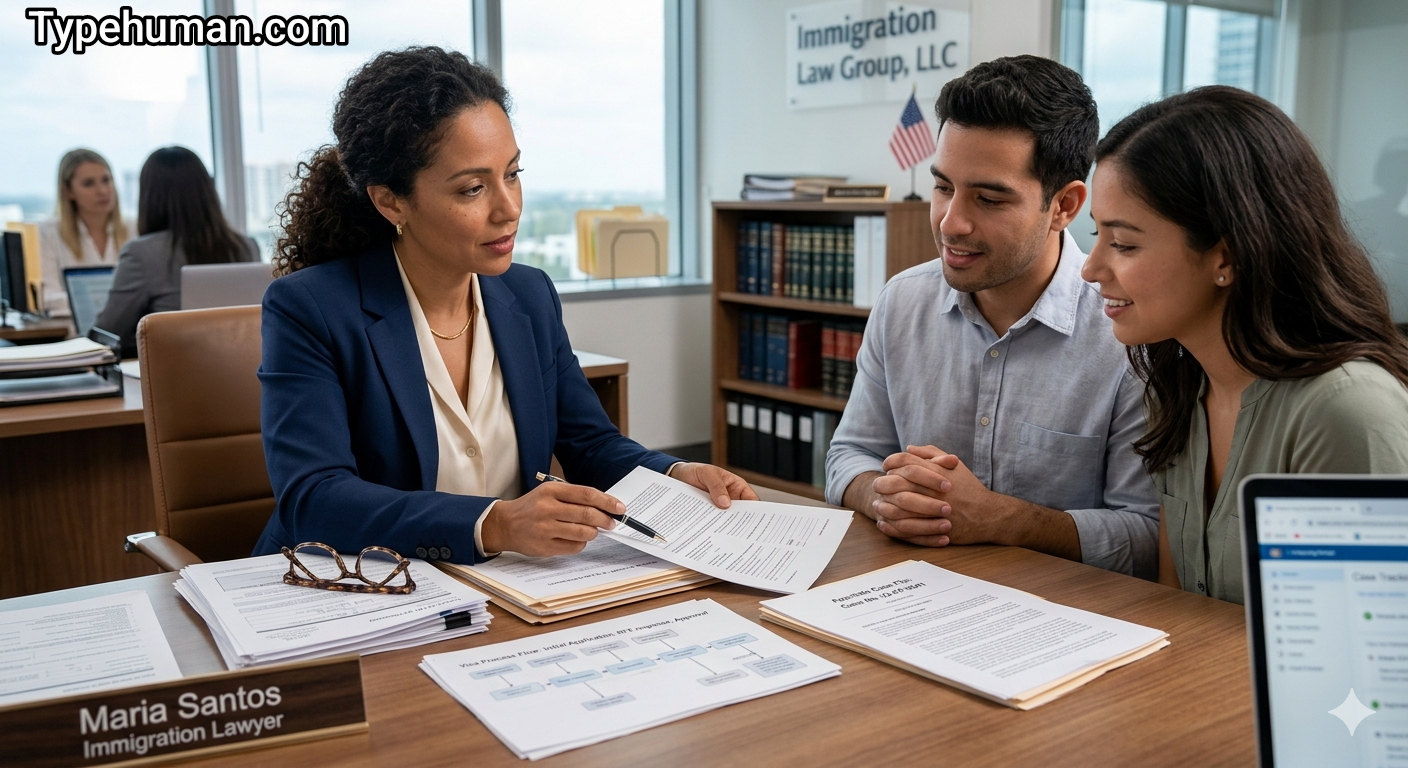
Immigrating to a new country is often an exciting step in someone’s life. People move for many reasons—career opportunities, education, family reunification, or simply the chance to start a new chapter in a different place. While the opportunities can be life-changing, the immigration process itself can sometimes feel complex and overwhelming.
Visa applications usually involve strict requirements, detailed documentation, and specific legal procedures. Even a small mistake in paperwork can delay an application or lead to rejection. Because of this, many individuals and families seek help from legal professionals who specialize in immigration matters.
Immigration lawyers play an important role in guiding applicants through these processes. Their experience can help individuals understand legal requirements, avoid common mistakes, and manage appeals if a visa application is refused.
Why Immigration Law Can Be Complicated
Immigration systems are designed to regulate who can enter, work, study, or live in a country. Governments create detailed policies to manage migration, protect national interests, and ensure that applicants meet eligibility requirements.
These rules are part of the broader framework of immigration law, which governs how people move between countries and what rights they may have once they arrive.
While the purpose of these laws is to maintain order and fairness, the legal requirements can sometimes be difficult for individuals to interpret on their own. Each visa category often has different eligibility criteria, deadlines, and documentation requirements.
For example, a student visa application may require proof of school enrollment, financial capacity, and health insurance. A skilled worker visa may require evidence of qualifications, employment offers, and work experience.
When applicants misunderstand these requirements or submit incomplete documents, their applications may be delayed or denied. This is where legal guidance becomes particularly valuable.
How Immigration Lawyers Help with Visa Applications
Immigration lawyers assist applicants by guiding them through the application process step by step. Their goal is to help ensure that applications are complete, accurate, and submitted correctly.
One of the first things they do is assess the applicant’s situation. This includes reviewing factors such as employment background, family connections, education, and long-term goals. Based on this information, they can recommend the most suitable visa pathway.
For instance, a skilled professional working in the technology sector might qualify for a skilled migration visa. A university student planning to study abroad may need a student visa that allows part-time employment while studying.
Once the appropriate visa category is identified, immigration lawyers help prepare the necessary documentation. This may include employment records, identification documents, financial statements, and official application forms.
Preparing these documents properly can make a significant difference. Immigration authorities often review hundreds or even thousands of applications, and incomplete submissions may delay processing or result in rejections.
Legal professionals also help applicants understand deadlines, government procedures, and interview requirements. By ensuring everything is prepared correctly, they help reduce uncertainty and stress throughout the process.
The Role of Lawyers in Visa Appeals
Even when applicants carefully prepare their paperwork, visa refusals can still happen. Applications may be rejected for various reasons, including missing information, eligibility concerns, or documentation errors.
When this occurs, applicants may have the option to appeal the decision.
Visa appeals allow applicants to present additional evidence or clarify details that may have been misunderstood during the original review. However, appeals often involve strict deadlines and formal legal procedures.
Immigration lawyers assist clients in determining whether an appeal is possible and likely to succeed. They review the reasons for the visa refusal and determine the best course of action.
For example, if an applicant’s financial documents were unclear, a lawyer may help provide additional proof to support the case. If the eligibility criteria were misunderstood, the lawyer may present legal arguments explaining why the applicant qualifies under the law.
The appeal process may involve submitting additional documentation, attending hearings, or presenting written arguments. Having legal guidance during this stage can help ensure that the applicant’s case is presented clearly and professionally.
Real-World Examples Across Different Situations
Immigration lawyers assist people from many different backgrounds and industries. Each case can be unique depending on the applicant’s personal and professional circumstances.
For example, a nurse seeking to work overseas may require help verifying professional credentials and obtaining the appropriate work visa. A technology entrepreneur starting a business abroad may need assistance navigating investor or business migration programs.
Families may also seek legal guidance when applying for partner or family visas. These applications often require detailed proof of relationships and shared responsibilities.
Students are another group that frequently relies on immigration lawyers. International education programs often involve visa rules related to enrollment, working hours, and travel restrictions. Legal advice helps students understand their rights and responsibilities while studying abroad.
Professionals who want to explore immigration assistance may review resources such as jamesonlaw.com.au/immigration-lawyer to better understand the legal guidance available for visa applications and appeals.
In each of these situations, legal professionals help applicants understand the process and prepare their cases carefully.
Avoiding Common Immigration Mistakes
One of the most valuable aspects of working with immigration lawyers is preventing common mistakes that can affect applications.
Many visa refusals result from small but important errors. These might include incomplete forms, missing documents, incorrect visa categories, or misunderstandings about eligibility requirements.
For example, someone applying for a work visa might accidentally submit outdated employment records. Another applicant may misunderstand the language requirements needed for a student visa.
Immigration lawyers help applicants identify these issues before submitting their applications. By reviewing documentation carefully and ensuring that everything meets official guidelines, they help reduce the risk of rejection.
This kind of preparation is similar to how accountants help businesses file taxes correctly or how architects guide clients through building regulations. Specialized expertise helps ensure that processes are handled properly from the beginning.
Supporting Long-Term Immigration Goals
Beyond individual visa applications, immigration lawyers also help people plan their long-term migration goals.
Some applicants begin with temporary visas but eventually seek permanent residency or citizenship. Understanding these pathways early can help individuals make informed decisions about work, education, and residency options.
For example, someone entering a country on a temporary work visa may later qualify for permanent residency through employer sponsorship or skilled migration programs. Legal professionals help explain these possibilities and guide applicants through the steps required to reach their goals.
Businesses also rely on immigration lawyers when hiring international employees. Companies that operate globally often need to relocate skilled workers across borders. Legal guidance helps ensure that both the employer and employee comply with immigration regulations.
Final Thoughts
Immigration can open doors to new opportunities, careers, and life experiences. However, the legal processes involved in visa applications and appeals can be complicated without proper guidance.
Immigration lawyers play an important role in helping individuals understand these systems and navigate them successfully. From preparing visa applications to handling appeals and planning long-term migration strategies, their expertise helps simplify what might otherwise be a stressful process.
Whether someone is pursuing education, employment, family reunification, or new business opportunities abroad, professional legal support can provide clarity and confidence along the way.
By understanding the role of immigration lawyers and how they assist applicants, individuals can approach the immigration journey better prepared and with a clearer path forward.
 apexbacklinksagency@gmail.com
  prime star