

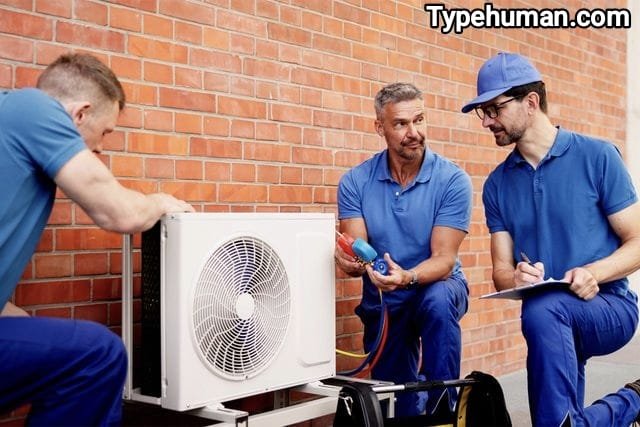
A well-functioning heating, ventilation, and air conditioning system is essential for maintaining a comfortable, healthy, and energy-efficient indoor environment says Real Management Peace. The performance of such systems, however, is largely dependent on the expertise of the professionals handling their installation, maintenance, and repair. Choosing the right HVAC contractor ensures that every component of your system operates efficiently, providing long-term reliability and peace of mind.
Understanding the Role of an HVAC Contractor
An HVAC contractor is a trained professional responsible for the comprehensive management of heating, ventilation, and air conditioning systems. Their duties go beyond mere installation; they are responsible for ensuring the system’s efficiency, safety, and compliance with industry standards. From advising on system selection and performing precise installations to conducting regular maintenance and troubleshooting repairs, a professional HVAC contractor ensures optimal performance throughout the life of the system.
Proper installation is one of the most critical responsibilities of an HVAC contractor. Missteps during installation, such as improper refrigerant charging, incorrect airflow adjustments, or faulty ductwork connections, can severely compromise system performance. A qualified contractor follows detailed manufacturer guidelines, applies technical expertise, and uses specialized tools to guarantee that the system operates at its intended capacity.
Choosing the Right HVAC Contractor
Selecting an HVAC contractor requires thoughtful consideration and research. Credentials and certifications are the first indicators of professionalism. Contractors should hold valid state licenses and certifications from recognized industry organizations. These credentials demonstrate a verified level of knowledge and adherence to professional standards. Additionally, confirming that a contractor carries proper insurance protects both the property owner and the contractor from potential liabilities during installation or repair work.
Experience plays a critical role in choosing a reliable HVAC contractor. Professionals with years of hands-on experience handling a wide range of systems are better equipped to anticipate potential challenges, implement effective solutions, and deliver consistent results. Checking customer reviews, requesting references, and evaluating testimonials provides insight into a contractor’s reliability, quality of work, and professionalism. A careful selection process ensures that the system is in capable hands, minimizing risks and unnecessary expenses.
The HVAC Installation Process
Installation of an HVAC system is a complex procedure that requires meticulous planning and execution. Initially, the HVAC contractor assesses the property to determine the ideal system size and type. Factors such as square footage, insulation, ceiling height, and airflow patterns affect system selection. Installing an undersized system can result in inadequate temperature control, while an oversized system may lead to frequent cycling and higher energy costs.
Once the system is selected, the contractor begins the installation process by connecting all components, including furnaces, air handlers, condensers, ductwork, and thermostats. Proper installation ensures that electrical connections are correctly configured, refrigerant levels are optimized, and airflow is properly balanced. Additionally, the contractor will conduct testing and calibration to verify that the system functions efficiently and delivers consistent comfort throughout the space. Every step is critical in preventing future breakdowns and ensuring the longevity of the HVAC system.
Maintenance and Repairs
Maintenance is a vital aspect of keeping an HVAC system in top condition. Regular maintenance performed by a professional HVAC contractor includes cleaning or replacing filters, checking refrigerant levels, inspecting electrical connections, lubricating moving parts, and verifying thermostat functionality. Scheduled maintenance enhances system efficiency, reduces energy consumption, and extends the operational life of equipment.
Repairs are inevitable for any HVAC system, but timely intervention by a skilled contractor can prevent minor issues from escalating into costly problems. Common repairs include refrigerant leaks, compressor failures, electrical malfunctions, and airflow restrictions. Prompt attention ensures minimal disruption, protects system components, and maintains indoor comfort. Having a dependable HVAC contractor available for emergencies provides peace of mind, especially during extreme weather conditions.
Energy Efficiency and Sustainability
Modern HVAC systems are designed to be energy-efficient, and a knowledgeable contractor plays a key role in maximizing these benefits. By installing high-efficiency compressors, variable-speed motors, and programmable thermostats, an HVAC contractor helps reduce energy consumption while maintaining optimal comfort. Proper installation, calibration, and maintenance ensure that these energy-saving features perform at their peak.
Sustainable HVAC practices also include the use of eco-friendly refrigerants, improving duct insulation, and incorporating smart system controls. A professional contractor can advise on upgrades and techniques that improve efficiency and reduce environmental impact. By integrating these strategies, property owners can achieve a balance between comfort, energy conservation, and environmental responsibility.
Safety Considerations
Safety is paramount when dealing with heating and cooling systems. Improper installation or neglecting maintenance can create hazards such as electrical faults, carbon monoxide leaks, or fire risks. A professional HVAC contractor follows strict safety protocols, conducts thorough inspections, and ensures compliance with building codes and safety regulations. This diligence protects occupants and property while reducing liability concerns.
Furthermore, a skilled contractor educates clients on safe system operation, emergency procedures, and routine maintenance. Awareness of potential hazards enhances confidence in system reliability and helps prevent accidents caused by misuse or neglect.
Cost Considerations and Value
Hiring a qualified HVAC contractor may require a higher initial investment, but it delivers substantial long-term benefits. Proper installation reduces energy costs, minimizes frequent repairs, and prolongs equipment lifespan. Conversely, attempting to save money by hiring an inexperienced technician can result in inefficient performance, higher utility bills, and the need for premature replacements.
A reputable HVAC contractor provides clear, transparent pricing and detailed estimates. Understanding the scope of work, labor costs, required materials, and potential upgrades allows clients to make informed decisions and avoid unexpected expenses. Investing in professional expertise ensures reliable system performance and reduces the likelihood of costly mistakes.
Advantages of Professional Expertise
Engaging a licensed HVAC contractor offers several key advantages. Professional contractors ensure that systems are correctly sized, installed, and maintained according to manufacturer specifications. They can recommend energy-efficient upgrades, identify problems early, and provide customized maintenance plans. Their technical skill and familiarity with local building codes guarantee that installations and repairs comply with regulations, minimizing liability concerns.
Additionally, professional HVAC contractors can provide guidance on system optimization, energy savings, and long-term maintenance planning. This holistic approach enhances comfort, efficiency, and reliability, making their expertise invaluable for homeowners and businesses alike.
Conclusion
A heating, ventilation, and air conditioning system is a vital investment that affects comfort, energy efficiency, and indoor air quality. Ensuring that the system operates reliably requires the skill and knowledge of a professional HVAC contractor. From proper installation to regular maintenance and timely repairs, a qualified contractor ensures long-lasting performance, efficiency, and safety.
Selecting a licensed, experienced, and reputable HVAC contractor provides peace of mind and protects your investment. Their expertise guarantees that systems perform optimally, minimize energy costs, and maintain indoor comfort. By prioritizing professional installation and maintenance, property owners can enjoy efficient and reliable HVAC systems for years to come.