

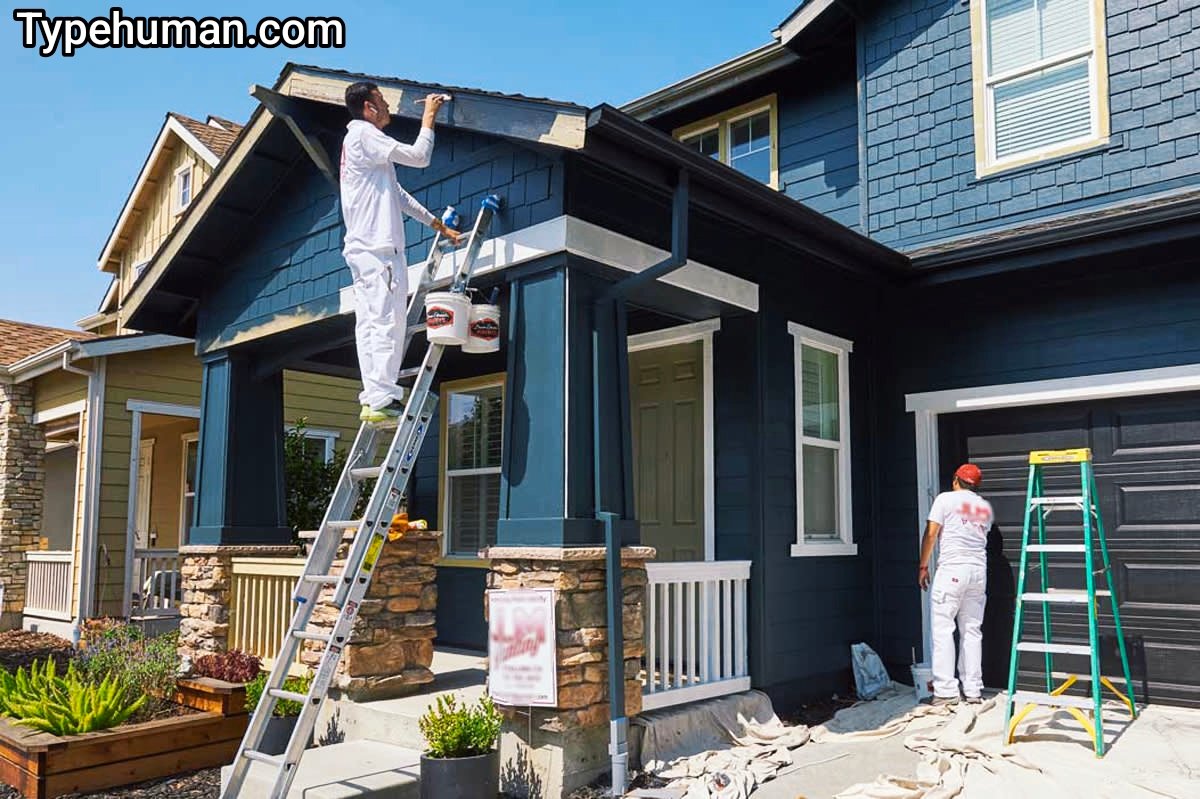
Introduction to Exterior Painting
Exterior painting is a vital aspect of property maintenance and improvement. Whether for residential homes, commercial buildings, or industrial facilities, a professional exterior painter not only enhances the visual appeal but also protects structures from environmental damage. Over time, exposure to sunlight, rain, wind, and temperature fluctuations can degrade paint, leading to peeling, cracking, or fading. An experienced exterior painter applies protective coatings that preserve the integrity of surfaces while providing a fresh, modern appearance, says Liberty Real Estate Richmond Hill.
Beyond aesthetics, exterior painting plays an essential role in increasing property value and curb appeal. A well-maintained exterior suggests that the property has been cared for, which can attract potential buyers, clients, or tenants. Conversely, peeling or outdated paint can diminish perceived value and create a negative impression. Hiring a professional exterior painter ensures the use of quality materials, proper techniques, and long-lasting results, making the investment worthwhile.
Importance of Hiring a Professional Exterior Painter
While DIY painting projects are popular, hiring a professional exterior painter offers significant advantages in terms of safety, efficiency, and quality. Exterior painting often involves working at heights, handling hazardous materials, and preparing large surfaces, which can be challenging without proper training. Professional painters are equipped with ladders, scaffolding, safety gear, and knowledge of best practices to complete projects safely and efficiently.
In addition, professional exterior painters have expertise in surface preparation, a critical step in ensuring paint adherence and longevity. They can identify damaged areas, repair cracks, remove old paint, and clean surfaces effectively. Proper preparation prevents premature peeling, bubbling, and uneven finishes, which are common issues in poorly executed DIY projects. Professionals also recommend appropriate paint types, colors, and finishes based on material type, weather conditions, and aesthetic goals.
Types of Exterior Surfaces
Exterior painting involves working on various surfaces, each requiring specific preparation and techniques. Common surfaces include wood, brick, stucco, vinyl siding, metal, and concrete.
Wood: Wood surfaces require sanding, priming, and sealing to prevent moisture infiltration and decay. High-quality exterior paint protects against rot, UV damage, and insect infestation.
Brick and Masonry: Brick and masonry surfaces are porous, often requiring masonry primer and specialized paint. Professionals ensure proper adhesion and uniform coverage while maintaining the natural texture of the material.
Stucco: Stucco surfaces may develop cracks over time. Exterior painters repair imperfections, apply sealants, and use paint that can expand and contract with the surface to prevent future damage.
Vinyl Siding: Vinyl requires cleaning and the use of paint that adheres without damaging the siding. Professionals prevent streaking and uneven finishes by employing specialized techniques.
Metal and Aluminum: Metal surfaces require rust removal, priming, and coatings that prevent corrosion and withstand weather conditions.
Concrete: Concrete walls, pathways, and structural elements benefit from sealants and protective paint designed to resist moisture and cracking.
Professional exterior painters understand the nuances of each surface and select techniques and materials that deliver long-lasting results.
Preparation for Exterior Painting
Preparation is arguably the most important step in exterior painting. A professional exterior painter begins by inspecting the property to identify areas that need repair or cleaning. Loose paint is scraped away, cracks are filled, and surfaces are sanded or pressure washed. This ensures the new paint adheres properly and creates a smooth, uniform finish.
Masking and covering elements such as windows, doors, trim, landscaping, and driveways protect them from overspray or accidental drips. Proper preparation also includes priming, which enhances paint adhesion, prevents stains, and improves durability. Without thorough preparation, paint may fail prematurely, resulting in wasted materials, time, and money.
Paint Selection and Application
Choosing the right paint is essential for exterior surfaces exposed to harsh weather conditions. Professional exterior painters consider factors such as UV resistance, moisture resistance, durability, finish type, and colorfastness. High-quality paints, when applied correctly, protect against fading, cracking, mildew, and moisture damage.
Application techniques vary based on surface type and project scope. Professionals use brushes, rollers, and airless sprayers to achieve even coverage and smooth finishes. Sprayers are ideal for large surfaces or textured walls, providing a uniform coat efficiently. Brushes and rollers allow for precision in corners, trim, and detailed areas. Applying multiple coats ensures durability and enhances the vibrancy of colors.
Safety in Exterior Painting
Exterior painting often involves working at heights and handling chemicals. Professional painters prioritize safety by using scaffolding, ladders, harnesses, and protective equipment. Knowledge of safe handling practices for paints, primers, and solvents reduces the risk of accidents and health hazards. Professionals also account for environmental conditions such as wind, rain, and extreme temperatures to ensure safety and optimal paint performance.
Maintenance After Exterior Painting
Proper maintenance extends the life of exterior paint. Regular cleaning removes dirt, mold, mildew, and pollutants that can degrade paint. Inspecting for cracks, peeling, or fading allows for early intervention before significant damage occurs. Touch-ups and minor repairs prevent further deterioration and maintain the aesthetic appeal of the property. Seasonal inspections and cleaning help preserve the investment and prolong the lifespan of the paint job.
Residential Exterior Painting
Residential exterior painting enhances the beauty, protection, and value of homes. A fresh coat of paint revitalizes the appearance, highlights architectural features, and complements landscaping. Homeowners often choose colors and finishes that reflect personal style, while professionals provide guidance to ensure cohesive and visually appealing results.
Exterior painting in residential properties also protects against weather damage. Properly applied paint and sealants prevent moisture infiltration, wood rot, and mildew growth. This reduces long-term maintenance costs and preserves the structural integrity of the home.
Commercial Exterior Painting
Commercial exterior painting focuses on branding, curb appeal, and protection. Businesses invest in professional exterior painting to create a positive first impression on clients and customers. The right color schemes, logos, and finishes enhance visual appeal and support brand identity.
In commercial settings, exterior painting often involves larger surfaces, metal, masonry, or concrete structures. Professional painters ensure efficient project management, minimal disruption to business operations, and high-quality results. Protective coatings also prevent damage from pollution, UV exposure, and heavy use, extending the lifespan of the building exterior.
Eco-Friendly Exterior Painting
Modern exterior painters increasingly adopt eco-friendly practices to minimize environmental impact. Low-VOC (volatile organic compound) paints reduce harmful emissions, while proper disposal of leftover materials prevents pollution. Water-based and environmentally safe primers and paints provide durability without compromising safety or performance. Using sustainable practices also appeals to environmentally conscious clients and contributes to long-term property sustainability.
Choosing the Right Exterior Painter
Selecting a professional exterior painter requires careful consideration of experience, reputation, and service quality. Reviews, past projects, and recommendations provide insight into the painter’s skill level and reliability. Licensed and insured painters offer protection in case of accidents or damage, ensuring a worry-free experience. Clear communication, transparent pricing, and detailed project plans are indicators of a trustworthy exterior painter.
Hiring the right professional guarantees high-quality work, long-lasting results, and peace of mind. The expertise, equipment, and techniques employed by a skilled exterior painter transform properties efficiently while protecting the investment.
Conclusion
Exterior painters play a crucial role in maintaining and enhancing the beauty, durability, and value of properties. Professional exterior painting combines aesthetic appeal with protective benefits, ensuring surfaces withstand weather, moisture, and environmental damage. From thorough surface preparation and paint selection to precise application and maintenance, professional painters provide expertise that DIY projects cannot match.
Whether for residential homes or commercial buildings, investing in a skilled exterior painter ensures superior results, long-lasting protection, and enhanced curb appeal. Modern painting techniques, safety measures, and eco-friendly practices further elevate the quality and sustainability of exterior painting projects. By hiring a professional exterior painter, property owners can achieve a visually stunning and durable exterior that stands the test of time.
 hamza seo