

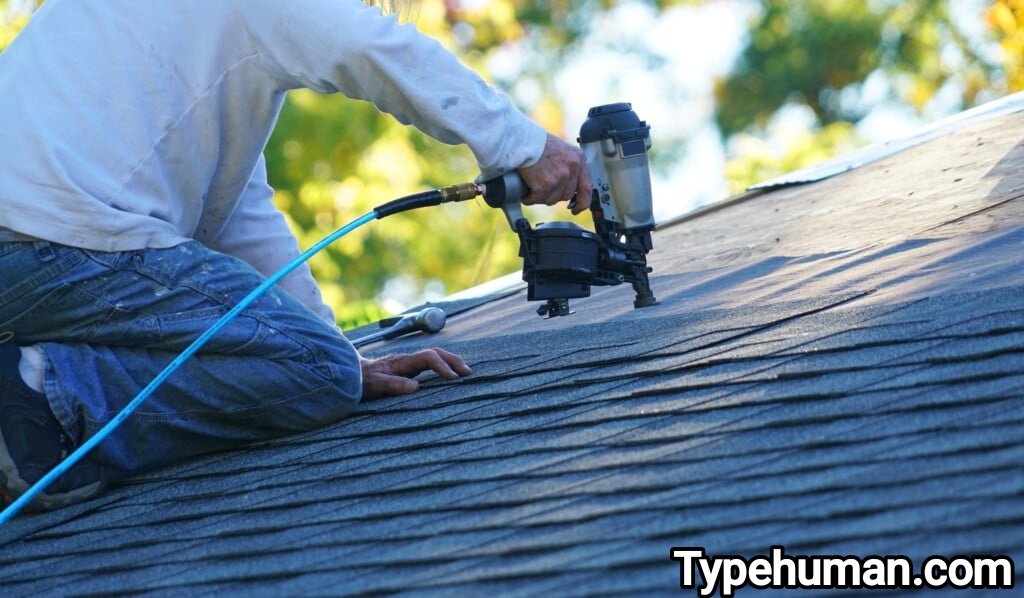
A strong, well-maintained roof is essential for the safety, comfort, and value of any home. Roof damage can occur gradually over time due to exposure to weather, aging materials, or improper installation, but even minor issues can lead to costly repairs if ignored. Roof repair is not only about fixing leaks; it involves inspecting structural integrity, addressing potential hazards, and implementing long-term solutions that protect the home from water damage, pests, and energy loss, explains American Heritage Properties specialists.
Understanding the different aspects of roof repair, including common problems, repair methods, material options, costs, and maintenance, allows homeowners to make informed decisions. Proper attention to these factors can extend the life of the roof, reduce repair expenses, and maintain the safety and comfort of the household.
The Importance of Roof Repair
The roof is the first line of defense against natural elements such as rain, snow, wind, and sunlight. A damaged or deteriorating roof compromises this protection, potentially leading to water infiltration, mold growth, structural damage, and even compromised indoor air quality. Timely roof repair ensures that minor issues do not escalate into significant problems that require full roof replacement. Additionally, maintaining the roof preserves the home’s insulation efficiency, which can reduce energy costs and improve overall comfort.
Regular roof inspections are essential, especially after severe weather events. These inspections allow homeowners to identify damage early, including loose shingles, cracked flashing, clogged gutters, or water stains on ceilings. By addressing problems promptly, homeowners can avoid emergency repairs and preserve the overall lifespan of the roof.
Common Roof Problems That Require Repair
Several common issues can necessitate roof repair. One of the most frequent problems is missing or damaged shingles, often caused by high winds, hail, or aging materials. Damaged shingles can expose underlying layers to water infiltration, leading to leaks and rot. Another common concern is damaged flashing, which seals roof joints around chimneys, vents, and skylights. Faulty flashing can cause persistent leaks even if the shingles themselves are intact.
Roof leaks are a critical issue requiring immediate attention. They often manifest as water stains on ceilings or walls and can result from cracked shingles, punctures, or degraded underlayment. Poor attic ventilation or clogged gutters can exacerbate damage, leading to mold growth and wood rot. Identifying the source of a leak promptly is crucial, as untreated leaks can compromise structural integrity and necessitate more extensive repairs.
Other issues include sagging roof sections, caused by water accumulation or structural weakness, and granule loss in asphalt shingles, which diminishes protection against UV damage. Each of these problems has specific repair methods, making professional evaluation highly recommended.
Roof Repair Methods and Techniques
Roof repair techniques vary depending on the type of roof, the extent of damage, and the materials used. For minor issues such as small leaks or individual shingle damage, spot repairs may be sufficient. This involves replacing damaged shingles, sealing cracks, or reapplying roofing cement in affected areas. For more extensive damage, partial or full roof repairs may be necessary to ensure long-term performance.
Flat roofs, common in commercial and some residential buildings, often require specialized repair methods. Water pooling and membrane damage are typical concerns, addressed through patching, resealing seams, or replacing sections of the membrane. Proper installation and maintenance of drainage systems are also essential to prevent recurring issues.
For metal roofs, repair involves addressing corrosion, loose fasteners, or damaged panels. While metal roofs are durable and long-lasting, neglecting small issues can lead to leaks and structural deterioration. Wood shake or slate roofs require careful handling to replace broken or warped pieces without compromising the surrounding material.
Choosing the Right Materials for Roof Repair
Selecting appropriate materials is critical for effective roof repair and long-term durability. Asphalt shingles are among the most common residential roofing materials, valued for affordability and ease of replacement. High-quality asphalt shingles offer improved weather resistance and extended lifespan. For homeowners with metal, tile, or slate roofs, matching the material during repairs ensures consistency in appearance and performance.
Roofing underlayment, sealants, and flashing materials also play a significant role in repair success. Using premium-quality underlayment and waterproof sealants prevents water infiltration, while durable flashing protects joints and edges. Investing in quality materials during repairs reduces the likelihood of repeated issues and helps maintain warranty coverage.
Costs Associated with Roof Repair
The cost of roof repair varies depending on the severity of the damage, the materials required, the size of the roof, and labor charges. Minor repairs, such as replacing a few shingles or sealing small leaks, may be relatively inexpensive. However, more extensive repairs involving structural reinforcement, underlayment replacement, or large sections of roofing materials can be significantly more costly.
Homeowners should also consider indirect costs, such as potential water damage to interiors, temporary relocation if extensive work is needed, and maintenance expenses for extending roof life after repairs. Obtaining multiple estimates from reputable roofing contractors ensures fair pricing and helps homeowners understand the scope of necessary work.
DIY vs. Professional Roof Repair
While some minor roof repairs can be performed by skilled homeowners, most repairs require professional expertise. Roof repair in los gatos involves working at heights, handling specialized tools, and assessing structural integrity all of which carry safety risks. Additionally, improper repairs can exacerbate damage and void warranties.
Hiring licensed, experienced roofing contractors ensures that repairs are executed correctly, meet building codes, and provide lasting results. Professional evaluation is particularly important for identifying hidden damage that may not be visible from a simple visual inspection, such as water damage beneath shingles or compromised structural supports.
Preventive Maintenance to Reduce Future Repairs
Regular maintenance is key to reducing the need for roof repairs and extending the lifespan of any roofing system. Homeowners should schedule annual inspections, particularly after severe weather, to check for loose shingles, blocked gutters, damaged flashing, or signs of water infiltration. Cleaning debris from gutters and ensuring proper drainage prevents water accumulation and reduces pressure on roof structures.
Additionally, trimming overhanging tree branches prevents physical damage to roofing materials and reduces debris accumulation. Monitoring attic ventilation and insulation helps prevent ice dams in colder climates and reduces moisture buildup, which can cause long-term structural issues.
Enhancing Roof Longevity Through Timely Repairs
Timely roof repair not only addresses immediate damage but also contributes to the long-term performance and durability of the roof. Minor repairs performed promptly prevent problems from escalating into major structural damage. Maintaining a detailed record of repairs, inspections, and maintenance activities ensures that homeowners are aware of the roof’s condition and can plan future upgrades effectively.
Regular upkeep and timely repairs can extend a roof’s life by several years, protect the home’s interior from damage, and improve energy efficiency. A well-maintained roof also contributes to the overall curb appeal and resale value of a property, making it a vital investment for homeowners.
Conclusion
Roof repair is an essential aspect of home maintenance, combining preventive care, timely intervention, and professional expertise to ensure a safe and durable shelter. Understanding common roofing problems, repair techniques, material selection, costs, and maintenance practices empowers homeowners to make informed decisions that protect their property and extend the life of the roof. By addressing issues early, investing in quality materials, and employing skilled professionals when necessary, homeowners can maintain the integrity, safety, and appearance of their roofs for years to come. A well-repaired roof provides peace of mind, protects the home from environmental elements, and represents a valuable long-term investment.
 hamza seo