

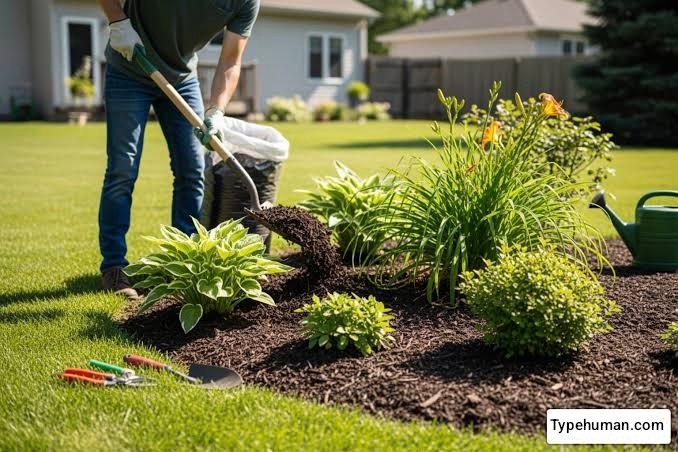
Landscaping is more than planting trees and flowers; it’s about creating an environment that is both aesthetically pleasing and environmentally sustainable. One of the most effective ways to improve the health, appearance, and longevity of your garden or yard is through a proper mulch install. Mulch serves multiple purposes: it retains soil moisture, suppresses weeds, moderates soil temperature, and adds a finished look to garden beds and landscape areas, explains Mark Thomas Properties Cary team. Understanding the best practices for mulch installation, the types of mulch available, and the benefits of proper application can dramatically improve your outdoor spaces while reducing maintenance efforts.
Whether you are a homeowner looking to enhance your garden or a professional landscaper planning a large project, a carefully executed mulch install is essential. While it may seem simple to spread material around plants, achieving optimal results requires knowledge about soil conditions, plant types, and mulch characteristics. This comprehensive guide explores everything from the benefits of mulch to step-by-step installation techniques, helping you create landscapes that are both beautiful and functional.
Why Mulch Installation is Important
A well-executed mulch install does more than improve the visual appeal of a yard. Mulch plays a critical role in protecting plants, conserving water, and maintaining soil health. By covering the soil surface, mulch reduces water evaporation, allowing the roots to retain moisture for longer periods. This is particularly important in hot or dry climates where plants are prone to stress. Additionally, mulch acts as a natural barrier, suppressing the growth of weeds that compete for nutrients and sunlight.
Beyond functional benefits, mulch installation enhances soil quality. Organic mulches, such as wood chips, bark, or compost, break down over time, adding nutrients and improving soil structure. This process promotes healthy root development, better drainage, and a balanced ecosystem in garden beds. A proper mulch install also protects soil from erosion during heavy rain or wind, preventing nutrient loss and maintaining the integrity of your landscaping design.
Types of Mulch for Installation
Choosing the right type of mulch is a crucial step in any mulch install project. Different mulch materials offer distinct benefits and are suitable for various landscaping goals. Some of the most common types include:
- Organic Mulch – Organic materials, including wood chips, bark, pine straw, leaves, and compost, improve soil fertility as they decompose. They are ideal for flower beds, vegetable gardens, and ornamental landscaping, adding a natural look and enriching soil nutrients.
- Inorganic Mulch – Materials like gravel, stones, rubber, or landscape fabric provide long-lasting coverage without decomposition. They are useful for areas where minimal maintenance is desired, such as pathways, driveways, or decorative beds, and are especially effective in preventing erosion.
- Shredded vs. Chunk Mulch – Shredded mulch breaks down more quickly and integrates with the soil faster, offering rapid nutrient benefits. Chunk or bark mulch provides long-term coverage, slows decomposition, and maintains a uniform appearance for longer periods.
- Colored Mulch – Dyed wood or rubber mulch adds visual appeal to landscaping. While aesthetic benefits are clear, it is important to ensure dyes are non-toxic and safe for plants, pets, and the environment.
Understanding the purpose of each type and matching it with the specific needs of your plants and landscape is key to a successful mulch installation.
Preparing for a Successful Mulch Install
Preparation is often the most critical step in a mulch installation. Before spreading any material, it is essential to prepare the garden beds or landscape areas correctly. Start by clearing the area of weeds, grass, rocks, and debris. This step ensures that the mulch can sit directly on the soil, maximizing its effectiveness in suppressing weed growth.
Next, assess the soil condition. Aerating compacted soil allows better water penetration and root growth. Adding compost or soil amendments may be necessary for nutrient-deficient areas. Proper bed preparation creates an ideal foundation for a mulch install, ensuring the material contributes to plant health rather than simply serving as decorative cover.
Finally, determine the appropriate depth of mulch. Most landscaping experts recommend applying mulch between two and four inches deep. Too little mulch may not effectively control weeds or conserve moisture, while too much can suffocate plant roots, retain excessive moisture, or attract pests. Measuring and spreading mulch evenly during installation is vital to achieving long-term benefits.
Step-by-Step Guide to Mulch Installation
A professional-looking mulch install requires attention to detail and a systematic approach. Here is a step-by-step process:
- Clear the Area – Remove all weeds, rocks, and debris from garden beds or landscape zones. Use a rake to smooth the soil surface.
- Edge the Beds – Creating clean, defined edges prevents mulch from spilling into unwanted areas, giving a polished appearance and reducing maintenance.
- Apply Landscape Fabric (Optional) – For areas with persistent weed problems, laying a breathable landscape fabric before mulching can provide an extra layer of protection while still allowing water and nutrients to reach plant roots.
- Spread Mulch Evenly – Using a rake or hands, distribute mulch evenly over the prepared soil. Maintain a consistent depth, generally 2–4 inches, and avoid piling mulch against the stems or trunks of plants to prevent rot and disease.
- Shape and Smooth – After spreading, shape the mulch slightly to create gentle slopes away from plants. Smooth the surface for a clean, professional look and ensure water runoff is directed appropriately.
- Water the Mulch – Lightly watering freshly installed mulch helps it settle and integrates it with the soil, enhancing its effectiveness.
- Maintain and Refresh – Mulch decomposes over time and may shift or compact. Regularly check the coverage, remove weeds, and replenish mulch as needed to maintain optimal depth and appearance.
By following these steps carefully, a mulch install can provide lasting benefits for plant health, soil conservation, and visual appeal.
Benefits of a Professional Mulch Install
While homeowners can perform a DIY mulch installation, hiring a professional offers significant advantages. Landscapers have expertise in selecting the right type of mulch for specific plants and soils, and they can ensure proper depth and even coverage. Professionals also provide equipment and manpower that make the process more efficient, particularly for large yards or commercial properties.
A professional mulch install in Maypearl reduces the risk of common mistakes such as uneven depth, mulch piling against plant bases, or inadequate bed preparation. By relying on experienced landscapers, property owners can achieve both functional and aesthetic goals, saving time while ensuring the longevity of their landscaping efforts.
Mulch Installation and Environmental Benefits
Mulch installation is not only beneficial for gardens and landscaping but also for the environment. Organic mulches reduce soil erosion by absorbing rainfall and slowing water runoff. As they decompose, they improve soil structure, enhance nutrient content, and support beneficial microorganisms. Mulch also helps reduce water consumption by conserving moisture, decreasing the need for frequent irrigation.
Additionally, by suppressing weeds naturally, mulch reduces the reliance on chemical herbicides, which can be harmful to the environment. Strategic mulch install practices contribute to sustainable landscaping, promoting a healthy ecosystem in residential, commercial, and public green spaces.
Common Mistakes to Avoid During Mulch Installation
Even a well-planned mulch installation can encounter issues if common mistakes are made. One frequent error is applying mulch too close to plant stems or tree trunks, which can lead to rot, fungal growth, and pest infestations. Another mistake is using an inappropriate type of mulch for the soil or plants, which can hinder growth rather than promote it.
Applying mulch too thickly can suffocate plant roots, retain excessive moisture, and create conditions favorable to insects and disease. On the other hand, applying too little mulch fails to provide the benefits of moisture retention, weed suppression, and temperature moderation. Careful planning, proper application, and periodic maintenance are essential to avoid these problems and achieve a successful mulch installation.
Maintaining Mulch for Long-Term Benefits
Once mulch is installed, regular maintenance ensures that its benefits persist. Check mulch depth periodically, especially after heavy rainfall, and redistribute or replenish as needed. Remove weeds promptly to prevent competition with plants, and occasionally aerate the mulch to maintain airflow and prevent compaction. Mulch that has decomposed significantly may need replacement to continue supporting soil health and plant growth effectively.
Mulch maintenance also includes seasonal considerations. In colder climates, adding fresh mulch before winter can protect roots from frost and temperature fluctuations. During hot seasons, proper mulch coverage prevents soil from drying too quickly and maintains plant health. By maintaining mulch strategically, property owners maximize the long-term impact of their initial mulch install.
Conclusion
A proper mulch install is a foundational element of successful landscaping. Beyond adding visual appeal, mulch supports plant health, conserves water, suppresses weeds, moderates soil temperature, and enhances soil fertility. By understanding the types of mulch available, preparing the landscape carefully, and following proper installation techniques, homeowners and landscapers can achieve a beautiful, functional, and sustainable outdoor space.
Professional mulch installation offers added advantages, including expert selection of materials, proper application, and reduced risk of common mistakes. Regular maintenance and seasonal adjustments ensure that the benefits of mulch persist over time, providing a long-lasting impact on both plant health and overall landscape aesthetics. Whether for residential gardens, commercial properties, or public green spaces, investing in a high-quality mulch install is a step toward creating thriving, resilient, and attractive outdoor environments.
 hamza seo