
Introduction to Furnace Repair
Furnace repair is an essential service for homeowners and property managers who rely on a consistent, safe, and efficient heating system during cold months says Streamline Management. A furnace is the heart of a home’s heating system, responsible for distributing warm air throughout living spaces. Over time, even well-maintained furnaces can develop issues such as ignition problems, airflow disruptions, or mechanical failures. Addressing these issues promptly is critical not only for comfort but also for safety, efficiency, and long-term system reliability.
Furnaces operate under significant mechanical and thermal stress, and their components—ranging from burners and heat exchangers to blowers and thermostats—require careful attention. Furnace repair is not merely a matter of fixing a malfunction; it involves diagnosing problems accurately, replacing or repairing components, and ensuring that the system runs efficiently while meeting safety standards. Understanding the importance, process, and benefits of furnace repair allows homeowners to make informed decisions and maintain a reliable heating system throughout the winter season.
Common Signs a Furnace Needs Repair
Identifying problems early can prevent costly breakdowns and reduce energy waste. One of the most noticeable signs of a malfunctioning furnace is uneven or insufficient heating. Rooms that fail to reach desired temperatures or experience inconsistent warmth often indicate airflow issues, blocked vents, or failing components.
Another warning sign is unusual noises during operation. Banging, rattling, or squealing sounds may suggest loose parts, worn bearings, or issues with the blower motor. Frequent cycling—where the furnace turns on and off repeatedly—is also a red flag, as it may indicate a thermostat problem, clogged filters, or a failing ignition system.
Other signs include increased energy bills without changes in usage, visible soot or discoloration around the furnace, strange odors such as burning or gas smells, and pilot light or ignition failure. Recognizing these symptoms early allows homeowners to schedule furnace repair before minor issues escalate into major problems or safety hazards.
Benefits of Timely Furnace Repair
Timely furnace repair offers multiple benefits that extend beyond simply restoring warmth. One of the most immediate advantages is improved safety. Furnaces involve combustion processes that, if malfunctioning, can pose risks of carbon monoxide leaks or fire hazards. Repairing damaged components ensures that the system operates safely and protects residents from potential dangers.
Efficiency is another key benefit. A properly functioning furnace consumes less energy to maintain desired temperatures, reducing utility bills and minimizing environmental impact. Furnace repair also prolongs the lifespan of the system by addressing wear and tear before it leads to irreversible damage. Additionally, a well-maintained furnace ensures consistent comfort, creating a warm, stable indoor environment during cold weather.
Common Furnace Problems
Furnaces are complex systems that can experience a variety of problems. Ignition or pilot light issues are among the most common, often caused by faulty thermocouples, gas valves, or igniters. Airflow problems, such as weak or uneven heating, may result from clogged filters, blocked ducts, or malfunctioning blowers.
Mechanical failures, including worn belts, motors, and bearings, can lead to unusual noises and reduced efficiency. Electrical issues, such as faulty wiring or malfunctioning control boards, may cause the furnace to fail to start or cycle improperly. Heat exchanger cracks, though less common, are serious and require immediate attention due to the risk of carbon monoxide leaks.
Understanding these common problems helps homeowners identify when furnace repair is necessary and communicate issues effectively to service professionals.
The Furnace Repair Process
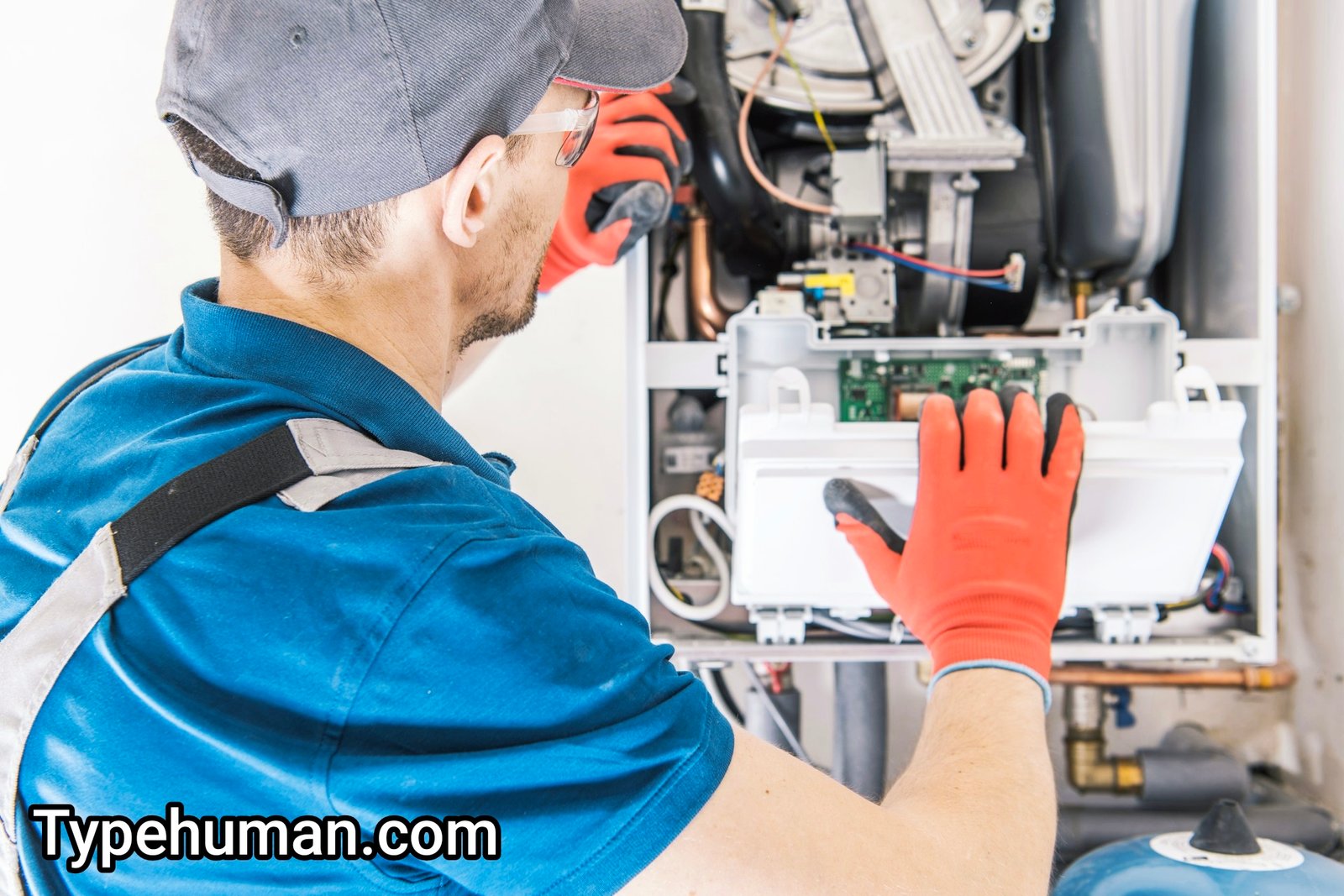
Professional furnace repair begins with a comprehensive inspection to identify the root cause of the problem. Technicians examine key components, including burners, heat exchangers, blowers, ductwork, electrical systems, and thermostats. Diagnostic tools may be used to measure airflow, combustion efficiency, and temperature performance.
Once the issue is identified, technicians determine whether repair or replacement of specific components is required. Minor repairs, such as replacing filters, belts, or ignition components, can often restore system performance quickly. More extensive repairs may involve repairing heat exchangers, blowers, or control boards. After repairs are completed, the furnace is tested to ensure safe, efficient, and reliable operation. Technicians may also provide maintenance tips to prevent future problems.
Safety Considerations in Furnace Repair
Safety is a critical consideration in furnace repair. Furnaces use combustion processes and high-temperature components, making them potentially hazardous if handled incorrectly. Carbon monoxide leaks, gas leaks, electrical hazards, and fire risks are all possible if a furnace is not repaired properly.
Professional furnace repair in Waxhaw technicians are trained to recognize and address these safety concerns. They use appropriate tools, follow safety protocols, and test the system thoroughly after repairs. Homeowners should never attempt to repair major furnace issues themselves, as this can lead to serious injury, property damage, or exposure to dangerous gases.
Energy Efficiency and Furnace Repair
Energy efficiency is a significant factor in furnace repair. Over time, wear and tear, clogged filters, and malfunctioning components reduce a furnace’s efficiency. Repairing these issues restores proper airflow, combustion, and heat distribution, lowering energy consumption and utility costs.
Efficiency improvements also reduce the environmental impact of heating, as less fuel is consumed to maintain desired temperatures. Regular maintenance and timely repairs complement energy-efficient upgrades, ensuring that the furnace performs optimally for years to come.
When to Consider Furnace Replacement
While furnace repair is often sufficient, there are situations where replacement may be the better long-term solution. Furnaces over 15 years old with frequent breakdowns, costly repairs, or significantly reduced efficiency may be more expensive to maintain than to replace.
Signs that replacement may be necessary include repeated component failures, persistent uneven heating, high energy bills despite repairs, and outdated systems that do not meet current efficiency standards. Consulting a professional technician can help homeowners weigh the benefits of repair versus replacement and make informed decisions.
Preventive Maintenance to Minimize Repairs
Preventive maintenance is the most effective strategy to reduce the need for furnace repair. Regular inspections, filter replacements, cleaning of burners and ducts, and lubrication of moving parts help prevent common issues. Seasonal maintenance ensures that the system operates safely and efficiently during peak usage periods.
Homeowners should schedule professional maintenance at least once a year, ideally before the heating season begins. This proactive approach extends the lifespan of the furnace, improves comfort, and reduces the likelihood of emergency repairs.
Choosing a Reliable Furnace Repair Service
Selecting a trustworthy furnace repair service is critical to ensuring quality work and long-term reliability. Professional technicians should be licensed, insured, and experienced in working with various furnace models and fuel types. Transparent pricing, prompt service, and clear communication are indicators of a reputable provider.
Customer reviews, recommendations, and service guarantees provide additional confidence in the provider’s reliability. A dependable furnace repair service not only addresses immediate issues but also provides guidance on maintenance, efficiency improvements, and safety precautions.
Cost Considerations for Furnace Repair
The cost of furnace repair depends on several factors, including the nature of the problem, the parts required, labor, and system complexity. Minor repairs such as filter replacement or thermostat adjustments are relatively inexpensive, while major repairs involving heat exchangers, blowers, or control boards can be more costly.
Homeowners should consider the total value of repair in comparison to potential replacement, especially for older systems. Investing in timely repairs can prevent emergency situations and prolong system life, offering better long-term value. Some service providers offer maintenance plans or warranties that further reduce overall costs.
Conclusion
Furnace repair is a crucial service that ensures safe, efficient, and reliable heating in residential and commercial spaces. Recognizing signs of malfunction, addressing issues promptly, and relying on professional technicians helps maintain comfort, reduce energy costs, and protect the home from potential hazards.
By combining timely repairs with preventive maintenance, homeowners can extend the lifespan of their furnaces, improve system efficiency, and enjoy consistent warmth throughout the winter season. Whether addressing minor malfunctions or major component failures, furnace repair remains an essential investment in the safety, comfort, and long-term value of any property.
 prime star