

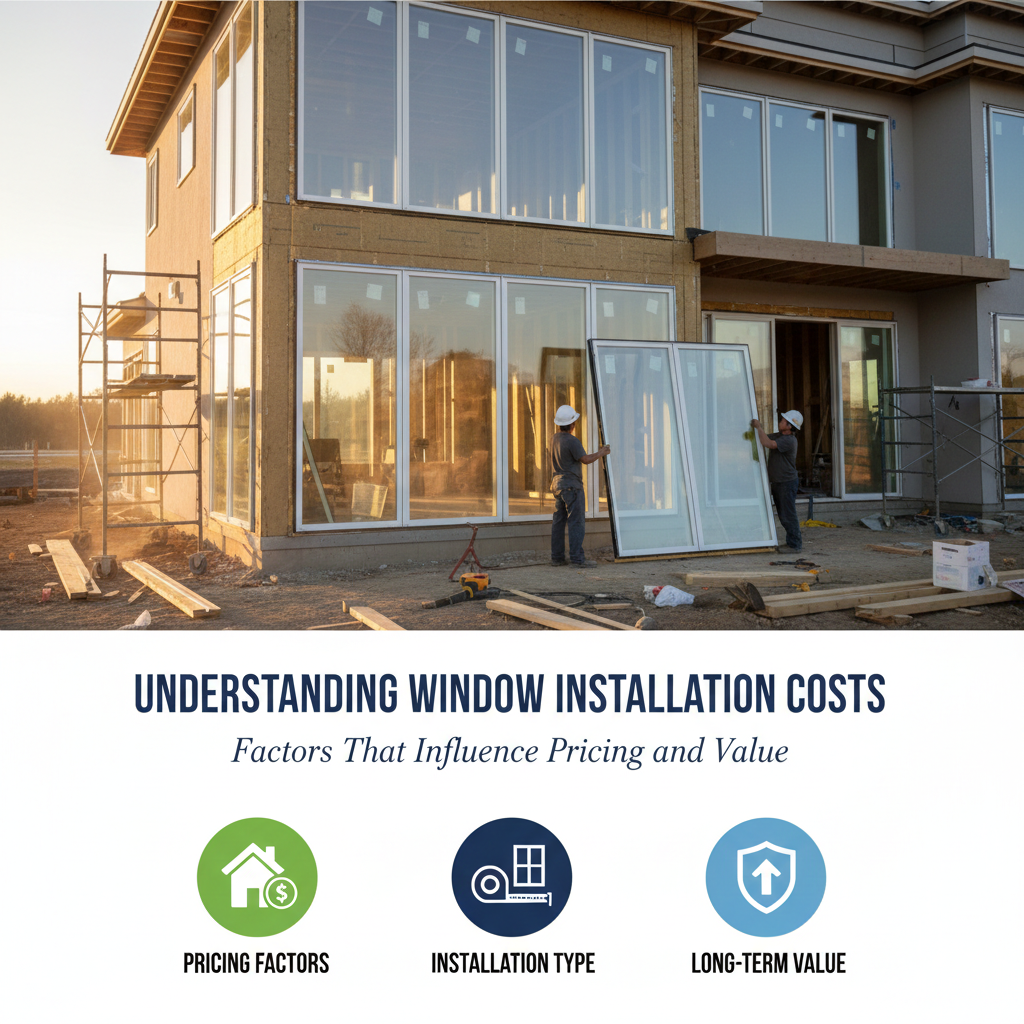
Window installation is a critical component of residential and commercial construction that directly impacts comfort, energy efficiency, aesthetics, and long-term property value. Windows are more than just openings for light and ventilation; they play a vital role in insulation, weather protection, noise reduction, and overall structural performance. Proper window installation ensures that a building remains protected from environmental elements while maintaining interior comfort throughout the year. When windows are installed incorrectly, even high-quality products can fail to perform as intended, leading to air leaks, water intrusion, higher energy costs, and premature deterioration, warns leading property management Davenport FL company, State Property Management.
Whether replacing old, inefficient windows or installing new ones in a construction project, understanding the window installation process helps property owners make informed decisions. From selecting the right window type to ensuring precise installation techniques, every step contributes to long-term durability and performance. Investing in professional window installation not only enhances visual appeal but also improves energy efficiency and protects the structural integrity of the building.
Importance of Proper Window Installation
Proper window installation is essential for ensuring that windows function efficiently and reliably over time. Even the most advanced window designs can underperform if installation standards are not met. Gaps, improper sealing, or incorrect alignment can allow air and moisture to penetrate the building envelope, resulting in drafts, water damage, mold growth, and increased heating or cooling costs.
Correct installation also ensures structural stability. Windows must be securely anchored to support their weight and withstand environmental forces such as wind, rain, and temperature fluctuations. Inadequate support or improper flashing can compromise the surrounding wall structure, leading to long-term damage that may require costly repairs. Professional window installation ensures compliance with building codes, manufacturer specifications, and industry best practices, providing peace of mind and lasting performance.
Types of Windows and Their Installation Considerations
Different window types require specific installation techniques based on design, function, and placement. Single-hung and double-hung windows are commonly used in residential applications and require precise leveling and sealing to ensure smooth operation. Casement and awning windows rely on proper hinge alignment and secure fastening to maintain airtight seals and ease of use.
Sliding windows require careful track alignment to prevent binding and ensure effortless movement, while fixed windows must be securely sealed to prevent leaks, as they do not open for ventilation. Bay and bow windows present additional challenges due to their size and structural requirements, often requiring reinforcement and careful integration with existing framing. Understanding these differences ensures that each window type performs optimally after installation.
Preparing for Window Installation
Preparation is a crucial phase of the window installation process that significantly influences the final outcome. The process begins with accurate measurements to ensure that the new windows fit precisely within the existing openings. Incorrect measurements can lead to gaps, misalignment, and compromised insulation. Inspecting the surrounding wall structure is equally important, as damaged framing, rot, or moisture issues must be addressed before installation begins.
Removing old windows requires care to avoid damaging the surrounding structure. Once the opening is exposed, it must be cleaned, leveled, and prepared with appropriate flashing materials to prevent water infiltration. Proper preparation ensures a solid foundation for the new windows and reduces the risk of future issues.
Window Installation Process
The window installation process involves several detailed steps designed to ensure durability, efficiency, and performance. After preparing the opening, the window is carefully positioned and checked for level, plumb, and square alignment. Proper alignment is essential for smooth operation and even weight distribution. Shims are used to secure the window in place while maintaining correct positioning.
Once aligned, the window is fastened according to manufacturer guidelines to ensure structural stability. Insulation is applied around the window frame to eliminate air gaps and improve thermal performance. High-quality sealants and flashing are then used to create a weather-resistant barrier that protects against moisture intrusion. Interior and exterior trim are installed to provide a finished appearance and additional protection.
Each step requires precision and attention to detail, as small errors can compromise performance and longevity. Professional installers follow strict installation protocols to ensure consistent results and long-term reliability.
Energy Efficiency and Window Installation
Energy efficiency is one of the primary reasons homeowners invest in new window installation. Properly installed windows significantly reduce heat transfer, helping maintain stable indoor temperatures and lower energy consumption. Insulated frames, low-emissivity glass, and airtight seals work together to minimize heat loss during colder months and reduce heat gain during warmer seasons.
Incorrect installation can negate these benefits by allowing air leaks and thermal bridging. Professional installation ensures that windows perform to their rated efficiency levels, maximizing energy savings and improving indoor comfort. Over time, improved energy efficiency can result in substantial cost savings on heating and cooling expenses.
Common Window Installation Mistakes to Avoid
Improper window installation can lead to a range of issues that affect performance and durability. One common mistake is failing to properly seal and insulate the window, which can result in drafts and moisture problems. Incorrect flashing installation can allow water to penetrate the wall system, leading to rot and mold growth.
Another frequent issue is improper alignment, which can cause windows to stick, become difficult to operate, or wear unevenly over time. Using incorrect fasteners or ignoring manufacturer instructions can compromise structural integrity and void warranties. Avoiding these mistakes requires experience, proper tools, and a thorough understanding of installation best practices.
Benefits of Professional Window Installation
Hiring professionals for window installation offers numerous advantages that extend beyond convenience. Experienced installers bring technical expertise, precision, and efficiency to the project, ensuring that windows are installed correctly the first time. Professional installation reduces the risk of future problems, enhances energy efficiency, and ensures compliance with building codes and manufacturer requirements.
Professionals also provide warranties on workmanship, offering additional protection and peace of mind. Their ability to identify and address underlying structural issues during installation helps prevent long-term damage and ensures that the investment delivers maximum value.
Maintenance After Window Installation
Proper maintenance following window installation in Bogota helps preserve performance and extend lifespan. Regular cleaning of frames, glass, and tracks prevents buildup that can affect operation. Inspecting seals and caulking periodically ensures continued protection against air and moisture infiltration. Addressing minor issues promptly prevents them from developing into costly repairs.
Well-maintained windows continue to enhance comfort, efficiency, and appearance for many years, making maintenance an essential part of long-term performance.
Impact of Window Installation on Property Value
Quality window installation can significantly increase property value by improving curb appeal, energy efficiency, and overall comfort. Modern windows enhance the visual appeal of a home while reducing energy costs, making the property more attractive to potential buyers. Buyers often view professionally installed windows as a sign of proper maintenance and quality construction, which can positively influence resale value.
Conclusion
Window installation is a vital investment that affects nearly every aspect of a building’s performance, from energy efficiency and comfort to durability and aesthetic appeal. Proper installation ensures that windows function as intended, providing protection from the elements while enhancing interior living conditions. By understanding the importance of preparation, correct techniques, and professional expertise, property owners can achieve long-lasting results that deliver both immediate and long-term benefits.
Choosing professional window installation ensures precision, compliance, and reliability, safeguarding the investment and improving the overall quality of the building. With proper installation and ongoing maintenance, windows remain a valuable asset that enhances comfort, efficiency, and property value for years to come.
 hamza seo