

Introduction: Understanding the Importance of Junk Removal in Modern Life
In contemporary society, the accumulation of unwanted items and debris in homes, offices, and commercial spaces has become a pervasive challenge due to the increasing rate of consumption and the convenience-oriented lifestyle that encourages the frequent replacement of products. This buildup of clutter over time does not merely create an aesthetic problem but can significantly affect physical safety, mental well-being, and overall productivity. The process of junk removal addresses these concerns by providing a structured and systematic approach to the disposal, recycling, and repurposing of items that no longer serve a practical function. Whether dealing with residential environments filled with outdated furniture, obsolete electronics, or excess clothing, or addressing commercial and industrial sites that produce vast quantities of waste during operations, junk removal services are essential in maintaining cleanliness, promoting organization, and ensuring safety in both private and professional spaces. The significance of junk removal extends beyond the immediate benefit of decluttering, encompassing environmental sustainability and public health, as improper disposal of materials can result in soil contamination, water pollution, and air quality issues, while also creating potential hazards such as fire risks, pest infestations, and physical injury from poorly stored or discarded objects.
The Growing Need for Junk Removal Services
The contemporary demand for junk removal has increased exponentially due to several interrelated factors, including the rapid turnover of consumer goods, the expansion of residential and commercial development, and the growing awareness of the environmental consequences of improper waste management. Individuals and organizations frequently encounter challenges when attempting to manage the accumulation of unwanted materials without professional assistance, as the process requires knowledge of recycling protocols, safe handling of potentially hazardous substances, and efficient logistical coordination to transport and dispose of bulky or heavy items. Professional junk removal services not only alleviate the physical burden associated with waste disposal but also ensure that materials are processed in a manner that aligns with environmental regulations and sustainability objectives. The psychological impact of clutter should not be underestimated, as studies have consistently demonstrated that disorganized and cluttered spaces can induce stress, reduce cognitive performance, and create feelings of anxiety and overwhelm, affecting both personal well-being and workplace efficiency. Therefore, junk removal services provide a holistic solution that addresses physical, environmental, and psychological challenges, enabling individuals and businesses to create spaces that are safer, more organized, and conducive to productivity.
Types of Junk Commonly Removed
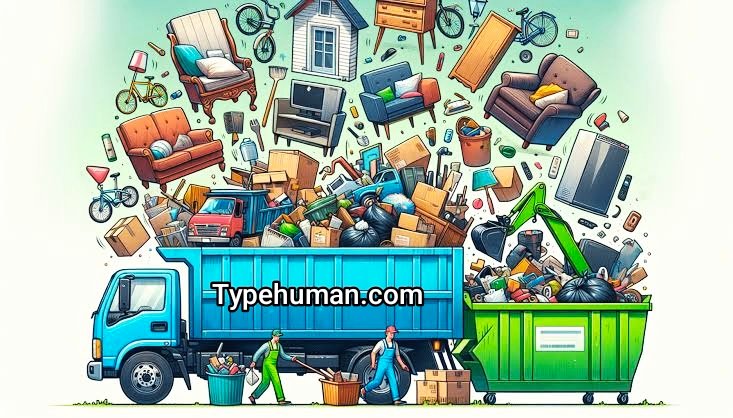
Junk removal encompasses a diverse array of items and materials, each requiring specific handling methods to ensure proper disposal or recycling. Household junk often includes furniture such as sofas, beds, and tables, alongside kitchen appliances, clothing, toys, and miscellaneous personal items that no longer serve a practical purpose. Electronic waste, or e-waste, represents another significant category and includes devices such as computers, televisions, printers, and smartphones, which contain components like batteries and circuit boards that can be harmful to the environment if not processed correctly. Construction and renovation projects generate substantial amounts of debris, including wood, concrete, drywall, bricks, tiles, metals, and other materials that must be segregated and disposed of responsibly to prevent environmental harm and comply with regulatory standards. Yard waste, including branches, leaves, grass clippings, and garden refuse, also requires appropriate collection and processing to maintain hygiene and prevent organic matter from contributing to environmental pollution. Additionally, commercial and industrial waste can encompass large volumes of packaging materials, office furniture, obsolete stock, and specialized machinery, which often require careful sorting, recycling, or donation to avoid excessive landfill use. The classification of these types of junk is essential for devising effective removal strategies, determining the equipment and manpower required, and ensuring adherence to environmental and safety regulations during the disposal process.
The Process of Junk Removal
The process of junk removal is systematic and involves several distinct stages to ensure thoroughness, safety, and environmental responsibility. Initially, professionals conduct an assessment and planning phase, evaluating the quantity, type, and location of the items to be removed in order to determine the necessary resources, equipment, and personnel, as well as to identify materials that may require special handling due to their hazardous nature. Following the assessment, the sorting and segregation stage involves categorizing items into reusable, recyclable, hazardous, and non-recyclable materials, maximizing the proportion of waste that can be diverted from landfills while minimizing environmental impact. Once sorting is complete, collection and transportation begin, involving the careful loading of items onto trucks or into containers designed to safely carry heavy or bulky objects to recycling facilities, donation centers, or approved disposal sites. The final phase, disposal and recycling, ensures that items are processed according to established protocols, with recyclable materials sent for processing, reusable items donated to charitable organizations, and non-recyclable waste delivered to regulated landfill sites, thereby closing the loop in responsible waste management. Each stage of this process is critical for achieving the dual objectives of clearing clutter efficiently while promoting sustainability and compliance with legal and environmental standards.
Benefits of Professional Junk Removal
Engaging professional junk removal services provides a multitude of advantages that extend beyond the immediate benefit of creating additional physical space. One of the most significant benefits is enhanced safety, as the presence of accumulated junk can create trip hazards, fire risks, and exposure to potentially hazardous substances, and removing these materials reduces the likelihood of accidents and injuries in both residential and commercial environments. Junk removal also promotes improved health and hygiene, as old items and accumulated debris can harbor dust, mold, bacteria, and pests that negatively affect air quality and human well-being, making regular removal essential for maintaining a clean and healthy environment. The process of junk removal additionally contributes to space optimization, transforming cramped, cluttered areas into functional and aesthetically pleasing environments that support productivity, comfort, and visual appeal, which is particularly valuable in office settings, industrial facilities, and compact residential spaces. Environmental responsibility is another critical advantage, as professional services ensure that recyclable materials are properly separated, hazardous items are safely handled, and non-recyclable waste is disposed of in accordance with regulations, thereby reducing landfill use and minimizing ecological impact. Finally, junk removal saves considerable time and effort for individuals and businesses, as professionals possess the expertise, equipment, and logistical capabilities to execute the process efficiently and effectively, eliminating the stress and physical burden associated with managing large volumes of unwanted materials independently.
Choosing the Right Junk Removal Service
Selecting an appropriate junk removal service requires careful evaluation of several key factors to ensure reliability, efficiency, and adherence to environmental and safety standards. Experience and reputation are critical considerations, as a company with a proven track record is more likely to provide comprehensive services, handle items safely, and deliver consistent results. Transparency in pricing and service scope is also essential, as reputable providers clearly communicate their fees, explain the disposal methods employed, and offer flexible solutions to meet client needs. The availability of trained personnel and specialized equipment enables the removal of heavy, bulky, or hazardous items safely and efficiently, reducing the risk of damage or injury. Furthermore, companies that demonstrate a commitment to sustainability and community responsibility often have established networks for recycling electronics, metals, plastics, and other materials, or collaborate with charities to donate usable items, ensuring that as much material as possible is diverted from landfills. By considering these factors, individuals and businesses can engage a junk removal service that provides not only convenience and efficiency but also aligns with broader environmental and ethical objectives.
Common Misconceptions About Junk Removal
Despite the clear benefits, several misconceptions regarding junk removal persist, potentially discouraging individuals and organizations from utilizing professional services. One prevalent misconception is that junk removal is prohibitively expensive; however, many companies offer competitive pricing based on volume, weight, or type of material, and the overall benefits in terms of time savings, safety, space optimization, and environmental responsibility often outweigh the initial cost. Another misconception is that junk removal is only necessary for extreme clutter or large-scale projects, whereas regular and proactive removal can prevent accumulation, maintain organizational efficiency, and minimize ongoing maintenance efforts. A related misunderstanding is the assumption that all types of junk can be safely or legally handled by untrained individuals, when in fact certain items, including electronic devices, hazardous chemicals, and construction debris, require specialized equipment and adherence to regulatory guidelines to prevent environmental harm or personal injury. By clarifying these misconceptions, potential clients can make informed decisions about engaging junk removal services and fully benefit from the advantages they provide.
The Role of Junk Removal in Sustainability
Junk removal plays a vital role in promoting environmental sustainability, as responsible disposal and recycling practices contribute to resource conservation, energy savings, and reduction of greenhouse gas emissions associated with landfills. Recyclable materials such as metals, plastics, paper, and electronic components can be processed to produce new products, while reusable items can be donated to charitable organizations, extending their lifecycle and reducing waste. Many professional junk removal services are increasingly integrating sustainability principles into their operations, including collaborating with recycling facilities, partnering with community organizations, and prioritizing eco-friendly disposal methods. By diverting waste from landfills and promoting the reuse and recycling of materials, junk removal supports a circular economy, mitigates environmental impact, and encourages individuals and organizations to adopt more responsible consumption and disposal practices, highlighting the broader significance of this service beyond the immediate act of decluttering.
Conclusion:
Junk removal is a comprehensive solution for addressing clutter, promoting safety, enhancing health, and supporting environmental sustainability in residential, commercial, and industrial environments. By systematically assessing, sorting, collecting, and responsibly disposing of unwanted items, professional services not only transform physical spaces but also improve psychological well-being, optimize functionality, and contribute to broader sustainability goals. The proactive engagement of junk removal ensures that hazardous, recyclable, and reusable materials are managed appropriately, reducing the risk of accidents, environmental contamination, and regulatory non-compliance. Furthermore, it offers tangible benefits in terms of convenience, efficiency, and peace of mind, freeing individuals and organizations from the physical and logistical challenges associated with managing large volumes of waste. In an era increasingly defined by environmental consciousness, organizational efficiency, and personal well-being, embracing junk removal is a practical, responsible, and forward-thinking approach to creating cleaner, safer, and more organized living and working environments, ultimately fostering a higher quality of life and a more sustainable future for communities and the planet alike.