

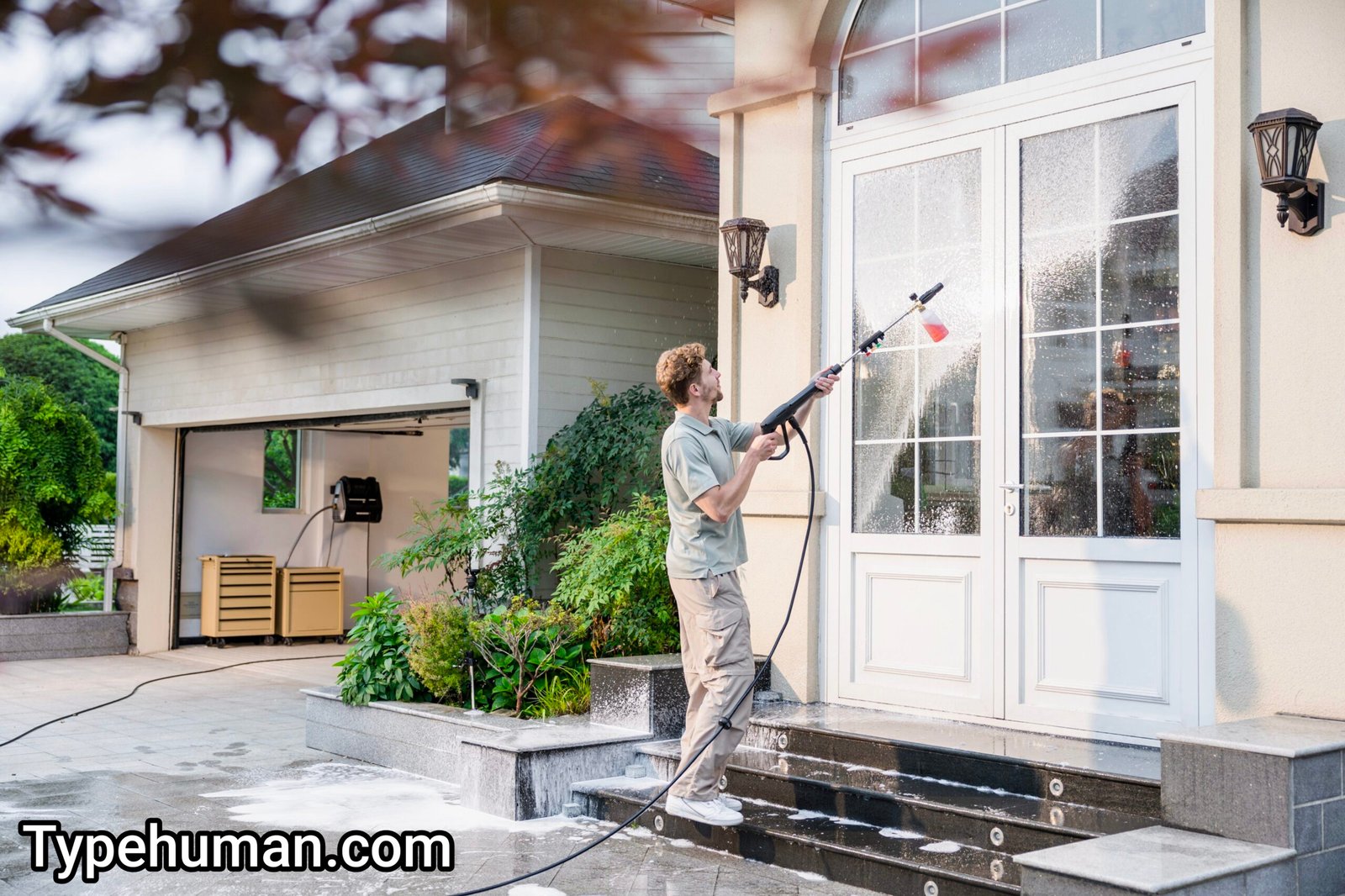
Maintaining the exterior of your home or commercial property is just as important as caring for the interior. Over time, dirt, mold, algae, grime, and pollution accumulate on surfaces such as siding, driveways, patios, decks, and walkways. One of the most effective ways to restore the beauty and cleanliness of these surfaces is pressure washing. This method uses high-pressure water spray to remove stubborn dirt, stains, and buildup that ordinary cleaning methods cannot handle, explains Peabody Residential Leesburg team. Regular pressure washing not only improves curb appeal but also protects surfaces from damage and extends their lifespan.
Pressure washing is more than just cosmetic improvement. It helps preserve the integrity of exterior materials, prevents structural damage, and reduces the risk of slips and falls on surfaces like walkways and driveways. Whether performed as a DIY project or by hiring professional services, understanding the benefits, techniques, and safety precautions of pressure washing is essential to achieve optimal results.
Benefits of Pressure Washing
Pressure washing offers numerous advantages for homeowners and business owners alike. The most obvious benefit is aesthetic: clean surfaces enhance the overall appearance of a property, making it look fresh and well-maintained. Dirt, grime, mold, and mildew can dull the look of exterior walls, decks, and concrete surfaces, while pressure washing restores their original brightness.
Beyond aesthetics, pressure washing protects property surfaces from deterioration. Mold and mildew can gradually erode wood, concrete, and siding if left untreated, leading to costly repairs. Algae and moss buildup on decks and walkways create slippery surfaces, increasing the risk of accidents. Regular pressure washing removes these hazards, ensuring safety while maintaining structural integrity.
Additionally, pressure washing prepares surfaces for painting, staining, or sealing. Removing dirt, old paint, and debris ensures that new coatings adhere properly, resulting in a longer-lasting finish. For commercial properties, maintaining clean exteriors projects a professional image to clients and visitors, improving business perception.
Tools and Equipment for Pressure Washing
Effective pressure washing requires the right equipment. Pressure washers are available in electric and gas-powered models, each with specific advantages. Electric washers are quieter, lighter, and ideal for smaller residential jobs. Gas-powered washers provide more pressure and are suitable for large surfaces or heavy-duty cleaning tasks.
Other essential equipment includes extension wands, spray nozzles, surface cleaners, and safety gear such as gloves, goggles, and non-slip footwear. Different nozzle tips produce varying spray patterns and pressures, making them suitable for different surfaces. Using the right combination of pressure, nozzle, and technique ensures optimal cleaning without causing damage.
For delicate surfaces, low-pressure washers or specialized attachments may be necessary. In some cases, professional-grade machines with high PSI and flow rates provide faster and more thorough results. Selecting the correct equipment based on the surface and cleaning goals is crucial for achieving streak-free and damage-free results.
Techniques for Effective Pressure Washing
Proper technique is essential to safe and effective pressure washing. Start by clearing the area of furniture, vehicles, or obstacles. Protect nearby plants, electrical outlets, and fragile surfaces from water damage. Begin with a lower pressure setting and gradually increase if necessary, maintaining a consistent distance between the nozzle and surface.
Use sweeping motions to avoid concentrating pressure on one spot, which could damage siding, wood, or concrete. For stubborn stains or algae, pre-treating the surface with appropriate cleaners enhances results. After washing, rinse thoroughly to remove any remaining cleaning solution or debris. Following proper techniques reduces the risk of damage and ensures even, streak-free cleaning.
Pressure Washing Different Surfaces
Different surfaces require unique approaches during pressure washing. Concrete and asphalt driveways can withstand higher pressure to remove oil stains, dirt, and algae. Wooden decks require moderate pressure to avoid splintering, while composite materials may need low-pressure settings combined with mild detergents.
Siding materials such as vinyl, brick, or stucco have specific pressure and cleaning requirements. Vinyl siding can handle higher pressure, while stucco and older brick surfaces require gentler techniques to prevent chipping or erosion. Roof cleaning often involves soft washing techniques that use lower pressure and specialized detergents to remove moss, algae, and debris without damaging shingles. Understanding the characteristics of each surface ensures effective cleaning and protects your property from accidental damage.
DIY Pressure Washing vs Professional Services
Many homeowners choose to pressure wash their property themselves, which can be cost-effective and convenient. DIY pressure washing works well for small areas, patios, decks, and driveways. With proper research, equipment, and safety precautions, homeowners can achieve satisfactory results without professional assistance.
However, professional pressure washing services offer several advantages. Professionals have experience handling various surfaces, know the appropriate pressure settings, and can access high-quality equipment that produces faster and more thorough results. They also follow safety protocols for working at heights, near electricity, or on delicate surfaces. For large-scale projects or surfaces prone to damage, hiring experts ensures superior results while reducing risk and effort.
Environmental and Safety Considerations
Pressure washing involves high-pressure water and, sometimes, cleaning solutions, which can affect the environment and safety if not used correctly. Using biodegradable or eco-friendly detergents reduces the impact on plants, soil, and water systems. Avoid directing runoff into storm drains or areas where it may harm wildlife.
Safety precautions include wearing protective gear, keeping a firm grip on the pressure washer, and avoiding electrical hazards. Never point the pressure washer at people, pets, or delicate surfaces. Maintaining a safe distance and using the correct nozzle and pressure setting prevents accidents and ensures effective cleaning. Awareness of both environmental and personal safety considerations is essential for responsible pressure washing.
Frequency of Pressure Washing
The frequency of pressure washing depends on factors such as weather, location, and property type. Residential properties may benefit from annual or biannual washing, especially in regions with heavy rainfall, pollution, or nearby trees that produce debris. High-traffic surfaces like driveways, patios, and walkways may require more frequent cleaning to maintain safety and appearance.
Commercial properties with visible exteriors often benefit from quarterly or biannual cleaning to maintain a professional image. Regular pressure washing not only keeps surfaces clean but also prevents long-term damage caused by mold, algae, or dirt buildup. Consistency in cleaning ensures that surfaces remain attractive, functional, and safe year-round.
Maintaining Surfaces Between Washings
Keeping surfaces clean between pressure washing sessions reduces the frequency and effort of intensive cleaning. Simple measures include sweeping debris from patios, decks, and walkways, removing stains promptly, and treating mold or mildew as soon as it appears. Applying sealants or protective coatings on wood, concrete, or stone surfaces can minimize dirt accumulation and extend the time between cleanings.
Proper landscaping, such as trimming trees or plants near your property, also helps reduce the amount of debris that falls onto exterior surfaces. By maintaining surfaces between pressure washing sessions, homeowners can preserve the effectiveness of the cleaning and protect property materials from unnecessary wear.
Conclusion
Pressure washing is a powerful, efficient, and essential method for maintaining clean, safe, and visually appealing property exteriors. From driveways and patios to siding, decks, and walkways, regular cleaning prevents damage, extends the life of surfaces, and enhances overall aesthetics. Whether performed as a DIY project or by hiring professional services, understanding the correct techniques, equipment, and safety precautions ensures optimal results.
Incorporating pressure washing into routine property maintenance improves curb appeal, protects investments, and creates a healthier, safer living environment. By cleaning and maintaining exterior surfaces consistently, homeowners and business owners alike can enjoy the full benefits of a sparkling, well-kept property.
 hamza seo