

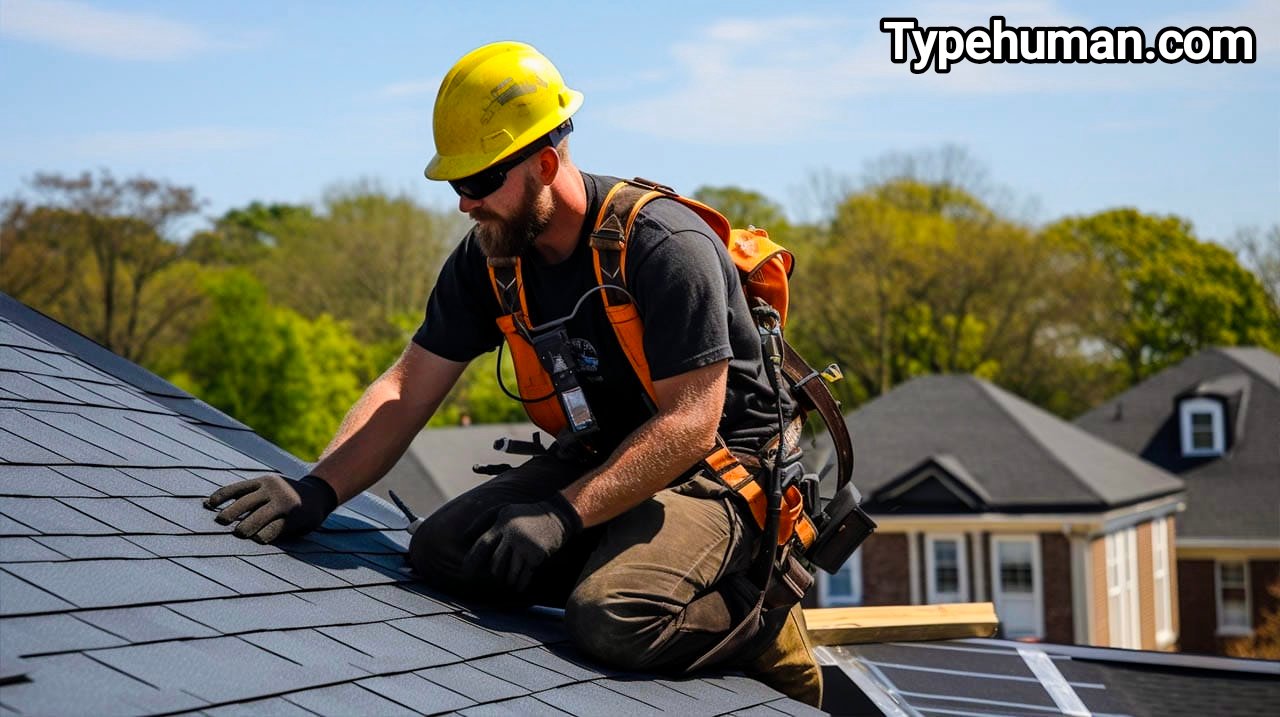
A roof is one of the most critical elements of any building, providing protection, insulation, and structural stability. Whether for a residential home or a commercial property, the quality of roofing work directly affects safety, comfort, and long-term value says Bartsch Management. This is why selecting the right roofer is not a decision to take lightly. A skilled professional ensures that roofing systems are installed, repaired, and maintained to the highest standards, preventing costly damage and premature failure.
This comprehensive guide explains the role of a roofer, the services they provide, common roofing challenges, material considerations, maintenance strategies, and how professional expertise contributes to long-lasting roof performance. Understanding these factors helps property owners make informed decisions and protect their investment effectively.
What a Roofer Does and Why the Role Matters
A roofer is a trained professional responsible for installing, repairing, maintaining, and inspecting roofing systems. Their work goes beyond placing materials on a structure. It involves understanding building design, drainage, ventilation, weather resistance, and safety requirements.
The roofer ensures that roofing materials are correctly aligned, securely fastened, and properly sealed. Mistakes at any stage of the process can lead to leaks, insulation problems, structural damage, and reduced lifespan. Professional roofing work protects not only the roof itself but also the interior structure, electrical systems, and overall integrity of the building.
Types of Roofing Services Offered by a Roofer
Roofing services cover a wide range of needs, from minor repairs to complete system installations. Each service requires specific skills and technical knowledge.
Roof Installation
Roof installation involves building a complete roofing system from the ground up. This includes preparing the structure, installing underlayment, placing roofing materials, and ensuring proper ventilation and drainage. Precision during installation is essential to ensure long-term durability and performance.
Roof Repair
Roof repair addresses localized damage such as leaks, cracked materials, loose components, and flashing failures. Timely repairs prevent minor issues from escalating into structural problems that require costly replacement.
Roof Replacement
When roofing materials reach the end of their lifespan or damage is widespread, replacement becomes necessary. A roofer removes old materials, inspects the structure, and installs a new system designed for durability and efficiency.
Roof Maintenance and Inspection
Routine maintenance and inspections help identify potential issues early. A roofer checks for signs of wear, moisture intrusion, and material failure, allowing preventative action before major damage occurs.
Roofing Materials and Specialized Expertise
Different roofing materials require specialized knowledge and techniques. A qualified roofer understands the characteristics of each material and applies the correct methods for installation and repair.
Asphalt Shingles
Asphalt shingles are widely used due to affordability and versatility. Proper installation ensures resistance to wind and water. Repairs typically involve replacing damaged shingles and resealing vulnerable areas.
Metal Roofing
Metal roofs offer durability and energy efficiency. They require precise fastening and expansion control. A roofer must account for thermal movement and corrosion prevention.
Tile Roofing
Tile roofs provide long-lasting performance and visual appeal. Handling tiles requires care to avoid breakage, and repairs often involve underlayment inspection and replacement.
Flat Roofing Systems
Flat roofs rely heavily on proper drainage and waterproof membranes. Repairs may include sealing seams, patching membranes, and correcting pooling issues.
Common Roofing Problems a Roofer Addresses
Roofing issues often develop gradually, making early detection critical. A roofer is trained to identify both visible and hidden problems.
Leaks are one of the most common issues and may originate from damaged materials, flashing failure, or improper installation. Poor ventilation can lead to moisture buildup, mold growth, and higher energy costs. Storm damage can loosen materials or compromise structural components. Aging materials lose their protective properties, increasing vulnerability to environmental stress.
Addressing these problems early prevents extensive damage and preserves roof integrity.
The Importance of Roof Ventilation and Insulation
Ventilation and insulation play a crucial role in roofing performance. Proper airflow prevents heat and moisture buildup, which can degrade materials and shorten roof lifespan. Insulation helps regulate indoor temperatures, improving energy efficiency and comfort.
A professional roofer ensures that ventilation systems are correctly designed and integrated with the roofing structure. Balanced airflow reduces stress on materials and prevents condensation-related damage.
Safety Standards and Professional Practices
Roofing work involves significant safety risks, including falls and equipment hazards. Professional roofers follow strict safety protocols, use protective equipment, and adhere to industry regulations.
Compliance with building codes and manufacturer guidelines is essential. Proper installation ensures warranties remain valid and protects property owners from liability issues. Professional practices also ensure structural integrity and long-term reliability.
How a Roofer Contributes to Energy Efficiency
A well-installed and properly maintained roof significantly improves energy efficiency. Sealing gaps, repairing damaged materials, and improving insulation reduce heat loss and prevent air leakage.
Modern roofing solutions may include reflective materials or coatings that reduce heat absorption. A roofer evaluates these options based on building design and performance goals, helping property owners lower energy costs.
Cost Factors in Roofing Services
The cost of roofing services depends on several factors, including material type, roof size, complexity, and extent of damage. Minor repairs are typically affordable, while extensive repairs or replacements require higher investment.
Working with a professional roofer ensures accurate assessments and cost-effective solutions. Early repairs and regular maintenance reduce long-term expenses by preventing major structural damage.
When to Repair vs. Replace a Roof
Determining whether to repair or replace a roof requires professional evaluation. Repairs are effective when damage is localized and materials are in generally good condition. Replacement is necessary when materials are aged or damage is widespread.
A roofer provides expert recommendations based on structural integrity, material lifespan, and long-term cost considerations. Making the right decision prevents unnecessary spending while ensuring reliable protection.
How to Choose the Right Roofer
Selecting the right roofer is essential for quality results. Property owners should look for experience, proper licensing, insurance coverage, and a strong reputation. Clear communication, detailed assessments, and transparent pricing indicate professionalism.
A qualified roofer takes time to explain options, answer questions, and provide realistic timelines. This level of professionalism builds trust and ensures successful project outcomes.
Long-Term Benefits of Hiring a Professional Roofer
Hiring a professional roofer provides long-term benefits that extend beyond immediate repairs or installation. Quality workmanship extends roof lifespan, improves energy efficiency, and reduces maintenance needs.
Professional roofing services also provide peace of mind. Knowing that a roof is structurally sound and properly maintained eliminates uncertainty and protects property value over time.
Preventative Roofing Care and Planning
Preventative care is one of the most effective ways to maximize roof performance. Regular inspections, seasonal maintenance, and prompt repairs prevent small issues from becoming major problems.
A roofer helps property owners create a maintenance plan tailored to their roofing system. This proactive approach minimizes emergencies and ensures consistent protection year after year.
Conclusion
A roofer plays a vital role in protecting buildings from environmental damage, energy loss, and structural deterioration. From installation and repair to maintenance and inspection, professional expertise ensures that roofing systems perform as intended throughout their lifespan.
Understanding roofing materials, common issues, and the value of professional service allows property owners to make informed decisions. By investing in skilled workmanship and proactive care, property owners secure long-term protection, improved efficiency, and lasting peace of mind.
 hamza seo