

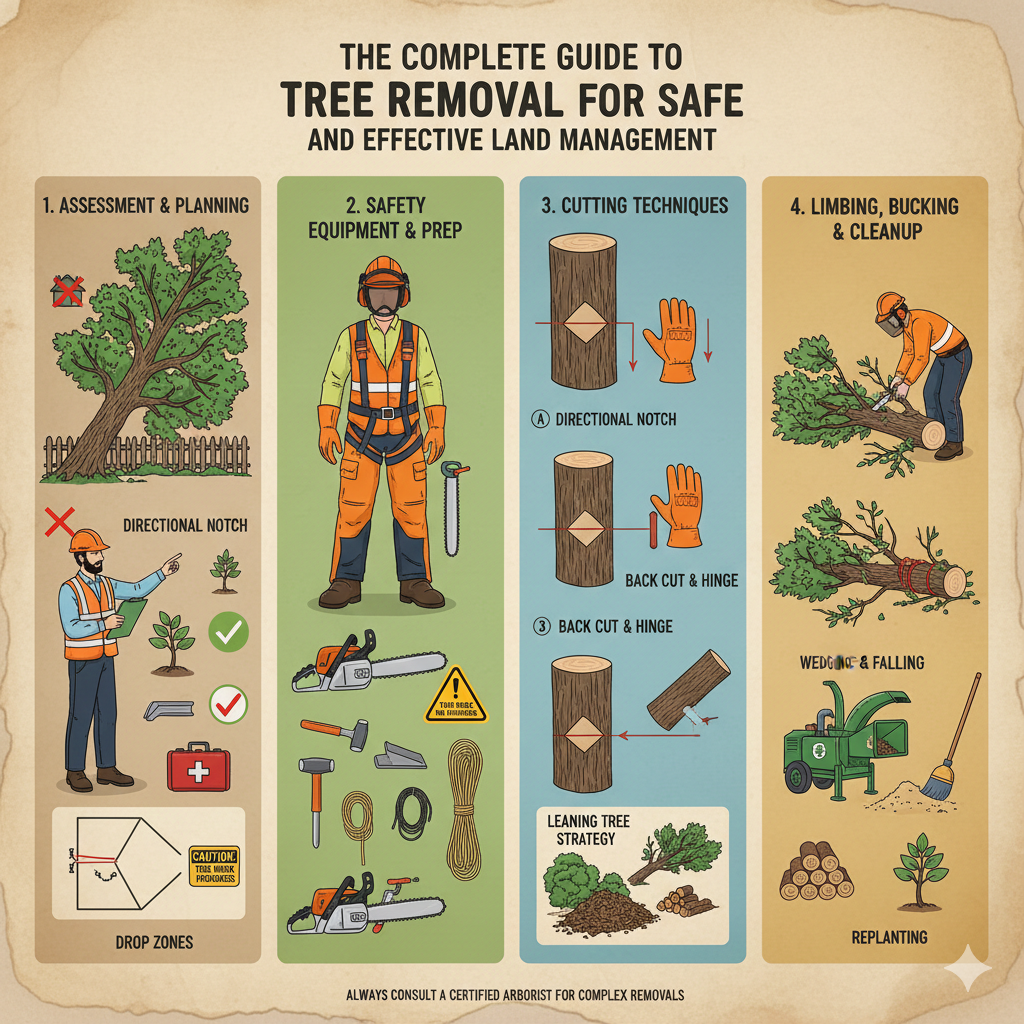
Tree removal is a critical aspect of property maintenance, land development, and safety management. Whether trees are diseased, damaged, obstructing construction, or posing a risk to structures and power lines, removing them safely and efficiently is essential. Proper tree removal not only protects property and people but also improves the aesthetics and usability of land. Understanding the techniques, benefits, and best practices of tree removal ensures that landowners make informed decisions while preserving environmental balance and enhancing property value.
What Is Tree Removal
Tree removal is the process of safely cutting down and removing trees from a property. It involves evaluating the health, size, location, and species of a tree, then using specialized equipment and techniques to bring the tree down safely. Unlike simple pruning, tree removal addresses trees that are dead, dying, structurally unsound, or obstructive to development projects. Tree removal requires careful planning and professional expertise because improper techniques can lead to property damage, personal injury, or environmental harm.
Reasons for Tree Removal
There are several reasons why tree removal may be necessary. Trees that are diseased, infested by pests, or structurally unstable pose a threat to nearby structures and people. Construction projects often require clearing trees to make space for buildings, driveways, or utilities. In addition, overgrown trees can interfere with power lines, reduce sunlight to gardens or lawns, or obstruct sightlines along roads and pathways. In some cases, tree removal is also performed to improve the overall landscape design or to replace older trees with younger, healthier species.
Techniques of Tree Removal
Tree removal techniques vary depending on the size of the tree, location, and surrounding structures. Professional arborists often use a combination of methods to ensure safety and efficiency. For smaller trees in open areas, a simple cut at the base may suffice. Large or hazardous trees near buildings or power lines require advanced techniques, including sectional removal, where the tree is cut into manageable pieces from the top down.
Equipment such as chainsaws, cranes, and rigging systems are commonly used in tree removal projects. Additionally, stump grinding or complete root removal may be performed after cutting down the tree to prevent regrowth and to prepare the land for future use. Safety protocols, including protective gear, proper rigging, and controlled cutting angles, are essential to prevent accidents during the removal process.
Environmental Considerations
While tree removal may seem destructive, it can be conducted in an environmentally responsible manner. Proper planning ensures that healthy trees are preserved whenever possible, and hazardous or dying trees are removed to protect surrounding vegetation. The wood from removed trees can be recycled into mulch, firewood, or timber, minimizing waste and supporting sustainable land practices. In addition, careful removal techniques prevent soil erosion, protect nearby plant life, and maintain the balance of local ecosystems.
Benefits of Professional Tree Removal
Hiring professional services for tree removal offers multiple advantages. Experts have the knowledge, experience, and equipment to remove trees safely and efficiently, even in complex or hazardous locations. They can assess tree health, determine potential risks, and plan the safest removal method. Professionals also handle debris disposal, stump removal, and land cleanup, leaving the property safe and ready for development or landscaping. Using professional services reduces the risk of injury, property damage, and environmental harm while ensuring that tree removal is completed quickly and effectively.
Safety Considerations
Safety is the top priority in tree removal. Improper cutting techniques can lead to falling limbs, property damage, or serious injury. Professionals follow strict safety protocols, including assessing wind conditions, wearing protective equipment, establishing exclusion zones, and using proper rigging and cutting methods. For trees near structures, roads, or utility lines, additional precautions are taken to minimize risks. Property owners should never attempt to remove large or hazardous trees on their own and should always rely on trained arborists.
Planning for Tree Removal
Before initiating tree removal, property owners should evaluate the site and consider several factors. Identifying the trees that need removal, assessing surrounding structures, and determining the intended land use are essential first steps. Obtaining necessary permits or approvals may be required in some regions, particularly if the tree is part of protected land or a regulated species. Planning also includes choosing whether to remove the stump, recycle the wood, or replace the tree with new vegetation to maintain aesthetic appeal and ecological balance.
Long-Term Benefits of Tree Removal
Tree removal offers long-term benefits beyond immediate safety. Removing diseased or hazardous trees reduces the risk of property damage and enhances safety for residents and visitors. Clearing overgrown or obstructive trees can improve sunlight exposure, air circulation, and overall landscape aesthetics. For construction and development, removing trees creates usable land, improves accessibility, and allows for efficient site planning. When combined with responsible disposal and planting strategies, tree removal supports sustainable property management and long-term ecological health.
Integrating Tree Removal with Sustainable Practices
Sustainability should be an integral part of tree removal. Using recycled wood for mulch or firewood, replanting trees to replace removed ones, and preserving nearby vegetation are effective ways to maintain environmental balance. Professional tree removal In Shreveport services often integrate these practices into their work, ensuring minimal impact on soil, water, and local wildlife. By combining safe removal methods with ecological considerations, property owners can achieve both practical and environmental goals.
Conclusion
Tree removal is a necessary and valuable practice for maintaining safe, functional, and visually appealing properties. It addresses hazards posed by diseased, damaged, or obstructive trees while creating space for construction, landscaping, and development. Professional tree removal ensures the process is safe, efficient, and environmentally responsible. Proper planning, expert execution, and sustainable practices enhance land usability, improve aesthetics, and protect both people and property. Investing in professional tree removal services ensures long-term benefits, safer environments, and a well-maintained landscape.
For expert guidance in safe and efficient tree removal, relying on professional services guarantees optimal results, minimal risk, and responsible land management practices.
 hamza seo