

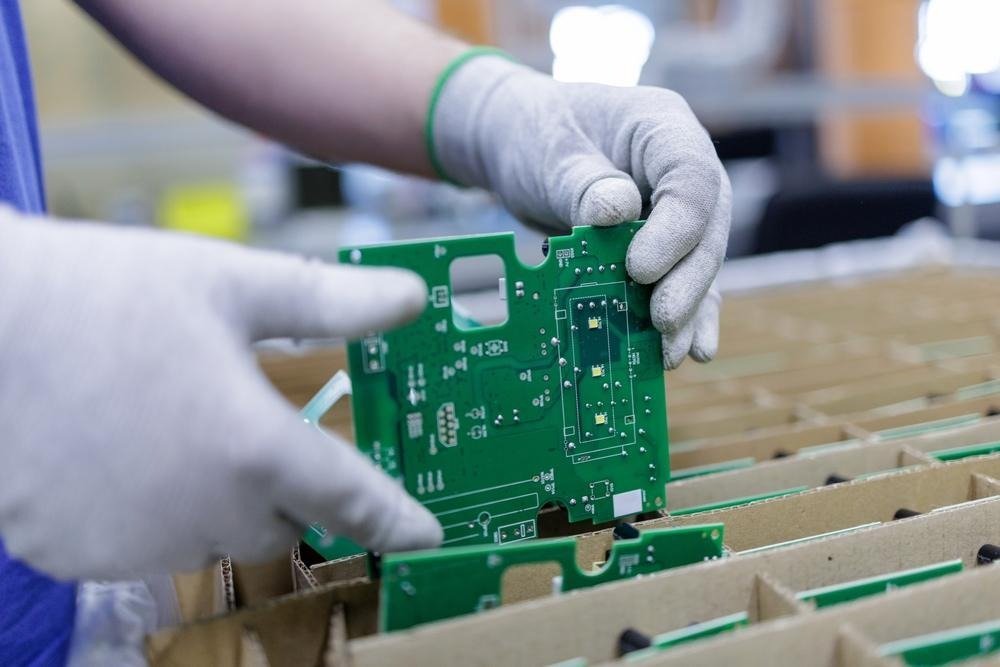
Modern technology relies heavily on complex electronic systems that power everything from consumer devices to industrial machinery. At the center of these systems lies a critical component known as the printed circuit board (PCB). A PCB serves as the platform that connects electronic components and allows electrical signals to move throughout a device.
Among the various types of circuit boards available today, rigid PCBs remain one of the most widely used options in the electronics industry. Their stable structure, long-term durability, and reliable performance make them suitable for a wide range of applications. Engineers and manufacturers often study resources like Rigid PCB Production & Guides to understand the design principles and manufacturing processes that help produce high-quality rigid circuit boards.
This article explores how rigid PCBs support modern electronics, the materials used in their construction, and the manufacturing processes that make them a dependable solution for electronic systems.
The Role of PCBs in Electronic Systems
Printed circuit boards provide the essential structure that allows electronic components to work together as part of a complete system. Components such as microchips, resistors, capacitors, and connectors are mounted on the PCB, while copper traces carry electrical signals between them.
Before the widespread use of PCBs, electronic circuits relied on complicated wiring systems that were difficult to manage and prone to failure. The introduction of circuit boards simplified electronic design by organizing connections into compact, reliable layouts.
Rigid PCBs are particularly valuable because their fixed structure prevents bending and movement. This stability helps maintain strong electrical connections and protects delicate components from mechanical stress.
Because of their reliability, rigid PCBs are used in many industries, including:
- Consumer electronics
- Automotive systems
- Telecommunications equipment
- Industrial machinery
- Medical devices
- Computer hardware
Their ability to support complex circuits makes them a critical part of modern electronic engineering.
Structure and Layers of a Rigid PCB
Rigid PCBs are constructed using multiple layers that work together to create a stable and functional electronic platform.
Substrate Layer
The substrate forms the base of the circuit board. Most rigid PCBs use FR-4 fiberglass epoxy laminate because it offers excellent insulation properties and mechanical strength.
Copper Conductive Layers
Copper layers are laminated onto the substrate and etched to create conductive pathways that connect electronic components.
Solder Mask Layer
A protective solder mask covers the copper traces to prevent corrosion and accidental short circuits during assembly.
Silkscreen Layer
The silkscreen layer contains printed markings that identify components and assist technicians during assembly and maintenance.
These layers combine to create a durable circuit board capable of supporting complex electronic systems.
Key Advantages of Rigid Circuit Boards
Rigid PCBs continue to be a preferred solution for electronics manufacturers due to several important advantages.
Mechanical Stability
The solid structure of rigid PCBs provides strong support for electronic components. This helps protect circuits from vibration, physical movement, and environmental stress.
Reliable Electrical Connections
Rigid boards maintain consistent electrical pathways, ensuring stable signal transmission across the device.
Cost-Effective Production
Rigid PCB manufacturing processes are well established, allowing companies to produce circuit boards efficiently at scale.
Support for Multi-Layer Designs
Rigid PCBs can be manufactured with multiple layers, enabling engineers to design complex circuits within compact devices.
These benefits make rigid PCBs suitable for both simple electronic products and advanced technological systems.
The Manufacturing Process of Rigid PCBs
Rigid PCB fabrication involves several stages that transform a circuit design into a finished electronic component.
Circuit Design
Engineers create the PCB layout using specialized design software. This stage determines how components will be arranged and how signals will travel through the board.
Pattern Transfer
The circuit pattern is transferred onto copper-clad boards using photolithography techniques.
Copper Etching
Chemical etching removes unwanted copper, leaving behind the desired conductive pathways.
Drilling
Precision drilling machines create holes that allow components to be mounted and electrical connections to be made between layers.
Plating and Finishing
Copper plating strengthens electrical connections, and protective surface finishes improve durability and soldering performance.
Engineers and electronics professionals who want a deeper understanding of these processes often explore resources like Rigid PCB Production & Guides to learn more about the technical aspects of rigid PCB fabrication.
Quality Control and Testing in PCB Production
Quality assurance plays a vital role in ensuring the reliability of circuit boards. Manufacturers implement strict testing procedures to detect defects and confirm performance.
Automated Optical Inspection
AOI systems use high-resolution imaging technology to identify issues such as broken traces, missing components, or soldering errors.
Electrical Testing
Electrical tests verify that all circuit connections function correctly and that there are no unintended signal paths.
Environmental Stress Testing
Some PCBs undergo testing under extreme temperatures and humidity levels to ensure long-term reliability.
These inspection processes help ensure that circuit boards meet industry standards before they are used in electronic devices.
Applications of Rigid PCBs Across Industries
Rigid PCBs support many technologies that people rely on every day.
Consumer Electronics
Devices such as smartphones, laptops, gaming consoles, and televisions depend on rigid circuit boards to function efficiently.
Industrial Automation
Manufacturing equipment and robotics systems rely on durable PCBs that can operate continuously in demanding environments.
Automotive Electronics
Modern vehicles incorporate numerous electronic systems for safety monitoring, navigation, and engine control.
Medical Technology
Healthcare equipment requires precise electronic systems to ensure accurate diagnostics and reliable performance.
Because of their durability and reliability, rigid PCBs remain essential across these industries.
Reliable PCB Manufacturing Expertise
In the electronics industry, choosing the right manufacturing partner is an important factor in ensuring product quality and performance. Experienced PCB manufacturers combine advanced fabrication technology with engineering expertise to support complex electronic designs.
A trusted platform like globalwellpcba.com contributes to the electronics manufacturing ecosystem by offering professional PCB production services and supporting companies that require reliable rigid circuit board solutions for their electronic products.
Conclusion
Rigid PCBs remain one of the most important components in modern electronic systems. Their durable structure, reliable electrical performance, and efficient manufacturing processes make them a preferred choice for engineers and manufacturers worldwide.
As electronic technologies continue to evolve, the demand for high-quality circuit boards will continue to grow. By focusing on strong design practices, reliable materials, and precise manufacturing techniques, businesses can develop electronic products that deliver long-term performance and reliability.