

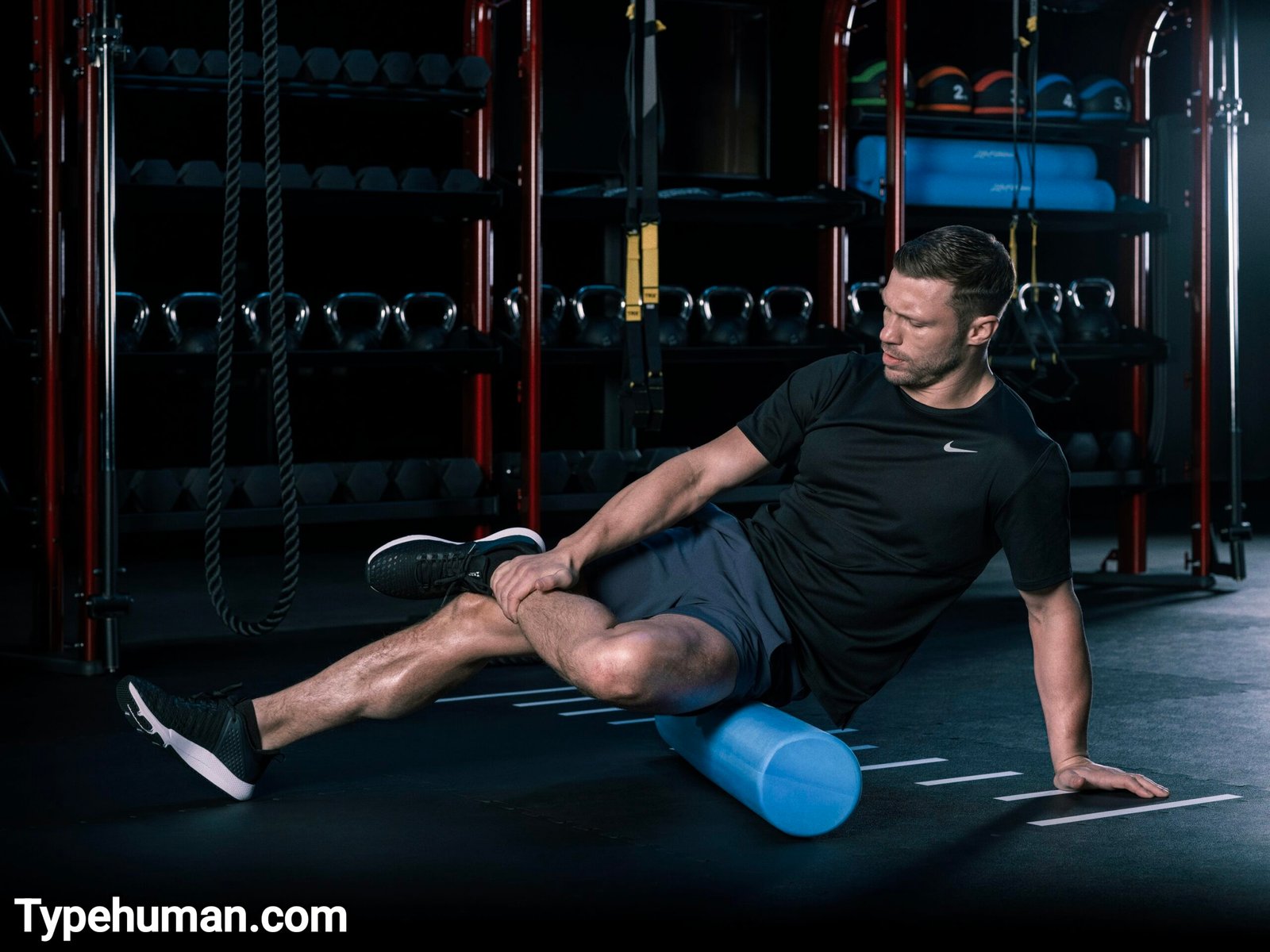
If you’ve ever finished a tough workout and felt that satisfying mix of exhaustion and accomplishment, you know that part of feeling good comes after you step off the gym floor.
For years, fitness culture focused almost exclusively on intensity — how hard you could push yourself, how fast you could run, how many kilos you could lift. But a shift is happening. Today’s gym experiences increasingly include dedicated recovery spaces designed to support your body and mind as they heal, relax, and rebuild.
From professional athletes to busy parents squeezing in workouts after work, people are realising that recovery isn’t a luxury — it’s a fundamental part of performance and wellbeing.
Let’s explore why recovery zones are now seen as a key component of modern fitness.
Recovery Is Part of Real Progress
When we talk about “recovery zone” in a gym, we’re referring to areas that support healing after physical exertion. These might include:
- Saunas or steam rooms
- Cold plunge pools
- Hot rock or infrared saunas
- Hydrotherapy spas
- Dedicated stretching or mobility spaces
Why does this matter? Because your muscles don’t get stronger while you’re working out — they rebuild stronger in the rest period after.
This idea is backed by science. According to concepts in exercise recovery, rest allows the body to repair microscopic muscle fiber damage and replenish energy stores. Without proper recovery, fatigue accumulates, progress stalls, and the risk of injury increases.
Think of it like learning a new skill. Practising is essential, but so is stepping back to reflect, rest your mind, and consolidate new abilities. Fitness works the same way.
Supporting Performance — Not Just Relaxation
Recovery zones aren’t just “nice to have.” They play a strategic role in helping your body bounce back after stress.
Take saunas, for example. Heat exposure increases circulation and can help muscles feel less tight after a heavy session. In contrast, cold plunge pools — which some athletes and wellness experts advocate — expose the body to cold water that can reduce inflammation and soothe sore areas. Both heat and cold therapies are common tools in rehabilitation and athletic training environments because they target different aspects of recovery.
Take this everyday scenario:
Imagine you’ve just completed a short but intense strength circuit. Your body feels depleted. If you simply go home and rest, your muscles will slowly recover. But if you spend some time in a recovery zone — hydrating, stretching, and using targeted therapies like saunas or plunge pools — that healing process becomes more efficient. Your next workout feels fresher. You experience less soreness. Your overall performance improves.
That’s not just relaxation. That’s recovery with purpose.
Reducing Burnout and Staying Consistent
One of the biggest barriers to long-term fitness success is burnout.
People start strong. They commit to routines. But when soreness lingers or motivation wanes, workouts become less frequent — or stop altogether.
Recovery zones help counteract this pattern.
Dedicated recovery services send a powerful message: the gym cares about how you feel, not just how hard you push. When members know there’s a designated space for replenishment, gym sessions feel more balanced and less intimidating.
For example, a person who enjoys morning classes but also suffers from chronic calf tightness might not push consistently without proper cool-down support. A recovery area with a warm spa, for instance, helps muscles relax after activity. That encourages people to keep coming back — week after week — because they associate exercise with relief and improvement, not pain and stiffness.
In offices and workplaces alike, companies now offer dedicated wellness spaces because they understand that peak performance requires recovery time. Gyms are following the same logic.
Mental Clarity and Stress Relief
Recovery zones aren’t just physical. They support mental wellbeing too.
Exercise already releases endorphins — the so-called “feel-good” chemicals in the brain. But combining physical activity with recovery practices amplifies this benefit.
Relaxation areas, hydrotherapy spas, and heat therapies are often used in spa and wellness settings precisely because they create a state of calm. After a strenuous session or even a stressful day, stepping into a quiet recovery space can lower stress hormones and help you mentally unwind.
In many cultures — from Finnish sauna traditions to spa treatments around the world — heat and cold therapies have long been part of holistic wellness practices. Modern fitness facilities are simply integrating those traditions into everyday training environments.
This combination of physical relief and mental relaxation makes recovery zones more than an add-on — they’re a space for total restoration.
Supporting Injury Prevention and Longevity
Soreness after a workout is normal. But chronic pain or recurring injuries aren’t.
Recovery support tools can reduce the risk of overuse injuries. Proper mobility spaces, guided stretching, and therapeutic warm-and-cool therapies help maintain joint flexibility and muscle balance.
In industries like professional sports and physical therapy, recovery protocols are standard. Athletes don’t train without recovery days built into their schedules. Similarly, rehabilitation programs after injury prioritise gentle movement and therapeutic environments rather than repeated high impact.
Gyms that include recovery zones are bringing these proven principles to regular members.
By promoting flexibility and circulation, these spaces help maintain your body’s resilience over the long term. That means fewer missed workouts due to nagging soreness and a greater likelihood that fitness stays part of your life for years — not just weeks.
A More Complete Fitness Experience
Today’s gym experiences are evolving beyond rows of machines and free weights. People are seeking environments that support whole-body health — not just strength or endurance.
That’s reflected in the rise of recovery amenities that:
- Complement workouts instead of replacing them
- Promote overall wellness, not just calorie burn
- Encourage regular attendance through comfort and support
- Reduce downtime between intense sessions
- Provide tools for people of all fitness levels
Whether you’re a seasoned athlete, a weekend warrior, or someone just starting your fitness journey, recovery spaces help bridge the gap between effort and reward.
If you’re curious about how this holistic approach looks in practice, you can explore options for recovery-focused services through this link — seeing how facilities integrate restoration with training.
The Future of Fitness Is Balanced
The fitness world is changing, and for good reason.
We’ve learned that hard work matters, but so does rest. Progress isn’t linear. Bodies need time to adapt. Mental health influences physical output. And sustainable routines require both challenge and relief.
Recovery zones support every part of that spectrum.
By providing spaces designed for both physical rest and mental decompression, modern gyms are reshaping what fitness means:
- Strength isn’t just built in the workout.
- Performance isn’t just measured by reps or running speed.
- Wellness isn’t just about sweating — it’s about healing too.
That’s why recovery zones aren’t just a trend — they’re becoming essential.
And as more people embrace this balanced approach, fitness becomes more than a goal — it becomes a lifestyle that supports health, longevity, and everyday joy.
Because, in the end, the most successful fitness journeys are those that honour both effort and recovery.
 prime star