

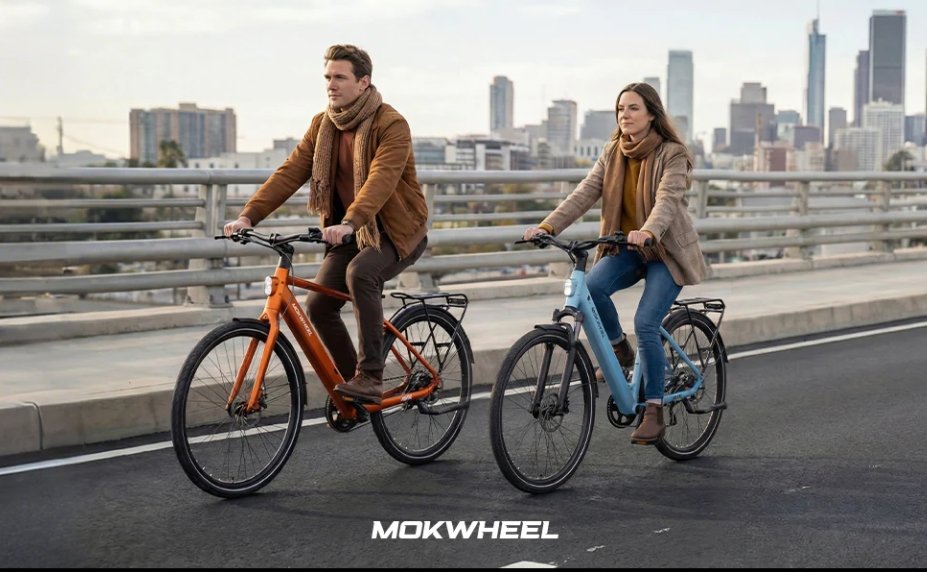
Daily rush-hour commuting is becoming one of the most draining parts of life for many people in the city. Congested roads, unreliable public transit schedules, and rising travel costs have turned “the commute” from a simple daily routine into a constant source of stress. For many urban residents, commute time doesn’t just affect their workday—it quietly wears down their patience for everyday life.
Against this backdrop, more and more people are starting to rethink their options: is there a way to get around that stays efficient, without making the daily commute feel exhausting?
Why are more people choosing commuter ebikes
Compared with cars, public transportation, or traditional bicycles, commuter ebikes are increasingly seen as a middle-ground solution between efficiency and comfort. They aren’t dependent on traffic congestion, don’t require sticking to fixed schedules, and use electric assist to lower the physical barrier—so commuting no longer feels like something you have to push through with sheer effort.
For many working professionals, the appeal of a commuter ebike isn’t about top speed. It’s about stability: having control over when you leave, knowing roughly when you’ll arrive, and experiencing a ride that feels manageable. That sense of predictability is exactly what’s hardest to find in urban commuting.
What features matter most in a commuter electric bike?
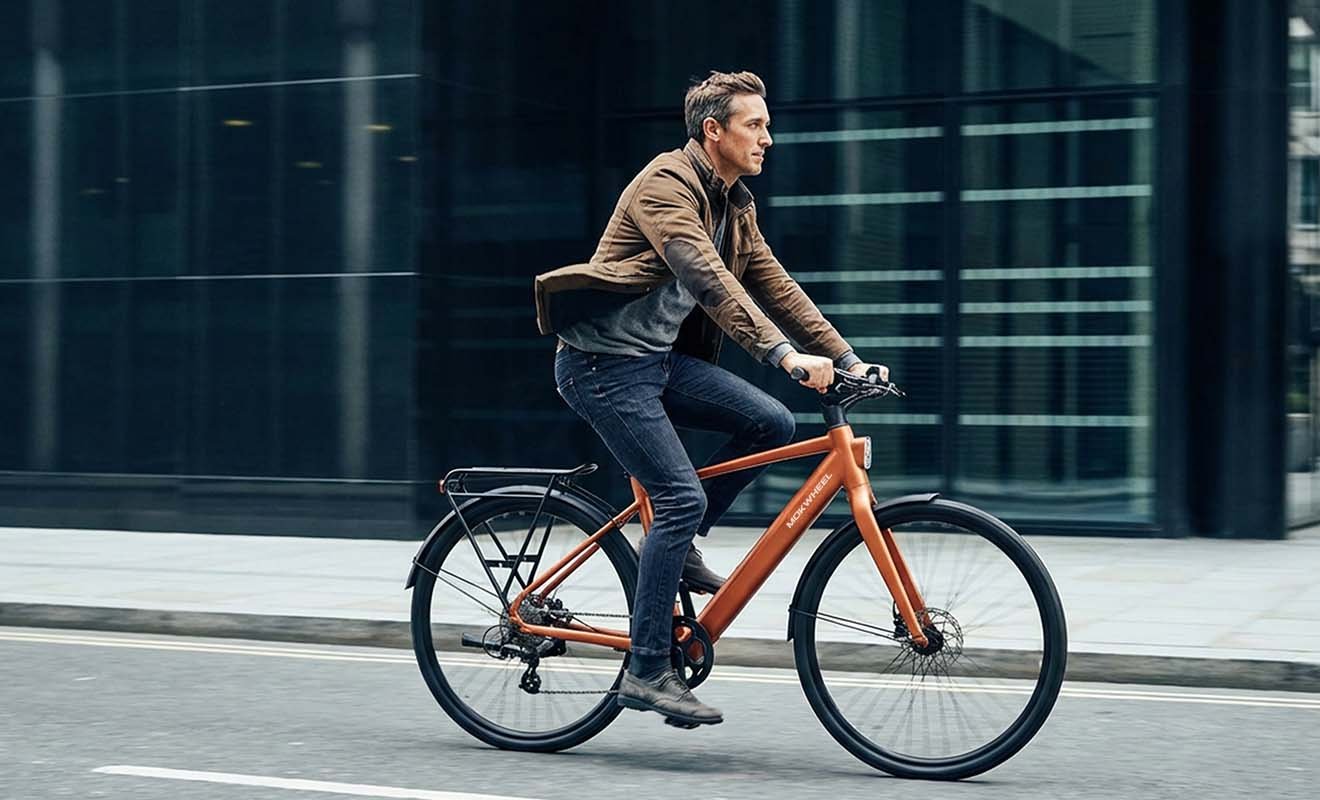
An electric bike that’s truly suited for commuting isn’t the one with the flashiest specs, but the one that delivers consistent comfort in everyday use.
First, comfort and stability
An upright riding position, well-balanced frame geometry, and commuter-friendly features like wider tires or front suspension all have a direct impact on long-term riding fatigue. For riders who commute daily, these details matter far more than top speed on a single ride.
Second, a range that matches real commuting distances.
In a commuting context, people care less about maximum range under ideal test conditions and more about whether they’ll need to recharge frequently during the week. Stable, reliable battery performance reduces uncertainty, making riding easier to integrate into a daily routine.
Finally, practical details designed for everyday use
Features like racks, fenders, and integrated lighting may seem minor, but they determine whether a bike is truly “commute-ready.” These details allow riding beyond fair weather or light trips, making the bike better suited to real urban life.
Commuter ebike needs aren’t the same for riders in every city
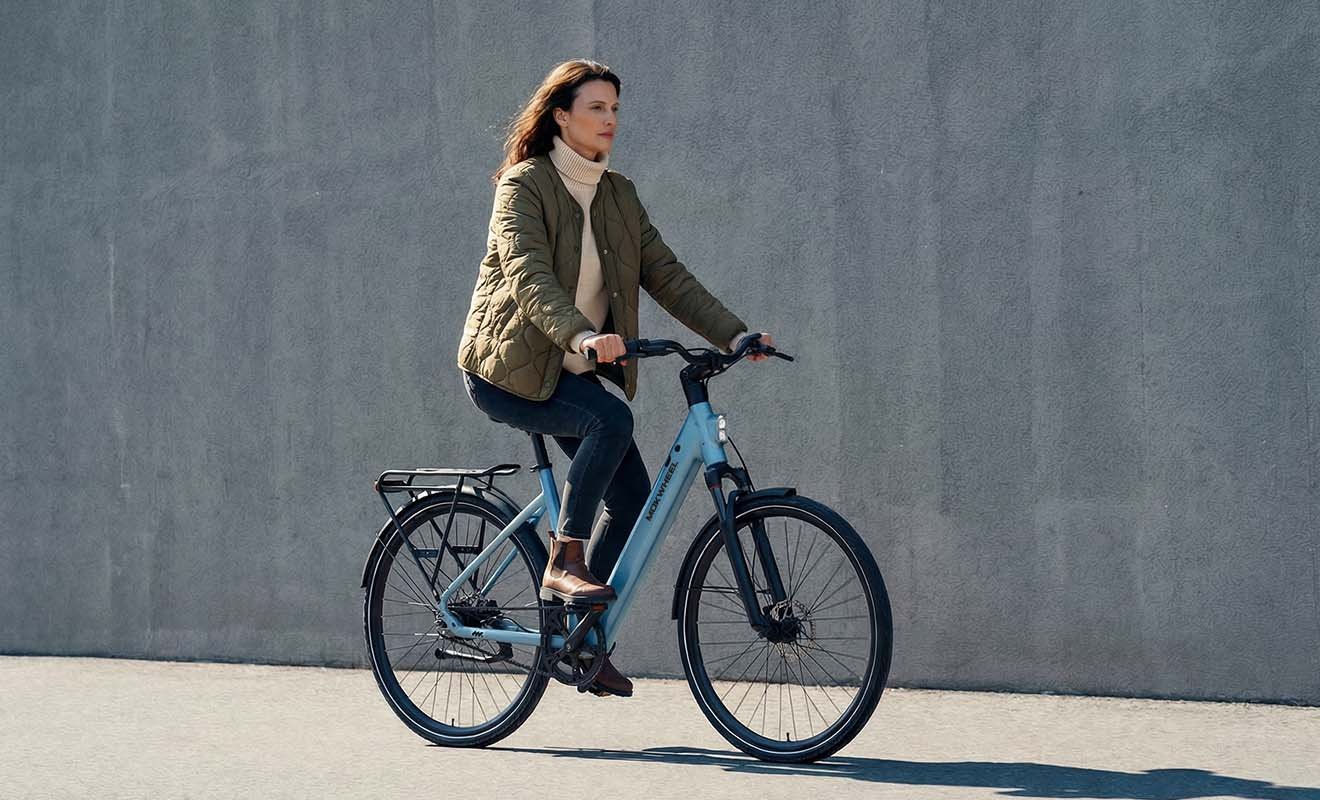
Urban commuters are not a single, uniform group. Some people ride the same route to the office every day, while others have shorter but more frequent commutes. Others want one bike that works for weekday commuting as well as weekend city rides or everyday errands.
Because of this, brands that focus on urban and multi-scenario riding—such as Mokwheel—often design their bikes to balance commuting comfort with everyday flexibility, rather than building around just one riding scenario. This approach tends to align more closely with the real needs of most city riders.
When you start seriously considering an electric bike
As commuting becomes one of the most energy-draining parts of daily life, many people begin actively searching for alternatives, hoping to find a more suitable way to get around. At this stage, searching for an ebike for sale is often not just about comparing prices—it signals that users are evaluating whether an electric bike truly fits long-term commuting needs.
In this decision-making process, what really matters isn’t short-term cost, but whether the bike can consistently reduce the pressure of commuting day after day. The value of a commuter electric bike is often revealed through long-term, everyday use.
Commuter electric bikes are becoming daily urban life
As more people rely on electric bikes for daily commuting, the way cities move is quietly changing. Electric bikes are no longer just a temporary alternative—they are becoming a more stable option that fits naturally into everyday life. For many riders, commuting itself starts to feel different: shifting from something to endure into a routine with a clear rhythm and a more manageable ride.
When people seriously consider this commuting option, they rarely start by locking in a specific model. Instead, they look at their own realities first—how far they ride each day, typical road conditions, and whether frequent stops or lifting the bike are involved. It’s through this kind of careful weighing that content about electric bikes designed for different use scenarios becomes a reference point, helping riders compare which design approaches match their commuting habits, rather than serving as a direct push to purchase.
 Shaban Ch