

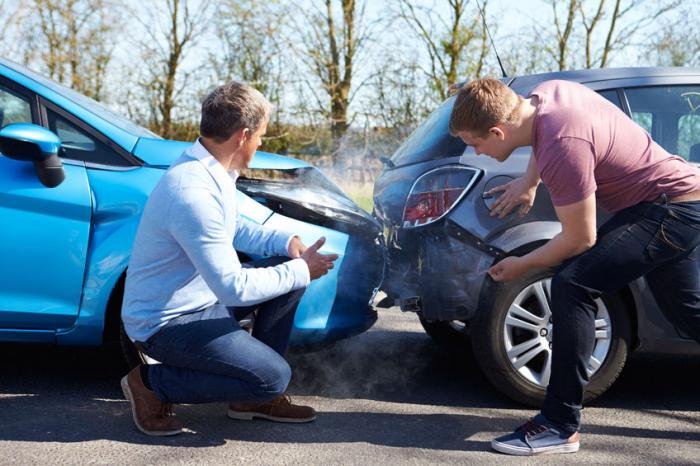
A traffic collision can jolt you out of your usual rhythm and leave you struggling to think clearly. Even a minor impact can shake your confidence and make everyday surroundings feel unfamiliar. In those first few minutes, you face decisions that can affect your health, legal position and future financial security.
You don’t need specialist training to cope, but you do need a calm, methodical approach. When you focus on the safety of everyone involved and take practical steps in the right order, you give yourself control at a moment that can feel overwhelming.
Make the scene safe and check for injuries
Move yourself to a safe position as soon as you step out of your vehicle. On a busy road, an unlit lane or a blind bend can turn a minor crash into a far more serious chain reaction. Turn off your engine, switch on your hazard lights and, if available, place a warning triangle at a sensible distance behind you.
Once the traffic around you poses less risk, look directly at each person involved and ask if they feel pain, dizziness or difficulty moving. Visible bleeding, confusion or breathing problems require an immediate call to the emergency services because these symptoms can worsen faster than you expect.
Exchange details and report correctly
You help protect yourself legally when you give the other driver your name, address, registration number and insurance provider. Ask for the same in return and read the information back to avoid mishearing it. If the other driver refuses to share details, call the police and tell them exactly where you are and what has happened. Reporting the incident promptly prevents disputed accounts later and shows that you acted responsibly.
Record evidence before it disappears
Take clear photographs of every vehicle, the road layout, skid marks, debris and any damage to nearby property. These details fade quickly as traffic moves and people tidy the scene. Use your phone’s voice notes to record your immediate recollection because your memory becomes less reliable once the fatigue and adrenaline wear off. If anyone nearby saw the collision, politely ask for their contact information so you can pass it to your insurer.
What to do once you leave the scene
Tell your insurance provider about the accident as soon as you reach a quiet place. Give a factual account without guessing or embellishing anything. You might also want advice about seeking compensation if the crash wasn’t your fault, because early guidance helps you preserve the right evidence and meet important deadlines.
Have a medical follow-up
Even if you feel fine, it’s best to book an appointment. Soft-tissue injuries, mild concussions and shock often appear hours later, and a doctor’s assessment creates a record that supports any later claim or treatment plan. Keep a running note of symptoms, expenses and time off work, as this log helps you track your recovery and provides useful information if you need further support.
 Shaban Ch