

Introduction: The Importance of Probate in Estate Planning
Probate is a fundamental legal process that ensures the proper administration of a deceased person’s estate. It involves validating the will, distributing assets to beneficiaries, and settling outstanding debts. While the term may seem straightforward, the probate process is often complex and can vary depending on the size and nature of the estate. Understanding how probate works is crucial for both individuals planning their estates and beneficiaries awaiting inheritance. This article explores the intricacies of probate, the legal responsibilities involved, and its impact on estate management.
What Probate Really Means
Probate is the court-supervised procedure for handling a deceased person’s estate. The primary purpose of probate is to ensure that a deceased person’s debts are paid and remaining assets are properly distributed according to their will or state law if no will exists. During probate, the court appoints an executor or personal representative to manage the estate, identify assets, pay off creditors, and distribute property to rightful heirs.
The probate process often involves several steps, including filing the will with the court, notifying creditors and heirs, inventorying estate assets, and obtaining court approval for asset distribution. Although probate can provide legal oversight, it can also be time-consuming and costly, particularly for larger estates with multiple beneficiaries or complex assets.
The Role of the Executor in the Probate Process
One of the central figures in probate is the executor, sometimes referred to as the personal representative. The executor plays a critical role in ensuring that the deceased’s wishes are carried out while adhering to legal obligations. Responsibilities include gathering and protecting assets, paying outstanding debts and taxes, and distributing remaining property according to the will.
Executors must act in good faith and with impartiality, ensuring that all beneficiaries are treated fairly. The probate process can be challenging for executors, particularly if the estate includes complicated investments, business interests, or property in multiple locations. Proper documentation and organization are essential for avoiding legal disputes or delays in the probate process.
Legal Challenges and Disputes During Probate
While probate is designed to provide structure and legal oversight, it is not uncommon for disputes to arise. Challenges may involve questioning the validity of the will, disagreements among heirs, or claims by creditors that were previously unknown. Litigation can extend the probate process and increase administrative costs, creating additional stress for the executor and beneficiaries.
Courts generally encourage resolution through negotiation or mediation before escalating disputes to a formal trial. Understanding potential conflicts and addressing them proactively can help streamline probate and reduce unnecessary complications.
How Probate Affects Estate Planning
Effective estate planning considers the probate process to minimize delays and potential conflicts. Certain assets, such as jointly owned property, life insurance policies with named beneficiaries, and trusts, can often bypass probate, allowing for a more direct transfer to heirs. Proper planning can also help reduce estate taxes and ensure that assets are distributed according to the deceased’s wishes.
Wills and estates lawyers frequently advise creating a comprehensive estate plan that includes a will, possibly a trust, and clear instructions for asset management. Awareness of how probate works enables individuals to make informed decisions about the structure of their estate and the potential impact on heirs.
Steps Involved in Probate Administration
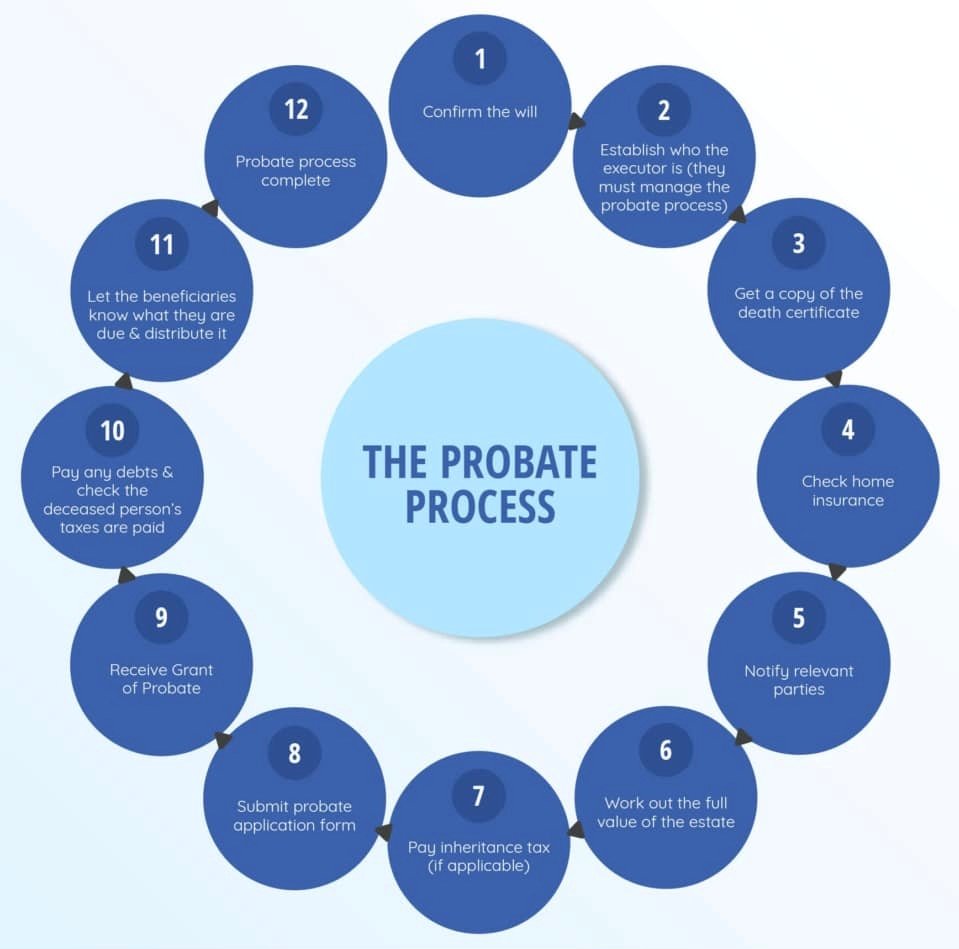
The probate process typically follows several structured steps. First, the will must be filed with the appropriate probate court. Next, the court formally appoints an executor to manage the estate. The executor then inventories all assets, notifies creditors, and addresses any outstanding debts or taxes. Once obligations are fulfilled, the remaining assets are distributed to beneficiaries under court supervision.
Throughout this process, detailed record-keeping and adherence to legal timelines are essential. Executors often work closely with attorneys, accountants, and financial advisors to ensure compliance with all legal requirements. While the process can be lengthy, it provides legal certainty and protection for all parties involved.
Common Misconceptions About Probate
Many people have misconceptions about probate, often viewing it as unnecessarily burdensome or invasive. While probate can be time-consuming, it serves important legal functions, such as protecting the rights of heirs and ensuring debts are paid. Another misconception is that all estates must go through probate. In reality, smaller estates or assets held in certain forms may avoid probate entirely.
Understanding these nuances allows individuals to make strategic decisions about their estate planning and better prepare their beneficiaries for the process. Educating oneself about probate is essential for minimizing surprises and navigating the legal landscape efficiently.
The Benefits of Probate Despite Its Complexity
Despite its perceived drawbacks, probate offers several benefits. It provides a structured, legal framework for distributing assets, reduces the likelihood of fraud, and protects creditors’ interests. Additionally, probate ensures that beneficiaries receive property in accordance with the deceased’s wishes under court supervision, which can prevent conflicts among heirs.
For larger or more complex estates, probate can provide peace of mind by offering judicial oversight and an official process for resolving disputes. Understanding these benefits helps individuals appreciate why probate remains a cornerstone of estate administration.
Conclusion: Embracing Probate as Part of Responsible Estate Management
Probate is an essential aspect of estate administration that balances legal oversight with the fulfillment of a deceased person’s wishes. While the process can be intricate and sometimes costly, it ensures fair distribution of assets, protects the rights of beneficiaries, and provides a clear framework for managing legal responsibilities.
By understanding the probate process, appointing a knowledgeable executor, and engaging in thoughtful estate planning, individuals can reduce complications, protect heirs, and navigate this complex legal procedure with confidence. Probate is not merely a bureaucratic step; it is a vital tool for responsible estate management and the protection of family and financial interests.
 Qasim Bhai