

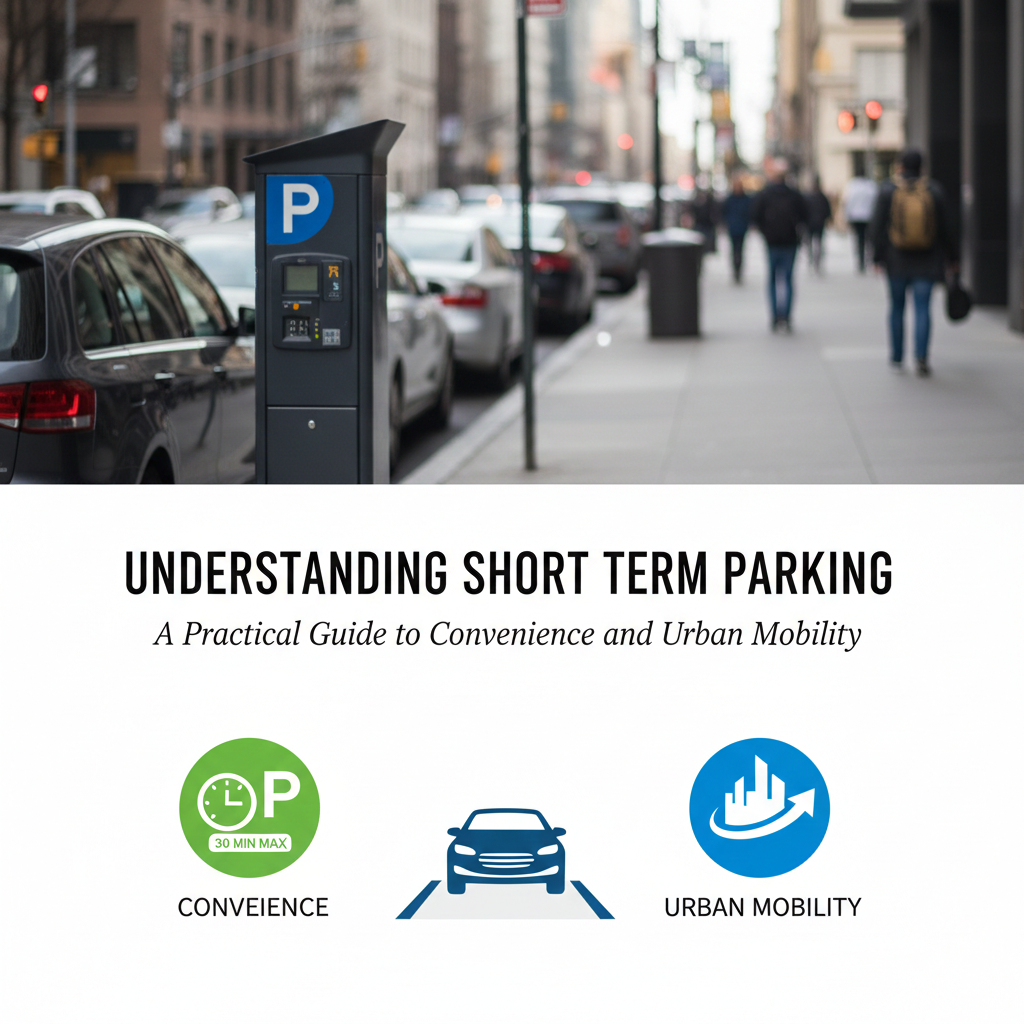
As cities grow and daily movement becomes more fast-paced, parking plays a critical role in how smoothly people navigate urban spaces. Among the different parking options available, short term parking serves a specific and essential purpose. It is designed to support brief stops, quick errands, and temporary visits, offering drivers convenient access to destinations without the need for long commitments. Whether near commercial centers, medical facilities, airports, or residential complexes, short term parking contributes significantly to traffic flow, accessibility, and overall urban efficiency.
Short term parking is not simply about finding a place to leave a vehicle for a short period. It reflects thoughtful planning that balances accessibility, turnover, and space management. Understanding how short term parking works, where it is commonly used, and why it matters helps both drivers and city planners make better decisions that support smoother daily movement.
What Is Short Term Parking
Short term parking refers to parking spaces intended for brief use, typically ranging from a few minutes to a few hours. These spaces are designed to accommodate quick activities such as shopping, picking up or dropping off passengers, attending appointments, or handling short business tasks. Unlike long-term parking, which supports extended stays, short term parking emphasizes high turnover and easy access.
Time limits are a defining feature of short term parking. These limits encourage frequent space availability, ensuring that multiple users can benefit from the same spot throughout the day. Clear signage, metering systems, or digital monitoring are often used to manage duration and enforce rules.
The Purpose of Short Term Parking
The primary goal of short term parking is convenience. By providing easily accessible spaces near key destinations, it reduces the time drivers spend searching for parking and helps minimize congestion. This efficiency benefits not only drivers but also pedestrians, businesses, and public services.
Short term parking also supports economic activity. Retail areas, restaurants, and service providers rely on quick customer access, and convenient parking encourages foot traffic. When parking turnover is high, more visitors can access businesses, contributing to a healthier local economy.
Common Locations for Short Term Parking
Short term parking is most effective when strategically placed near destinations with frequent, brief visits. Commercial districts often rely on these spaces to support shopping and dining. Medical facilities use short term parking for patient visits, outpatient services, and quick consultations, ensuring accessibility for individuals with varying mobility needs.
Airports are another common location, where short term parking supports passenger drop-offs, pick-ups, and brief terminal visits. Residential complexes and mixed-use developments may also include short term spaces for guests, deliveries, and service providers. In each case, proximity and ease of access are key considerations.
Time Limits and Regulations
Time restrictions are essential to maintaining the effectiveness of short term parking. Limits vary depending on location and demand, ranging from 15-minute zones to several-hour allowances. These regulations ensure that spaces remain available and prevent long-term occupancy that would reduce turnover.
Enforcement methods may include parking meters, digital payment systems, license plate recognition, or manual monitoring. Clear communication of rules helps drivers comply and reduces frustration. Well-managed regulations create a fair system that benefits the largest number of users.
Technology and Modern Parking Solutions
Technology has transformed how short term parking is managed and used. Digital meters, mobile payment apps, and real-time availability systems make it easier for drivers to find and pay for parking. These tools reduce confusion, streamline enforcement, and improve the overall user experience.
Smart parking solutions also provide valuable data for planners and property managers. By analyzing usage patterns, adjustments can be made to time limits, pricing, or space allocation, ensuring that parking resources are used efficiently and effectively.
Benefits for Urban Traffic Flow
One of the most important benefits of short term parking is its impact on traffic flow. When drivers can quickly find a parking space near their destination, they spend less time circling streets, which reduces congestion and emissions. This efficiency contributes to smoother movement for all road users, including cyclists and pedestrians.
Short term parking also supports safer streets. Reduced congestion lowers the risk of accidents, while clearly designated parking zones minimize illegal stopping or double parking. These improvements enhance overall urban mobility and safety.
Supporting Accessibility and Inclusivity
Accessibility is a critical consideration in short term parking design. Designated accessible spaces near entrances support individuals with disabilities, older adults, and those with mobility challenges. Short walking distances and clear pathways ensure that these spaces serve their intended purpose.
In addition, short term parking benefits caregivers, delivery drivers, and service providers who require quick access without long stays. Thoughtful planning ensures that diverse user needs are met, creating a more inclusive environment.
Economic Impact on Businesses
Local businesses often depend on short term parking to attract customers. Convenient parking encourages spontaneous visits and repeat patronage. When customers can park easily and close to their destination, they are more likely to spend time and money in the area.
High turnover also allows more customers to access the same parking resources throughout the day. This efficiency supports business sustainability and contributes to vibrant commercial districts.
Challenges and Considerations
Despite its benefits, short term parking presents challenges that require careful management. High demand can lead to limited availability, particularly in busy urban centers. Pricing strategies, time limits, and enforcement must be balanced to ensure fairness and accessibility.
Improper enforcement or unclear signage can frustrate drivers and reduce effectiveness. Ongoing evaluation and adjustment are essential to address changing patterns, population growth, and evolving transportation needs.
Environmental Considerations
Short term parking can contribute to environmental goals when managed effectively. Reduced search time for parking lowers fuel consumption and emissions. Integration with public transportation, cycling infrastructure, and pedestrian-friendly design further supports sustainable urban development.
Some cities incorporate electric vehicle charging stations into short term parking areas, encouraging cleaner transportation options. These initiatives align parking management with broader environmental objectives.
The Role of Short Term Parking in Modern Cities
As cities continue to evolve, short term parking remains a vital component of transportation infrastructure. It supports daily activities, economic vitality, and accessibility while helping manage limited urban space. When integrated with public transit and active transportation options, it contributes to balanced and efficient mobility systems.
Modern urban planning recognizes that parking is not just a convenience but a strategic tool. Short term parking, when thoughtfully designed and managed, enhances the functionality and livability of urban environments.
Planning and Design Considerations
Effective short term parking requires careful planning. Location, visibility, signage, and ease of entry all influence usability. Designers must consider pedestrian safety, traffic flow, and accessibility while ensuring that parking does not dominate valuable public space.
Flexible design allows spaces to adapt to changing needs, such as peak hours, special events, or seasonal demand. This adaptability ensures long-term effectiveness and relevance.
Conclusion: A Practical Solution for Everyday Mobility
Short term parking plays a crucial role in supporting modern lifestyles and urban efficiency. By providing convenient, accessible spaces for brief stops, it reduces congestion, supports local businesses, and enhances the overall user experience. When managed with clear regulations, smart technology, and thoughtful design, short term parking benefits drivers, pedestrians, and communities alike.
Ultimately, short term parking is about balance. It bridges the gap between mobility and accessibility, ensuring that cities remain functional, welcoming, and responsive to everyday needs. As urban environments continue to grow and change, well-planned short term parking will remain an essential element of effective transportation and city living.