

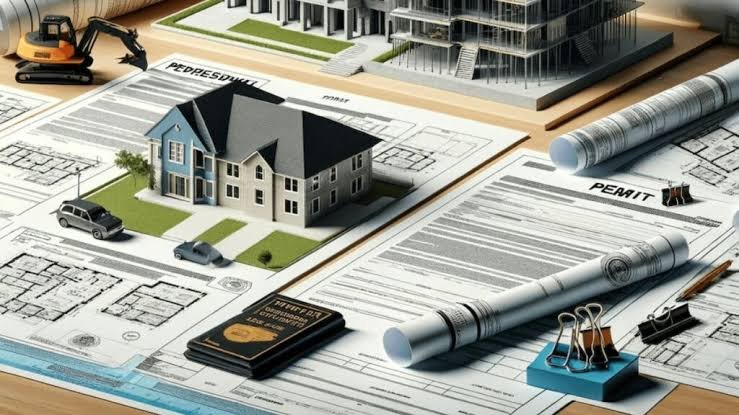
When undertaking any construction project, from small residential homes to large commercial buildings, one of the most critical steps in the process is construction permitting. This essential procedure ensures that every aspect of the project complies with legal requirements, safety codes, and environmental regulations. While some may view permitting as a bureaucratic formality, it is, in reality, a foundational element of project planning and execution that safeguards both the structure and its occupants. Without proper permits, a construction project can face serious legal complications, costly delays, fines, or even the forced removal of completed structures. Understanding the requirements, benefits, and procedures of construction permitting is vital for project owners, contractors, and stakeholders to execute a project successfully, maintain compliance, and ensure long-term safety and quality.
What Construction Permitting Is
Construction permitting is the formal approval process through which regulatory authorities evaluate and authorize a construction project before it begins. The process involves submitting detailed architectural plans, engineering drawings, technical reports, and environmental assessments. The primary purpose of this review is to confirm that the project adheres to established building codes, zoning laws, and safety standards. Permits serve as a legal document that allows construction to proceed under specific conditions, including structural requirements, material standards, inspection schedules, and environmental safeguards. They are not merely a bureaucratic hurdle but a vital mechanism to ensure safety, quality, and compliance. Projects without proper permits risk work stoppages, legal penalties, and safety issues, making construction permitting an indispensable part of responsible building practices.
Types of Construction Permits
The types of construction permitting required vary depending on the scope, scale, and nature of the project. The most common types include building permits, electrical permits, plumbing permits, mechanical permits, environmental permits, and specialty permits. Building permits cover structural modifications, new constructions, and additions, ensuring that the overall design and load-bearing structures comply with regulations. Electrical permits regulate wiring, circuits, and equipment installations to prevent hazards such as fire or malfunction. Plumbing permits ensure that water supply, drainage, and sewage systems meet health and safety requirements. Mechanical permits oversee heating, ventilation, and air conditioning systems to maintain safety, efficiency, and compliance with energy standards. Environmental permits are necessary for projects affecting ecosystems, water bodies, or protected areas, requiring detailed assessments and sustainable construction practices. Specialty permits address unique elements such as elevators, fire suppression systems, swimming pools, or large signage. Understanding the types of permits needed is crucial to ensure that all aspects of a project are legally approved and properly managed.
How to Get a Permit
Obtaining construction permitting requires following a structured and multi-step process that ensures compliance and safety. The first step is comprehensive project planning, which includes developing detailed architectural and engineering plans, construction schedules, and technical assessments. Planning ensures that submitted documents are complete and accurate, reducing the likelihood of delays. The next step is application submission, in which project owners provide all required documentation to the appropriate regulatory authorities. This includes technical drawings, environmental reports, proof of property ownership, and relevant permits for related systems. The application then undergoes a thorough review, during which authorities evaluate compliance with building codes, zoning laws, and safety regulations. Additional clarifications or modifications may be requested to ensure full adherence to legal requirements. Once the review is complete, the construction permit is issued, outlining the conditions under which the project may proceed. During construction, inspections are conducted to ensure that all work aligns with approved plans. Finally, after the project is complete, a final inspection confirms compliance, and a certificate of occupancy or equivalent approval is granted, allowing legal use of the structure. Following these steps ensures that construction is safe, compliant, and legally authorized at every stage.
Why Permitting Matters
The importance of construction permitting cannot be overstated. Permits protect safety by ensuring that structures, systems, and materials meet legal standards and reduce risk to workers and occupants. They provide legal protection, as projects without permits are vulnerable to fines, litigation, or forced suspension. Quality assurance is another major benefit, as permitting requires review of construction methods, materials, and design to meet established standards. Insurance providers often require proof of permits before offering coverage, and environmental regulations enforced through permitting ensure responsible construction practices. Additionally, proper permitting helps prevent unexpected costs by avoiding project delays, redesigns, or fines. In essence, construction permitting is a framework that ensures a project is executed correctly, safely, and sustainably while protecting the interests of all stakeholders involved.
Challenges in Permitting
While essential, construction permitting can be challenging due to complex regulations, lengthy approval times, and coordination requirements. Regulations differ between jurisdictions, and understanding the relevant codes and standards can be complicated, especially for large or multi-use projects. Approval processes may take weeks or months, affecting construction schedules and budgets. Inconsistent interpretations of codes and regulations can lead to requests for additional documentation, further extending timelines. Permit fees may also be significant and should be factored into project budgets. Many projects require approvals from multiple agencies, which can complicate communication and coordination. Successfully navigating these challenges requires careful planning, professional expertise, accurate documentation, and early incorporation of permitting schedules into overall project timelines. By anticipating potential issues, project teams can reduce delays, maintain compliance, and achieve smoother project execution.
Tips for Efficient Permitting
Efficiency in managing construction permitting is achievable through several practical strategies. Hiring experienced professionals such as architects, engineers, or permit expediters can streamline applications and reduce errors. Pre-application consultations offered by regulatory authorities allow stakeholders to identify and address potential issues before submission. Accurate, complete, and organized documentation ensures smoother communication with authorities and reduces delays. Incorporating permitting timelines into the overall project schedule helps prevent setbacks and ensures that inspections and approvals are completed on time. Staying updated on changes to building codes, zoning laws, and regulations is essential to maintain compliance throughout the construction process. By implementing these strategies, project owners and contractors can navigate permitting more efficiently, keeping projects on schedule and within budget while ensuring compliance.
Technology in Permitting
Technology has transformed construction permitting in recent years, making the process more efficient, transparent, and manageable. Many municipalities offer online permit portals that allow project owners and contractors to submit applications, pay fees, and schedule inspections digitally, reducing the need for physical visits. Building Information Modeling (BIM) provides 3D visualizations of projects, enabling precise plan submissions, virtual inspections, and early identification of compliance issues. Automated code compliance tools allow authorities to quickly verify building plans against regulations, minimizing errors and reducing review times. Mobile inspection devices help inspectors document observations, communicate findings, and update records in real-time. These technological advancements simplify the permitting process, improve communication, and enhance transparency, making compliance easier for all parties involved.
Roles of Owners and Contractors
Successful construction permitting depends on effective collaboration between project owners, contractors, and regulatory authorities. Contractors are responsible for executing the project in compliance with permits, coordinating inspections, and maintaining accurate documentation. Project owners provide approvals, ensure access for inspections, and support timely communication. Clear delineation of responsibilities and proactive collaboration help prevent compliance issues, reduce delays, and maintain accountability throughout the construction process. By working together, all parties ensure that the project meets legal, safety, and quality standards while achieving smooth execution.
Conclusion
Proper construction permitting is fundamental to any construction project, providing a framework for safety, compliance, and quality. Despite the challenges of complex regulations, extended timelines, and multi-agency coordination, proactive planning, professional support, and technological tools make the process manageable and efficient. Permits protect legal, financial, and safety interests while promoting responsible construction practices. By understanding and prioritizing construction permitting, project owners and contractors can complete projects confidently, ensuring long-term success, safety, and adherence to all required standards. Every construction endeavor, regardless of scale, benefits from proper permitting, which safeguards the structure, the people who use it, and the investment behind it.