

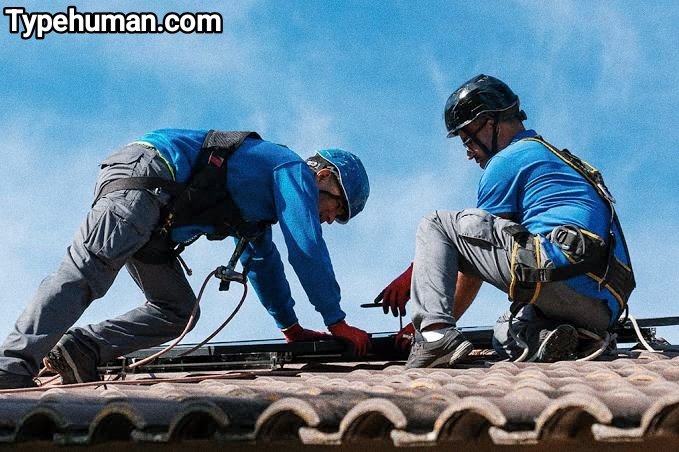
Understanding Residential Roofing and Its Importance
Residential roofing plays a critical role in protecting homes from weather, maintaining energy efficiency, and enhancing curb appeal. It serves as the first line of defense against rain, wind, snow, and UV radiation while contributing to the overall structural integrity of the home. Homeowners often overlook the complexities of residential roofing, assuming it is simply a covering for the house, but the choice of materials, installation techniques, and maintenance strategies all significantly influence a roof’s lifespan and performance. Modern residential roofing systems are designed not only for durability but also for aesthetic appeal, offering homeowners a range of options to suit architectural style, climate conditions, and budget.
Common Materials Used in Residential Roofing
The materials used in residential roofing vary widely, each offering unique benefits and considerations. Asphalt shingles are the most popular choice due to their affordability, ease of installation, and adaptability to different roof shapes. Metal roofing is gaining popularity for its durability, energy efficiency, and low maintenance requirements. Other materials include clay and concrete tiles, which are highly durable but heavier, as well as wood shingles, slate, and synthetic materials that can mimic traditional aesthetics while providing advanced performance. Understanding the advantages and limitations of each material is crucial for homeowners to make informed decisions that balance cost, longevity, and appearance.
Asphalt Shingles
Asphalt shingles are widely favored in residential roofing for their cost-effectiveness and ease of installation. They offer a variety of colors and styles, allowing homeowners to match the roof with the home’s exterior design. Asphalt shingles are relatively lightweight, durable under most weather conditions, and can last 20 to 30 years with proper maintenance. Despite these advantages, they may be more susceptible to damage from extreme wind, hail, or prolonged exposure to UV rays, which can lead to curling, cracking, or granule loss over time.
Metal Roofing
Metal roofing is known for its longevity, with some materials lasting 50 years or more. It is resistant to fire, rot, and insect damage, making it an excellent choice for homeowners seeking long-term durability. Metal roofs reflect sunlight, which can help reduce cooling costs during hot months. However, installation is more complex and often requires professional expertise, and initial costs are higher than those of traditional asphalt shingles.
Clay, Concrete, and Slate Tiles
These heavier roofing options are highly durable and offer a classic aesthetic that can increase property value. Clay and concrete tiles are resistant to fire and weathering, while slate offers a natural, elegant appearance with exceptional longevity. The main considerations for these materials are weight, cost, and the structural support needed to accommodate them safely. Proper installation is critical to prevent leaks, cracking, or tile displacement over time.
Residential Roofing Installation: Key Considerations
Proper installation is one of the most critical factors affecting the lifespan of residential roofing. A poorly installed roof, regardless of material quality, can lead to leaks, structural damage, and reduced energy efficiency. Key considerations include ensuring the roof deck is properly prepared, using appropriate underlayment, correctly aligning shingles or tiles, and adequately sealing roof penetrations such as vents, chimneys, and skylights. Professional installation is highly recommended for most roofing materials, as mistakes can be costly and difficult to repair once the roof is completed.
Maintenance Tips for Long-Lasting Residential Roofing
Regular maintenance is essential for protecting a home’s investment in residential roofing. Homeowners should inspect their roofs at least twice a year and after severe weather events to identify loose, damaged, or missing shingles or tiles. Cleaning debris from gutters and valleys, removing moss or algae, and checking flashing and seals can prevent small issues from becoming major problems. Periodic maintenance not only prolongs the roof’s lifespan but also ensures energy efficiency, reduces repair costs, and maintains the aesthetic appeal of the home.
Common Problems and How to Avoid Them
Residential roofing can experience various issues if not properly maintained or installed. Leaks are among the most common problems, often caused by damaged shingles, poor flashing installation, or clogged gutters. Weather-related damage, such as wind uplift, hail impact, or ice dams, can also compromise the roof’s integrity. Another frequent concern is the growth of moss, algae, or mold, which can trap moisture and accelerate material degradation. Preventive measures, including routine inspections, prompt repairs, and professional cleaning, are essential to mitigate these risks.
Energy Efficiency and Residential Roofing
Modern residential roofing is increasingly designed with energy efficiency in mind. Reflective shingles, metal roofing, and properly ventilated attic spaces can reduce heat absorption and cooling costs. Insulation, combined with high-quality roofing materials, plays a critical role in maintaining indoor temperature, lowering energy bills, and reducing environmental impact. Homeowners who invest in energy-efficient roofing options often see long-term financial benefits while contributing to sustainable living practices.
Choosing the Right Contractor for Residential Roofing
Selecting a skilled and reputable contractor is vital for successful residential roofing projects. Homeowners should research licensing, insurance, customer reviews, and past project examples before hiring a professional. Clear communication about material selection, installation timelines, warranties, and costs ensures that expectations are aligned. Choosing a reliable contractor reduces the likelihood of installation errors, enhances the roof’s longevity, and protects the homeowner’s investment in residential roofing.
The Role of Technology in Modern Residential Roofing
Advancements in roofing technology have transformed the residential roofing industry. Innovations include impact-resistant shingles, synthetic materials that mimic traditional aesthetics, and advanced ventilation systems that improve energy efficiency. Drones and infrared imaging are now used for inspections, allowing for early detection of damage or leaks. These technological improvements not only increase the quality and durability of residential roofing but also provide homeowners with better tools for maintenance and repair planning.
Conclusion: Protecting Your Home with Residential Roofing
Residential roofing is a crucial investment that protects a home, enhances its value, and contributes to energy efficiency and aesthetic appeal. By understanding materials, installation best practices, maintenance strategies, and common issues, homeowners can make informed decisions that maximize the longevity and performance of their roofs. Regular inspections, timely repairs, and professional guidance ensure that residential roofing remains effective and reliable for decades. Incorporating these tips and best practices allows homeowners to safeguard their property while enjoying the full benefits of a well-installed and maintained roof.