

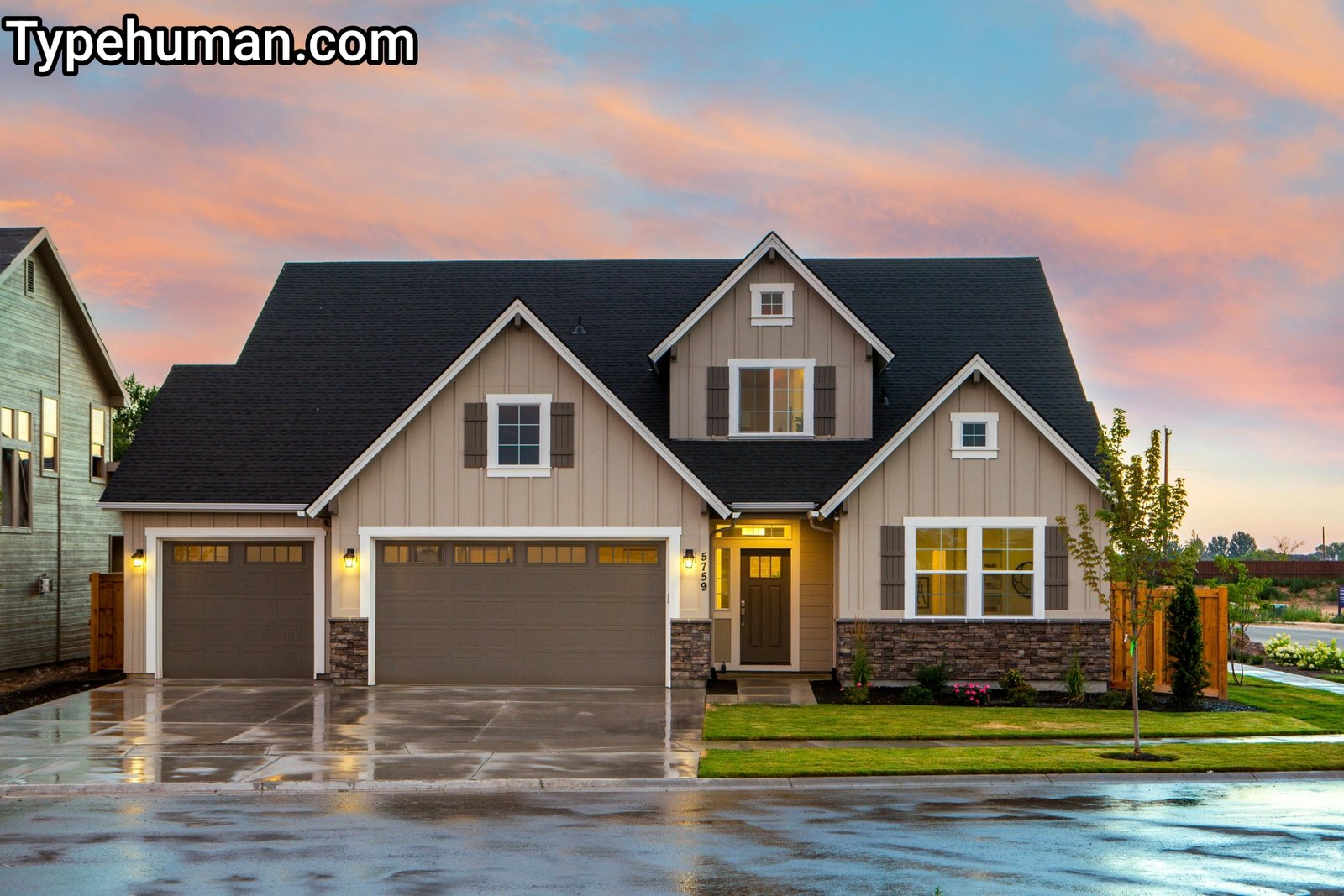
Wood siding has long been celebrated for its natural beauty, durability, and versatility. As homeowners and architects strive to combine aesthetic appeal with functional performance, wood siding continues to be a preferred choice for exterior cladding. Beyond its visual charm, wood siding offers numerous benefits that extend the life of a building while enhancing its overall value, shares Dawson Property Management solutions. This article explores the many facets of wood siding, from its types and installation techniques to maintenance tips and environmental considerations. Whether you are building a new home or renovating an existing one, understanding the unique advantages of wood siding can help you make informed decisions that balance beauty, performance, and sustainability.
Understanding Wood Siding
Wood siding is an exterior material made from natural timber, designed to protect a building from environmental elements while adding visual interest. Unlike synthetic materials, wood siding offers an organic warmth and texture that cannot be easily replicated. The grains, knots, and natural variations in wood provide a unique aesthetic that enhances architectural designs, from traditional cottages to modern minimalist homes. Wood siding is not only a design choice but also a practical solution, as it serves as a barrier against rain, wind, and temperature fluctuations.
One of the most compelling aspects of wood siding is its adaptability. Homeowners can choose from a wide range of wood species, finishes, and profiles, allowing for complete customization. Cedar, pine, redwood, and cypress are among the most popular choices, each offering distinct colors, textures, and durability characteristics. Additionally, wood siding can be painted or stained to suit individual preferences, giving homeowners the flexibility to update the exterior appearance over time without replacing the material.
Types of Wood Siding
Wood siding comes in several forms, each with its own advantages and ideal applications. Understanding these types can help homeowners and builders select the right siding for their needs.
- Clapboard Siding
Clapboard siding, also known as bevel or lap siding, features long, narrow boards installed horizontally with a slight overlap. This design allows water to run off effectively while creating a classic, timeless look. Clapboard siding is particularly popular in traditional American architecture due to its clean lines and ability to highlight craftsmanship. - Shiplap Siding
Shiplap siding consists of wooden boards with a rabbeted edge that allows them to fit snugly together. This tight overlap provides excellent weather resistance while offering a contemporary, streamlined appearance. Shiplap siding is often used in both interior and exterior applications, giving spaces a rustic yet modern aesthetic. - Board and Batten Siding
Board and batten siding features wide boards installed vertically with narrower strips (battens) covering the seams. This style emphasizes vertical lines and can make buildings appear taller. It also provides enhanced structural stability, as the battens add an extra layer of protection against moisture infiltration. - Tongue and Groove Siding
Tongue and groove siding involves boards that interlock with each other using a tongue on one side and a groove on the other. This type of siding ensures a tight fit and is ideal for areas with harsh weather conditions, as it minimizes gaps and reduces air infiltration.
Benefits of Wood Siding
The popularity of wood siding is not merely due to its aesthetic appeal; it also offers numerous practical advantages. These benefits make it a worthwhile investment for homeowners looking for long-term performance and visual enhancement.
- Aesthetic Versatility
Wood siding provides unparalleled aesthetic flexibility. The variety of wood species, finishes, and installation styles allows homeowners to achieve virtually any architectural look. Whether aiming for a rustic cabin feel or a sleek modern design, wood siding can be tailored to complement the overall vision. - Durability and Longevity
With proper maintenance, wood siding can last for decades. High-quality species like cedar and redwood naturally resist decay, insects, and moisture. Modern treatments and sealants further enhance durability, protecting the wood from environmental damage while maintaining its natural beauty. - Insulation and Energy Efficiency
Wood is a natural insulator, offering better thermal performance compared to many synthetic materials. Wood siding helps regulate indoor temperatures by reducing heat transfer, which can result in lower energy costs. This property makes it an environmentally friendly choice as well, contributing to sustainable living practices. - Eco-Friendliness
Wood siding is a renewable resource, particularly when sourced from responsibly managed forests. Unlike vinyl or aluminum siding, which are derived from petroleum or metal processing, wood siding has a smaller environmental footprint. Additionally, it is biodegradable and can be recycled or repurposed at the end of its life cycle. - Value Addition
Homes with wood siding often command higher resale value due to the material’s natural beauty and durability. Its timeless appeal and ability to blend with various architectural styles make it an attractive selling point for prospective buyers. Moreover, regular maintenance and protective coatings can preserve the siding’s appearance for years, enhancing long-term investment value.
Maintenance of Wood Siding
Although wood siding is durable, proper maintenance is essential to ensure it remains in excellent condition. Neglecting maintenance can lead to issues such as warping, cracking, or rot. Here are some recommended practices:
- Regular Cleaning
Dirt, mold, and mildew can accumulate on wood siding, potentially compromising its appearance and integrity. Periodic cleaning using a gentle detergent and water, or a pressure washer on a low setting, helps maintain its aesthetic appeal and prevents long-term damage. - Sealing and Staining
Applying a protective sealant or stain enhances water resistance and preserves the natural color of the wood. Staining also prevents fading caused by ultraviolet rays. Depending on the climate and exposure, homeowners should consider resealing or re-staining every few years. - Inspection for Damage
Regular inspections help identify early signs of damage, such as cracks, splits, or insect infestations. Addressing these issues promptly prevents more serious problems that may require extensive repairs or siding replacement. - Proper Ventilation
Ensuring adequate ventilation behind the siding is crucial to prevent moisture buildup, which can lead to rot and mold growth. Installing a moisture barrier or house wrap beneath the siding improves longevity and enhances energy efficiency.
Wood Siding in Contemporary Architecture
While wood siding is often associated with traditional architecture, it has also found a place in modern and contemporary designs. Minimalist homes, eco-friendly structures, and luxury properties increasingly incorporate wood siding for both functional and aesthetic purposes. Its natural texture contrasts beautifully with metal, glass, and concrete, adding warmth and character to sleek, contemporary lines.
Architects are also experimenting with mixed siding techniques, combining wood with other materials to create visually striking exteriors. For example, pairing wood siding with stone or fiber cement can result in a dynamic façade that highlights texture, color, and depth. This approach allows homeowners to enjoy the timeless charm of wood while benefiting from the durability of complementary materials.
Cost Considerations
The cost of wood siding varies depending on the wood species, thickness, finish, and installation method. While wood siding can be more expensive upfront than vinyl or aluminum, it often proves cost-effective over time due to its longevity and energy efficiency. Additionally, the potential increase in property value and curb appeal can offset initial expenditures.
Homeowners should also factor in maintenance costs, including periodic staining, sealing, and cleaning. Investing in high-quality materials and professional installation reduces the likelihood of early deterioration, making wood siding a sustainable and cost-effective choice in the long run.
Environmental and Sustainability Factors
As environmental awareness grows, many homeowners are seeking sustainable building materials. Wood siding aligns well with eco-conscious construction practices. Responsible sourcing from certified forests ensures that harvesting does not deplete natural resources. Moreover, wood stores carbon throughout its lifespan, contributing to reduced greenhouse gas emissions.
Advances in wood treatments and finishes have further enhanced sustainability. Non-toxic stains and sealants minimize environmental impact while maintaining the material’s protective properties. Recycling and repurposing wood siding at the end of its life cycle also reduce waste and promote circular economy practices.
Conclusion
Wood siding remains a timeless, versatile, and environmentally friendly choice for homeowners seeking a blend of beauty and functionality. From its rich aesthetic appeal and adaptability to its insulating properties and long-term durability, wood siding offers benefits that few other materials can match. Proper selection, installation, and maintenance ensure that this classic material continues to protect and enhance homes for decades.
Whether you are drawn to the rustic charm of cedar clapboards, the sleek lines of shiplap, or the vertical elegance of board and batten, wood siding provides endless design possibilities. Its natural warmth, texture, and resilience make it a standout choice in both traditional and contemporary architecture. By investing in quality materials and attentive care, homeowners can enjoy the enduring beauty and practical advantages of wood siding for generations to come.