

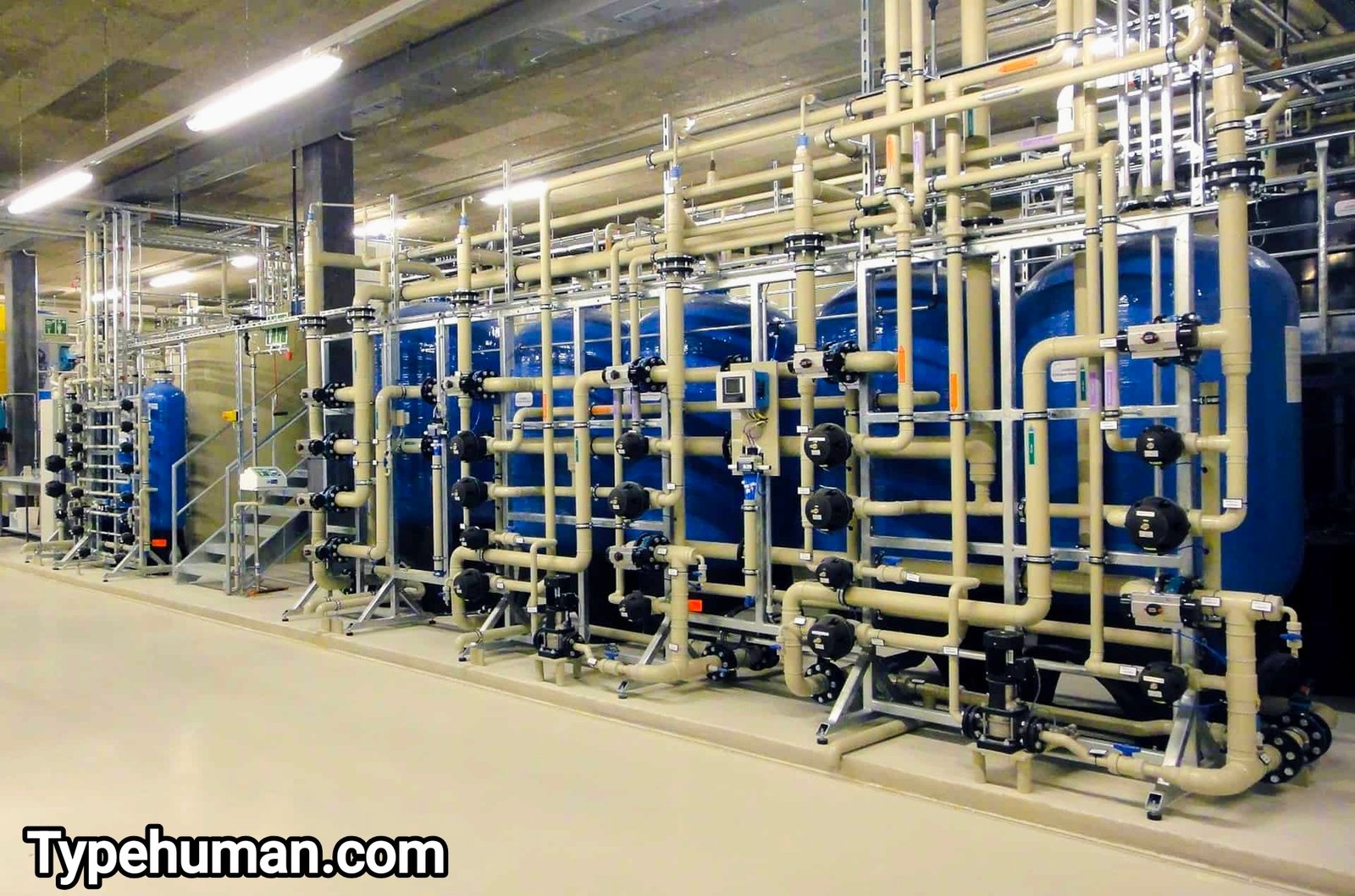
Water is a critical resource for businesses across many sectors, including manufacturing, hospitality, healthcare, food processing, and large office facilities. The quality of water used in daily operations has a direct impact on efficiency, safety, equipment performance, and regulatory compliance. Untreated or poorly managed water can lead to scaling, corrosion, microbial growth, and system failures, resulting in increased costs and operational disruptions. This makes commercial water treatment an essential component of responsible and efficient business management.
Commercial water treatment refers to the process of improving water quality to meet the specific needs of commercial and industrial systems. Unlike residential water systems, commercial applications involve larger volumes of water, more complex infrastructure, and stricter quality requirements. Effective treatment ensures water is safe, consistent, and suitable for its intended use while protecting equipment and supporting long-term operational stability.
Why Water Quality Matters for Commercial Facilities
Water quality affects nearly every aspect of a commercial facility’s operation. In industrial environments, untreated water can damage machinery, clog pipes, and reduce the efficiency of cooling and heating systems. In service-based businesses, water quality influences hygiene standards, customer experience, and employee well-being. Even minor impurities in water can lead to significant long-term consequences if left unaddressed.
Poor water quality often results in mineral buildup, bacterial contamination, and chemical imbalances. These issues can shorten the lifespan of equipment, increase maintenance costs, and cause unexpected downtime. Implementing a reliable commercial water treatment strategy allows businesses to maintain consistent water quality and avoid these common operational risks.
Common Water Challenges in Commercial Systems
Commercial facilities frequently encounter water-related challenges due to the scale and intensity of usage. Hard water is one of the most common issues, caused by high concentrations of calcium and magnesium. Over time, these minerals form scale inside pipes, boilers, and heat exchangers, reducing efficiency and increasing energy consumption.
Another challenge is the presence of sediments and particulate matter, which can clog filtration systems and damage sensitive components. Chemical contaminants such as chlorine, dissolved metals, and organic compounds may affect water taste, odor, and performance in production processes. Microbial growth, including bacteria and algae, poses serious health and safety risks if not properly controlled. Addressing these challenges requires a comprehensive and well-designed treatment approach.
How Commercial Water Treatment Systems Work
Commercial water treatment systems are designed to address specific water quality concerns through a combination of physical, chemical, and biological processes. The treatment process often begins with filtration to remove suspended solids and sediments. This initial step protects downstream equipment and improves overall system efficiency.
Chemical treatment is commonly used to control scaling, corrosion, and microbial growth. By adjusting pH levels and adding targeted inhibitors or disinfectants, water chemistry can be balanced to prevent damage and contamination. Advanced treatment methods such as reverse osmosis and membrane filtration remove dissolved solids and impurities, producing high-purity water for sensitive applications.
Disinfection plays a crucial role in ensuring water safety, particularly in systems where water comes into contact with people or products. Technologies such as ultraviolet treatment effectively eliminate harmful microorganisms without altering water chemistry. Together, these processes form a complete commercial water treatment solution tailored to operational requirements.
Benefits of Commercial Water Treatment for Businesses
One of the most significant benefits of commercial water treatment is improved equipment performance and longevity. By preventing scale formation and corrosion, treated water reduces wear and tear on plumbing systems, boilers, and cooling towers. This leads to fewer breakdowns, lower maintenance costs, and extended equipment life.
Health and safety improvements are another major advantage. Properly treated water minimizes the risk of waterborne illnesses and bacterial contamination, helping businesses meet health standards and protect employees and customers. In industries where water quality directly affects products, such as food production or pharmaceuticals, consistent treatment ensures quality control and regulatory compliance.
Energy efficiency also improves with effective water treatment. Clean, properly balanced water allows heating and cooling systems to operate at optimal efficiency, reducing energy consumption and operating expenses. Over time, these savings can significantly offset the cost of implementing and maintaining a treatment system.
Regulatory Compliance and Risk Management
Many commercial operations are subject to strict water quality regulations and industry standards. Failure to meet these requirements can result in fines, legal action, or operational shutdowns. Implementing a reliable commercial water treatment program helps businesses remain compliant and reduces regulatory risk.
Consistent monitoring and documentation of water quality are essential components of compliance. Treatment systems equipped with monitoring tools allow businesses to track performance, detect issues early, and demonstrate adherence to standards during inspections. This proactive approach to water management supports long-term operational security.
Sustainability and Environmental Responsibility
Sustainability is becoming increasingly important in modern business operations. Water treatment plays a key role in reducing environmental impact by minimizing water waste and improving efficiency. Treated water can often be reused within systems, reducing overall consumption and conserving valuable resources.
Advanced treatment technologies also reduce the need for excessive chemical usage, lowering the environmental footprint of commercial facilities. By investing in sustainable commercial water treatment solutions, businesses demonstrate environmental responsibility while benefiting from improved efficiency and cost savings.
Maintenance and System Management
Effective commercial water treatment requires ongoing maintenance and management. Regular testing ensures water quality remains within desired parameters, while routine inspections help identify potential issues before they become serious problems. Filters, membranes, and chemical dosing systems must be maintained according to manufacturer guidelines to ensure consistent performance.
Staff training is another important aspect of system management. Employees responsible for monitoring and maintaining treatment systems should understand how they work and how to respond to changes in water quality. A well-maintained system delivers reliable results and protects the business from unexpected disruptions.
Technological Advancements in Commercial Water Treatment
Technology continues to transform commercial water treatment through automation, smart monitoring, and data-driven management. Modern systems can automatically adjust treatment processes based on real-time water quality data, improving efficiency and reducing manual intervention.
Remote monitoring and analytics allow businesses to track performance trends, predict maintenance needs, and optimize system operation. These advancements improve reliability while lowering operating costs and supporting sustainable water management practices.
Long-Term Value of Commercial Water Treatment
The long-term value of commercial water treatment extends beyond immediate operational benefits. By protecting infrastructure, improving efficiency, and ensuring compliance, treatment systems contribute to business resilience and growth. Clean and reliable water supports productivity, enhances reputation, and creates a safer environment for everyone involved.
As water resources face increasing pressure, effective treatment becomes not just a practical necessity but a strategic investment. Businesses that prioritize water quality are better positioned to adapt to changing regulations, environmental challenges, and operational demands.
Conclusion
Commercial water treatment is a vital element of modern business operations, supporting efficiency, safety, and sustainability. From protecting equipment and ensuring regulatory compliance to improving energy performance and environmental responsibility, its benefits are extensive. Poor water quality can lead to costly problems, while a well-designed treatment system provides stability and long-term value.
By understanding the importance of water quality and investing in appropriate treatment solutions, businesses can safeguard their operations and support sustainable growth. Implementing effective commercial water treatment is not just about managing water but about building a reliable foundation for operational success.
 hamza seo