

When it comes to maintaining a beautiful and functional outdoor space, the removal of tree stumps is a crucial but often overlooked aspect of landscape management. Left unattended, tree stumps can pose a variety of problems ranging from safety hazards to aesthetic concerns. Among the different methods available for stump removal, stump grinding has emerged as one of the most efficient, environmentally friendly, and cost-effective solutions. This article explores the concept of stump grinding in depth, examining its techniques, benefits, considerations, and the impact it can have on the overall health and appearance of your property, notes leading property management Vista CA company, Uplift Property Management.
Tree stumps, regardless of size or species, can be more than just an eyesore. They often interfere with mowing, landscaping, and other outdoor activities. Additionally, stumps left to decay naturally may attract insects, fungi, and other pests, which can spread to nearby plants or trees. This makes effective removal not just a matter of aesthetics but also of safety and long-term landscape health. Among the removal options available, including chemical treatments, manual digging, or complete extraction, stump grinding provides a balance between efficiency, cost, and minimal disruption to the surrounding environment.
Understanding Stump Grinding
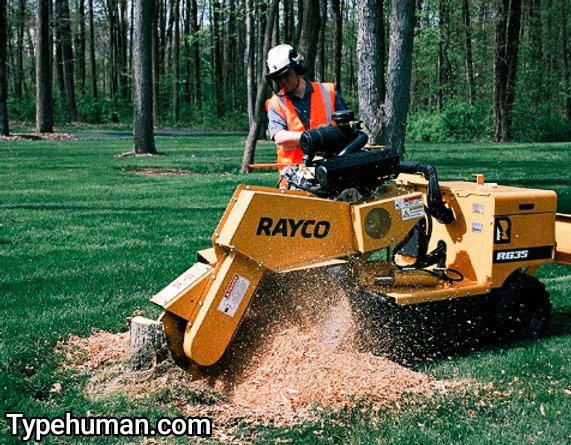
Stump grinding is a mechanical process that involves the use of a specialized machine known as a stump grinder. This powerful tool is equipped with a rotating cutting wheel designed to chip away wood and reduce the tree stump to small, manageable wood chips or mulch. Unlike manual removal, which requires extensive labor and time, stump grinding allows for rapid elimination of the stump while leaving the surrounding soil largely intact.
The process begins with a careful assessment of the stump, including its size, wood type, root depth, and proximity to other structures or plants. Once the assessment is complete, the stump grinder is positioned, and the cutting wheel is gradually applied to grind the stump down below the surface of the surrounding soil. Depending on the stump’s size, this process can take anywhere from a few minutes to several hours, but the result is a level surface that can easily be repurposed for planting, landscaping, or other outdoor projects.
One of the advantages of stump grinding over complete stump removal is that it is less disruptive to the surrounding landscape. Excavating a stump manually or mechanically can disturb soil, damage nearby roots, and require significant backfilling and leveling afterward. Stump grinding, by contrast, focuses solely on the stump itself, leaving most of the surrounding area intact and reducing the need for extensive restoration work.
Benefits of Stump Grinding
The benefits of stump grinding extend beyond simple aesthetics. First and foremost, removing a stump using this method improves safety. Exposed stumps are tripping hazards, especially in areas frequented by children, pets, or elderly individuals. They can also obstruct pathways, interfere with mowing equipment, and create an uneven surface that may contribute to injuries.
Another significant benefit is the prevention of pest infestations. Decaying stumps attract insects such as termites, ants, and beetles, as well as fungi that can damage nearby trees and plants. By grinding the stump, homeowners can eliminate these potential breeding grounds and protect their landscape from further damage. In addition, the mulch produced during the grinding process can be repurposed as organic material for gardens or flower beds, promoting soil health and reducing the need for purchased mulch.
Stump grinding also allows for efficient space utilization. Once a stump is ground down, the area can be used for a variety of purposes, such as planting new trees or shrubs, creating a garden, installing a patio, or simply leveling the ground for aesthetic purposes. This flexibility is particularly valuable for those who are looking to redesign or enhance their outdoor space without the limitations imposed by lingering tree stumps.
Considerations Before Stump Grinding
Despite its many advantages, there are important considerations to take into account before pursuing stump grinding. One of the primary factors is the type of wood and size of the stump. Hardwoods, for instance, are denser and require more time and effort to grind compared to softer woods. Very large stumps may require specialized machinery or multiple passes to fully grind them down. Understanding the characteristics of the stump in question is critical for planning the process and ensuring effective results.
Another consideration is the presence of underground utilities, such as water lines, gas lines, or electrical cables. Before grinding a stump, it is essential to verify that there are no hidden hazards in the vicinity that could be damaged during the process. Contacting utility services or conducting a careful site inspection is a necessary step to avoid accidents or costly repairs.
Safety is also paramount when operating or overseeing stump grinding. The equipment is powerful and capable of causing serious injury if misused. Protective gear, including gloves, safety goggles, and sturdy footwear, is essential. Maintaining a safe distance from the grinding area and following manufacturer guidelines for machine operation ensures that the process is conducted safely. For those unfamiliar with the equipment, hiring a professional service can mitigate risk and guarantee that the job is completed efficiently.
Environmental Impact and Sustainability
Stump grinding is often considered an environmentally responsible option compared to chemical stump removal methods. Unlike chemical treatments, which can leach into the soil and affect nearby plants, stump grinding relies purely on mechanical action. Additionally, the wood chips produced can be recycled as mulch, which enriches soil, conserves moisture, and reduces the need for artificial fertilizers. This sustainable approach contributes to the overall health of the landscape while minimizing waste.
Furthermore, because stump grinding leaves the majority of the root system in place, it can help maintain soil stability. Completely uprooting a stump can lead to soil erosion, particularly on sloped terrain, whereas grinding minimizes disruption to the soil structure. This is an important consideration for areas prone to heavy rainfall or other environmental stresses.
When to Choose Stump Grinding
Stump grinding is particularly suitable in several scenarios. For example, when a tree has been recently removed and the stump presents a tripping hazard or interferes with landscaping plans, grinding offers a quick and effective solution. It is also ideal for homeowners looking to replant in the same location, as the process clears the area efficiently without removing large amounts of soil.
In addition, property owners who want to improve aesthetics without extensive excavation often prefer stump grinding. It allows for a clean, level surface and facilitates the use of the area for alternative purposes. In urban or suburban settings, where space is limited and landscape design is a priority, stump grinding can provide a practical and visually appealing solution.
Conclusion
In conclusion, stump grinding represents a modern, efficient, and environmentally conscious approach to tree stump removal. By understanding its techniques, benefits, and necessary precautions, property owners can make informed decisions that enhance the safety, functionality, and appearance of their outdoor spaces. From preventing pest infestations to improving accessibility and allowing for creative landscaping, the advantages of stump grinding extend far beyond mere aesthetics. Whether approached as a DIY project with appropriate equipment and safety measures or handled by professional services, stump grinding ensures that tree stumps are no longer a problem but an opportunity to improve and enjoy a beautiful, functional, and sustainable landscape.
By integrating stump grinding into regular landscape maintenance, homeowners and property managers can address both immediate concerns and long-term goals, ensuring that outdoor spaces remain safe, attractive, and environmentally responsible. The investment in this process pays dividends in terms of usability, safety, and overall landscape health, making stump grinding a crucial consideration for anyone serious about maintaining a high-quality outdoor environment.