

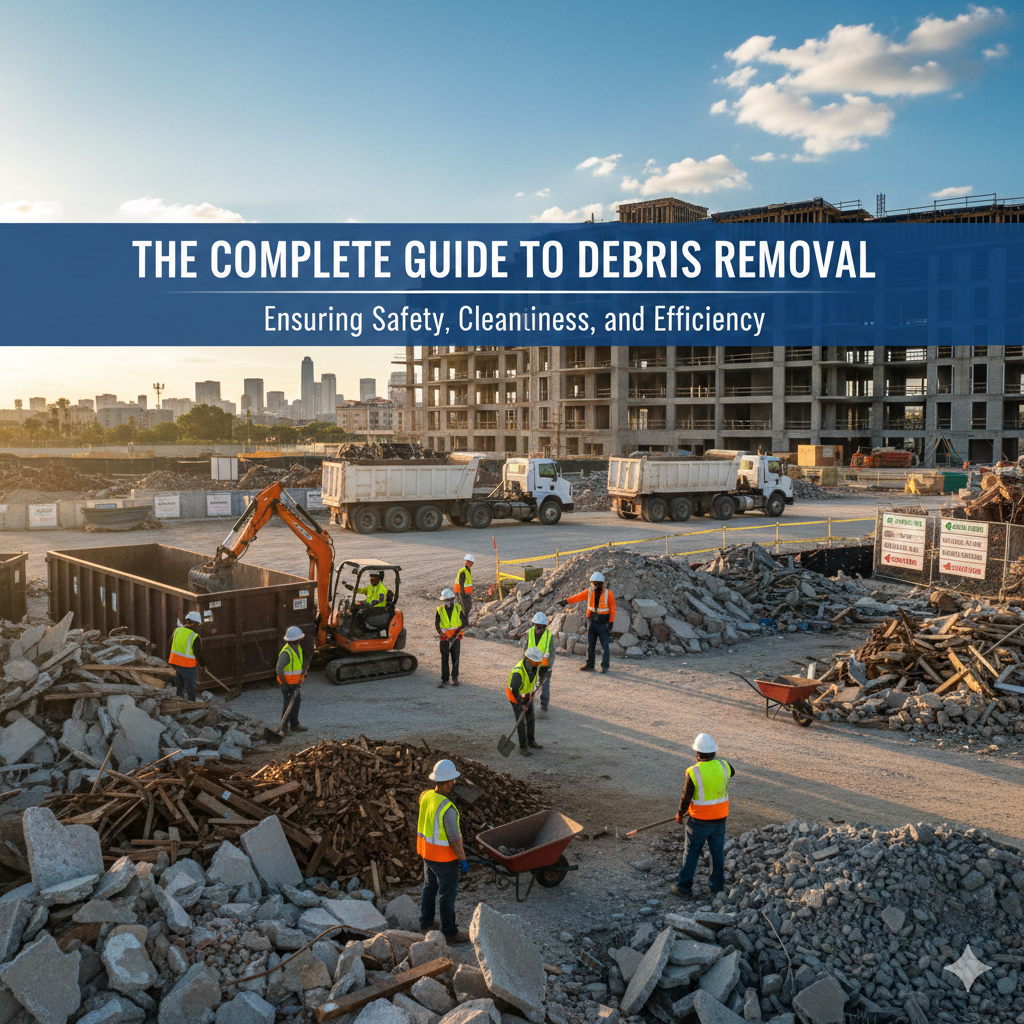
Understanding the Importance of Debris Removal
Maintaining a clean and safe environment is essential for both residential and commercial properties. Debris accumulation, whether it results from seasonal changes, storms, construction projects, or routine neglect, can create hazards, obstruct activities, and significantly reduce the appeal of any property. This is why debris removal is a critical aspect of property management. Proper removal not only enhances the visual appearance of your property but also prevents structural damage, supports environmental sustainability, and ensures the safety of occupants and visitors.
Debris can take many forms, ranging from leaves, branches, and grass clippings to construction waste, broken appliances, and storm-damaged materials. Organic debris, such as leaves and grass, may decompose naturally, but if left unattended, it can clog drains, attract pests, and create slippery surfaces. Construction waste, including wood, metal, concrete, and bricks, often requires specialized equipment for safe removal and disposal. Household waste, such as old furniture or electronic items, needs proper handling to comply with waste management regulations. Storm debris, including fallen branches, roof materials, and other scattered items, may demand urgent action to mitigate safety hazards and prevent further property damage. Recognizing the type and volume of debris is the first step toward effective and efficient removal.
Common Sources and Types of Debris
Debris can originate from multiple sources, each with unique challenges. Organic debris, like leaves, grass clippings, and branches, tends to accumulate in yards and gardens, particularly during seasonal transitions. While it may seem harmless, organic waste can attract insects, block drainage systems, and increase fire hazards if not removed. Construction debris is often generated during renovations, demolitions, or large-scale building projects. This type of debris is usually bulky, heavy, and sometimes hazardous, requiring careful handling and proper disposal methods. Household or electronic waste, including furniture, appliances, and broken gadgets, adds to the clutter and may require specialized disposal due to environmental regulations. Finally, storm debris is unpredictable and can include fallen trees, roofing material, and scattered loose items, often creating urgent cleanup needs. Understanding these categories allows property owners to plan for removal methods, tools, and timing effectively.
Methods and Approaches for Debris Removal
The method of debris removal depends largely on the type, size, and volume of waste present. For small-scale residential cleanup, manual removal using tools such as rakes, shovels, and wheelbarrows can be effective. This approach allows for careful sorting of materials into recyclable, compostable, or disposable categories. It is labor-intensive but suitable for managing everyday yard waste.
For larger debris, such as fallen trees or construction waste, equipment-based removal is often necessary. Machinery like chainsaws, leaf blowers, lawn vacuums, skid-steer loaders, and trucks can greatly enhance efficiency and reduce the risk of injury. These tools allow property owners or contractors to handle heavy or hazardous materials safely and quickly.
Professional debris removal services provide another effective approach, particularly for large-scale or hazardous cleanup projects. Professionals bring expertise, experience, and specialized equipment to manage significant volumes of waste. They ensure safe handling, proper disposal, and compliance with local environmental regulations. Whether dealing with storm aftermaths, construction debris, or bulky household items, professional services provide peace of mind and efficiency that manual or equipment-based removal alone may not achieve.
Benefits of Timely Debris Removal
Regular and timely debris removal provides numerous benefits beyond simple cleanliness. Safety is one of the primary advantages. Accumulated debris can create tripping hazards, obstruct pathways, and conceal sharp or dangerous objects. In commercial or industrial settings, unmanaged debris can lead to workplace accidents, operational disruptions, and regulatory violations. Prompt removal minimizes these risks, creating safer environments for employees, residents, and visitors alike.
Aesthetics is another significant benefit. Clean, uncluttered spaces enhance property value, create positive impressions on visitors, and contribute to a professional or well-maintained appearance. Additionally, responsible debris removal supports environmental sustainability. Sorting and recycling materials reduces landfill waste, promotes sustainable practices, and helps maintain compliance with environmental regulations. Preventing property damage is another advantage; debris can block gutters, drains, and other systems, leading to erosion, water damage, or pest infestations if left unchecked. Overall, effective debris removal safeguards property health, functionality, and visual appeal.
Environmental Considerations in Debris Management
Modern debris removal emphasizes minimizing environmental impact. Not all debris should be sent to a landfill. Organic waste, such as leaves and branches, can be composted to enrich soil, while metals, plastics, and other construction materials can often be recycled or repurposed. By adopting environmentally responsible debris removal practices, property owners conserve resources, reduce waste, and contribute to sustainability initiatives. Furthermore, compliance with local environmental regulations ensures that debris removal practices avoid legal penalties and support broader community health and safety.
Safety Precautions During Debris Removal
Safety is paramount in any debris removal project. Gloves, protective eyewear, and appropriate clothing should be worn to prevent injury from sharp objects or hazardous materials. Proper lifting techniques and the safe operation of machinery are essential to avoid physical strain or accidents. Electrical hazards, such as fallen wires or exposed circuits, should only be handled by trained professionals, while children and pets should be kept away from cleanup areas. By following safety protocols and industry best practices, debris removal can be conducted efficiently, minimizing risk to people and property.
Planning and Cost Considerations
The cost of debris removal varies depending on the scale of the task, the type of materials involved, and whether professional services are engaged. Manual cleanup for small residential debris is relatively inexpensive, primarily requiring basic tools and labor. In contrast, larger projects, such as clearing construction sites or storm-damaged areas, often involve machinery, trucks, and skilled personnel, resulting in higher costs. Despite this, investing in regular debris removal is more cost-effective than allowing debris to accumulate, which can lead to expensive property damage, increased labor needs, and potential legal issues. Planning ahead, including scheduling cleanup during high-risk seasons or after large projects, ensures debris management remains manageable and budget-friendly.
Choosing a Reliable Debris Removal Service
Selecting the right debris removal service is crucial for effective property management. Property owners should consider the company’s experience and expertise, particularly with the type of debris present. Access to appropriate equipment, environmentally responsible disposal practices, and adherence to local regulations are also key factors. Reviewing customer testimonials and ensuring transparency in pricing further ensures reliable service. By choosing a reputable provider, property owners can achieve thorough, safe, and compliant debris removal without unnecessary stress or delays.
Conclusion
Effective debris removal is a critical component of maintaining a safe, functional, and visually appealing property. Timely and thorough removal prevents accidents, safeguards structures, supports sustainability, and enhances operational efficiency. Whether conducted manually, with specialized equipment, or through professional services, prioritizing debris management ensures that properties remain clean, safe, and efficient. Property owners who adopt a proactive approach to debris removal address immediate concerns while protecting the long-term value, safety, and aesthetics of their property. By understanding the types of debris, appropriate removal methods, and the importance of safety and environmental responsibility, individuals and organizations can create spaces that are both practical and enjoyable for all occupants.
 Qasim Bhai