

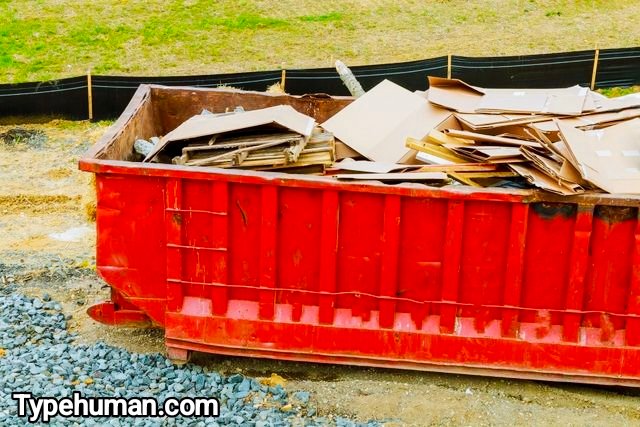
Large-scale construction projects generate a significant amount of waste, from concrete and wood to drywall, metal, and packaging materials. Managing this waste efficiently is critical to maintaining a safe, organized, and environmentally responsible site. This is where construction dumpster rental becomes an essential solution. Offering convenience, flexibility, and professionalism, construction dumpster rentals streamline the cleanup process, reduce labor, and ensure compliance with waste disposal regulations. In this guide, we explore the benefits, types, considerations, and best practices for using construction dumpsters, providing a comprehensive resource for contractors, builders, and property managers.
What is Construction Dumpster Rental?
Construction dumpster rental refers to the temporary provision of large, durable containers specifically designed to handle construction and demolition waste. These dumpsters are delivered directly to the construction site, allowing workers to deposit debris in a centralized location. Once the container is full or the project reaches a milestone, the rental company collects it and disposes of the contents properly.
Unlike standard waste management services, construction dumpster rental is tailored for high-volume projects where traditional waste collection methods are insufficient. These dumpsters are built to handle heavy materials, sharp objects, and bulky debris, making them ideal for both residential renovations and commercial construction sites.
Benefits of Construction Dumpster Rental
Using construction dumpster rental provides numerous advantages, beginning with efficiency and convenience. Rather than transporting debris multiple times to landfills or relying on smaller trash pickups, construction dumpsters consolidate waste into a single, accessible container. This centralization saves time and reduces the labor needed for cleanup.
Safety is another major benefit. Construction sites often have sharp materials, heavy debris, and scattered objects that pose hazards to workers. With a construction dumpster on-site, waste is contained, minimizing the risk of accidents and keeping the work environment safer for everyone.
Construction dumpster rental also supports environmental responsibility. Many rental companies sort and recycle materials such as metals, wood, and concrete, diverting waste from landfills and promoting sustainability. Additionally, reducing trips to disposal facilities lowers fuel consumption and greenhouse gas emissions, further reducing the environmental impact.
Another advantage is flexibility. Construction dumpsters come in a variety of sizes, from small 10-yard containers for minor projects to massive 40-yard units suitable for large-scale demolitions or commercial projects. Rental periods can also be adjusted to match the project’s timeline, ensuring that containers are available when needed and removed promptly once the job is complete.
Types of Construction Dumpsters
Construction dumpsters are available in various sizes and designs to meet different project requirements:
- Roll-Off Dumpsters: The most common type, roll-off dumpsters are ideal for construction and demolition projects. They feature wheels for easy placement and removal and come in sizes ranging from 10 to 40 cubic yards.
- Front-Load Dumpsters: Typically used for businesses generating daily waste, front-load dumpsters are emptied using a truck with hydraulic arms. They are suitable for commercial construction projects that require ongoing waste management.
- Rear-Load Dumpsters: Smaller in size, rear-load dumpsters are often used for light construction projects or property cleanouts. They are emptied from the rear, making them suitable for locations with limited space.
- Specialty Recycling Dumpsters: Some construction dumpster rentals include containers designed specifically for recyclable materials, such as metal, wood, or cardboard. These support environmentally responsible practices and can reduce disposal costs.
Applications of Construction Dumpster Rental
Construction dumpster rental is suitable for a wide range of projects, from small renovations to large-scale construction. Home remodeling projects, such as kitchen or bathroom renovations, often generate more debris than standard trash bins can handle. Renting a construction dumpster ensures that waste is managed efficiently, keeping the site clean and organized.
Demolition projects, including tearing down walls, removing roofing, or clearing old structures, produce large volumes of heavy debris. A construction dumpster provides a centralized location to dispose of these materials safely and effectively.
Commercial construction sites also benefit from construction dumpster rental. From office buildings to industrial facilities, managing debris on-site is crucial for maintaining safety, efficiency, and regulatory compliance. Construction dumpsters allow project managers to streamline cleanup and focus on the core tasks of the project.
Landscaping and outdoor construction projects, including excavation, tree removal, and hardscape installation, generate significant waste. Construction dumpsters make it easy to dispose of soil, rocks, branches, and other organic materials while keeping the site accessible and safe for workers.
How to Choose the Right Construction Dumpster
Selecting the right construction dumpster rental involves several key considerations:
Project Size and Debris Type: Estimate the volume and type of waste your project will generate. Smaller projects may only require a 10- or 20-yard dumpster, while major construction or demolition projects may need 30- or 40-yard containers.
Weight Limits: Construction dumpsters have weight restrictions, and exceeding them can result in additional fees. Heavy materials, such as concrete or asphalt, require dumpsters designed to handle high weight capacities.

Rental Duration: Align the rental period with your project timeline. Short-term rentals may suffice for minor renovations, while larger projects may require a container for several weeks.
Placement and Accessibility: Ensure the delivery location is flat, stable, and accessible for the truck. If placing the dumpster on public property, such as a street, you may need permits. Reputable rental companies often assist with permit acquisition to simplify compliance.
Service Provider Reputation: Choose a provider with a track record of reliable delivery, timely pickup, and proper disposal practices. A trustworthy company ensures that your construction debris is handled safely and responsibly.
Best Practices for Construction Dumpster Rental
Maximizing the efficiency of a construction dumpster rental involves several best practices:
Segregate Waste: Separate recyclable materials from general debris to reduce disposal costs and promote sustainability. Avoid placing hazardous materials, such as chemicals or batteries, in the dumpster.
Load Evenly: Distribute heavy materials at the bottom and lighter items on top to maintain balance and maximize space. Avoid overfilling to prevent spillage and safety hazards.
Maintain a Clear Area: Keep the area around the dumpster free of obstacles. This ensures easy access for workers and allows the pickup truck to remove the container efficiently.
Monitor Fill Levels: Regularly check the dumpster’s fill level to avoid exceeding weight limits or rental agreements. Schedule pickups in a timely manner to prevent overflow and maintain a clean site.
Environmental Considerations
Construction dumpster rental promotes environmentally responsible waste management. Reputable companies often sort and recycle materials, diverting wood, metal, concrete, and cardboard from landfills. Reducing trips to disposal facilities lowers fuel consumption and greenhouse gas emissions, contributing to sustainability.
Selecting a construction dumpster rental provider committed to environmentally friendly practices enhances the positive impact of your project. Recycling materials not only supports ecological responsibility but may also reduce disposal costs and comply with local regulations.
Challenges and Solutions
While construction dumpster rental is highly convenient, challenges can arise if not managed properly. Limited space at the job site can complicate delivery and placement, requiring careful planning. Rental fees may vary based on container size, weight, rental duration, and waste type, so obtaining multiple quotes ensures competitive pricing.
Proper waste segregation is crucial to avoid additional fees or regulatory violations. Educating workers on what materials are permitted and maintaining organized loading practices can mitigate these issues. Working with a reliable rental company ensures guidance and support throughout the project.
Conclusion
Construction dumpster rental is an invaluable resource for managing large-scale waste efficiently, safely, and responsibly. By providing centralized waste collection, these containers simplify cleanup, improve project organization, and support environmental sustainability.
Understanding the types, sizes, applications, and best practices of construction dumpster rental ensures that projects run smoothly and cost-effectively. Choosing the right container, monitoring weight limits, and coordinating with a reputable provider allows homeowners, contractors, and businesses to maintain safe, clean, and well-organized construction sites.
For any project that generates significant debris, construction dumpster rental offers a practical, professional, and eco-friendly solution, streamlining waste management while allowing teams to focus on the core objectives of construction, renovation, or cleanup. By investing in the right dumpster and following best practices, every construction project can benefit from a cleaner, safer, and more organized workspace.