

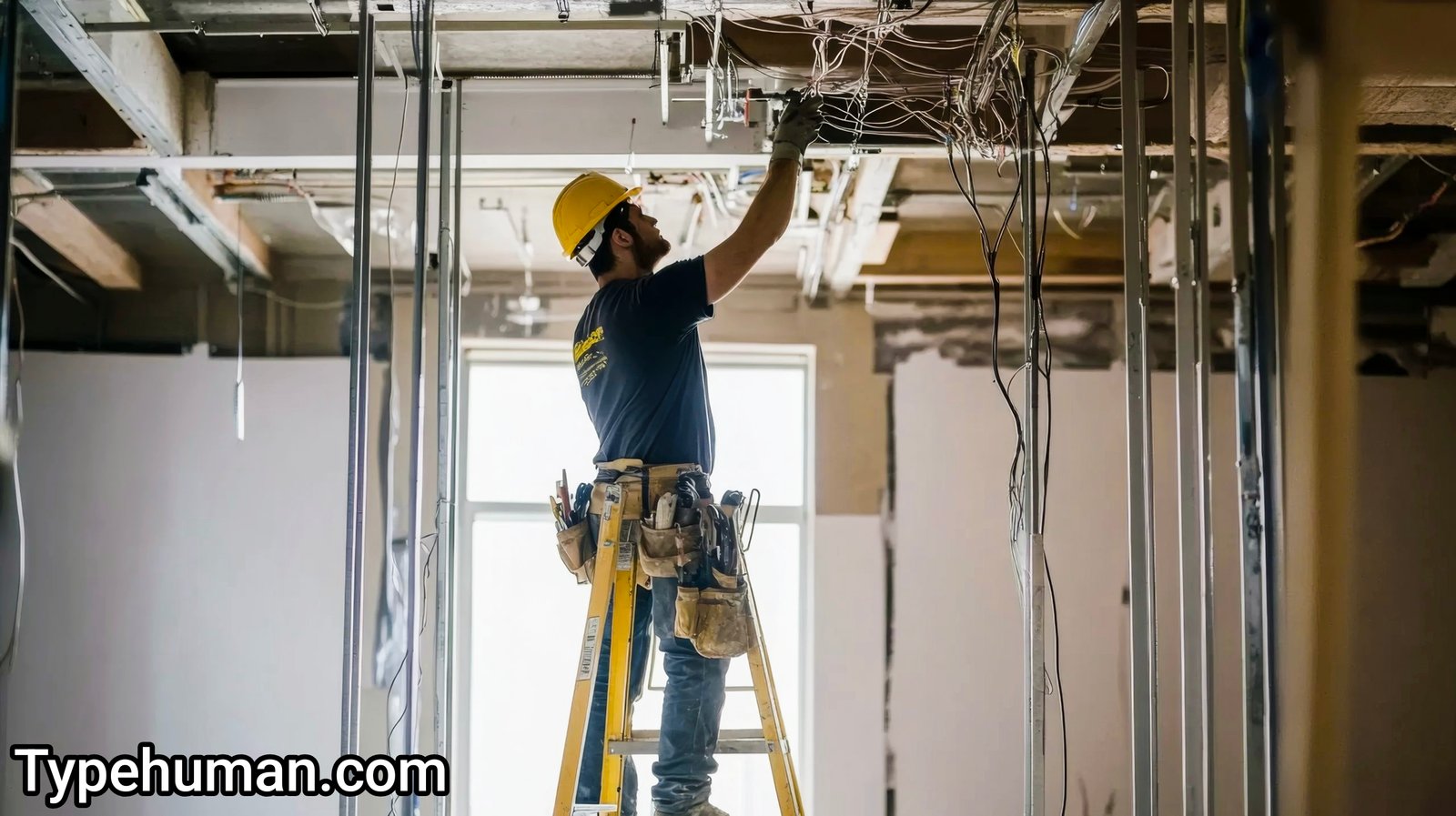
A commercial electrician plays a vital role in ensuring that businesses, offices, and industrial facilities have safe, efficient, and reliable electrical systems. Unlike residential electricians, who focus on homes, a commercial electrician handles larger-scale wiring projects, complex circuits, and high-powered systems. Their expertise is essential for the construction, maintenance, and upgrading of commercial properties. Understanding the skills and responsibilities of a commercial electrician helps business owners and facility managers make informed decisions and maintain compliance with safety standards.
What Does a Commercial Electrician Do?
A commercial electrician is responsible for installing, repairing, and maintaining electrical systems in commercial and industrial buildings. This includes wiring offices, retail spaces, factories, hospitals, and other large facilities. They handle high-voltage systems, complex circuits, lighting networks, security systems, fire alarms, and data networks. Unlike residential work, commercial projects often require strict adherence to codes and planning for higher energy loads. A commercial electrician ensures that every electrical component functions efficiently and safely, minimizing downtime and reducing the risk of hazards.
Planning and Designing Commercial Electrical Systems
The work of a commercial electrician begins with planning and designing the electrical layout for the building. This involves assessing the energy requirements, calculating load capacity, and designing circuits that can handle current and future needs. A commercial electrician must also consider factors such as lighting design, emergency systems, HVAC integration, and specialized equipment. Proper planning ensures the electrical system is both efficient and scalable, which is particularly important in businesses where energy demands may grow over time.
Installation and Wiring for Commercial Properties
Installation in commercial buildings is more complex than residential work due to the size of the property and the number of circuits involved. A commercial electrician runs wires through walls, ceilings, and conduit systems, installs breakers, connects panels, and sets up outlets, switches, and lighting systems. The electrician ensures that all wiring meets code requirements and is capable of handling high-power loads. Safety is a major priority during installation, as any mistakes could result in outages, equipment damage, or serious hazards.
Maintenance and Troubleshooting
Commercial properties rely on continuous power for lighting, computers, security systems, and industrial machinery. A commercial electrician provides maintenance services to keep all systems functioning optimally. This includes inspecting wiring, testing circuits, replacing damaged components, and troubleshooting problems before they escalate. Prompt attention by a commercial electrician prevents costly downtime, protects valuable equipment, and ensures that employees and clients remain safe.
Importance of Licensing and Certification
Hiring a licensed commercial electrician is crucial. They bring both technical expertise and knowledge of electrical codes that are mandatory for commercial properties. Certifications demonstrate that the electrician has completed rigorous training and understands safety protocols, wiring techniques, and load management. Working with a licensed commercial electrician reduces liability, ensures compliance with building regulations, and provides peace of mind to property owners.
Energy Efficiency and Technology Integration
A modern commercial electrician also focuses on energy efficiency. They can install LED lighting, automated control systems, energy-efficient HVAC connections, and smart building management systems. By optimizing energy usage, a commercial electrician not only reduces operating costs for businesses but also helps them meet sustainability goals. Many commercial electricians are also trained to install systems for renewable energy integration, such as solar panels or battery storage, further supporting energy-efficient operations.
Safety Considerations in Commercial Electrical Work
Safety is a primary concern in commercial electrical systems. High-powered circuits, large equipment, and multiple users increase the risk of electrical hazards. A commercial electrician follows strict safety procedures, including proper grounding, circuit protection, and adherence to National Electrical Code standards. They are trained to handle emergencies, conduct risk assessments, and ensure that all installations are safe for occupants and workers.
Specializations Within Commercial Electrical Work
Commercial electricians often specialize in different areas based on the needs of their clients. Some focus on industrial systems, working with machinery, motor controls, and high-voltage systems. Others specialize in office buildings, handling lighting design, data cabling, and security systems. A few commercial electricians focus on energy management or renewable energy integration, providing advanced solutions to modern businesses. Specialization ensures that the commercial electrician has the expertise to address specific challenges effectively.
Commercial Electricians in New Construction
During new construction projects, a commercial electrician is involved from the planning stage. They work closely with architects, contractors, and project managers to design a complete electrical system. This allows the building to support future technology, including automated lighting, advanced HVAC systems, and data infrastructure. Early involvement by a commercial electrician also reduces the risk of costly changes later and ensures the electrical system is installed efficiently and safely.
Choosing the Right Commercial Electrician
Selecting a reliable commercial electrician is essential for any business. Property owners should consider experience, licensing, certifications, and references. A skilled commercial electrician not only installs systems but also provides guidance on maintenance, upgrades, and energy efficiency. Choosing the right professional ensures that the property’s electrical system is dependable, safe, and capable of supporting growth and technological advancements.
Conclusion: Why a Commercial Electrician Is Essential
In conclusion, a commercial electrician is an indispensable professional for modern businesses and industrial facilities. Their expertise ensures that electrical systems are safe, efficient, and capable of meeting high demands. From planning and installation to maintenance and troubleshooting, a commercial electrician provides services that protect property, reduce costs, and support technological advancements. Investing in a licensed, experienced commercial electrician ensures long-term reliability and safety, making them a critical partner in the success of any commercial or industrial project.
 Qasim Bhai