

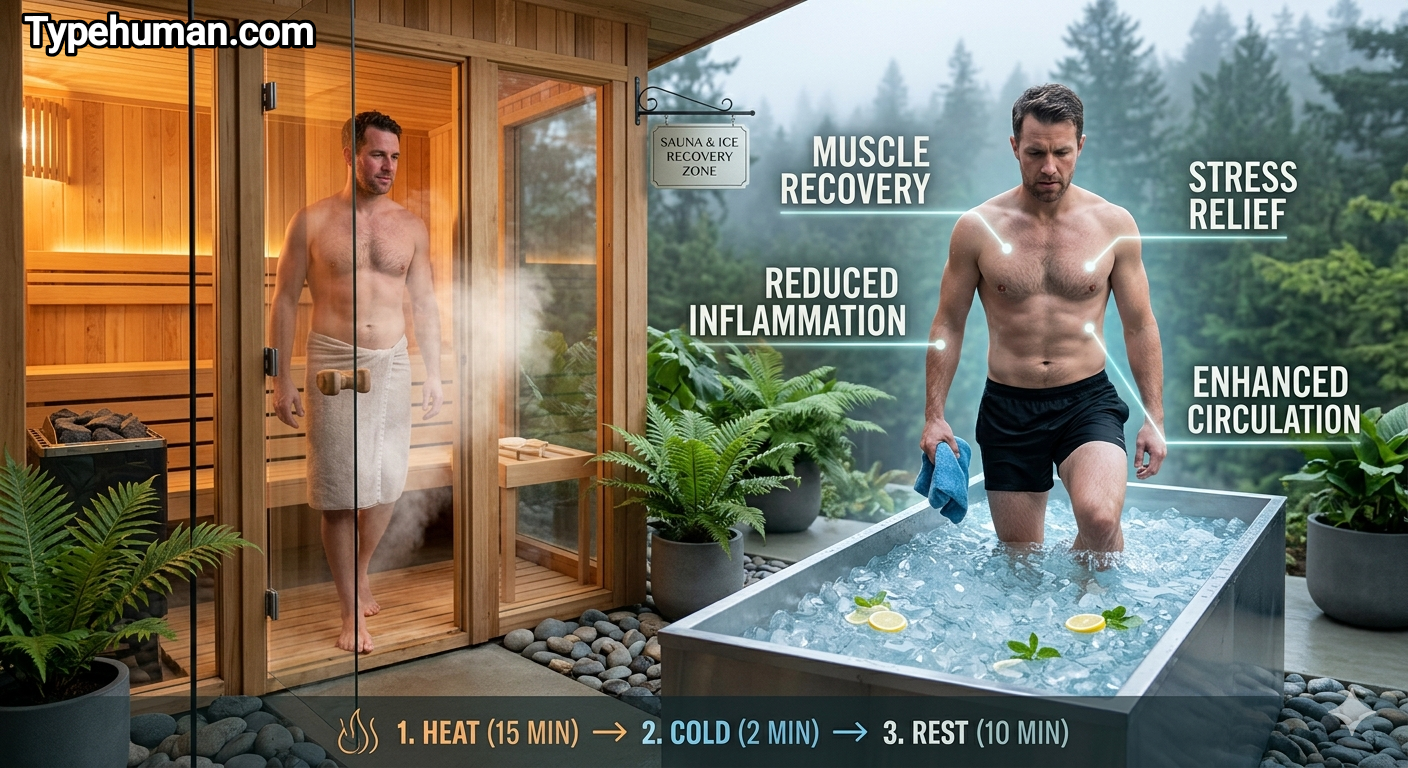
In recent years, more people have started exploring new ways to improve recovery, reduce stress, and support overall wellness. Among the many recovery techniques gaining attention, combining ice baths with sauna sessions has become increasingly popular. This approach—often referred to as contrast therapy—alternates between hot and cold temperatures to stimulate the body and promote recovery.
While athletes have used these methods for decades, they are now also embraced by fitness enthusiasts, busy professionals, and individuals seeking natural ways to relax and recover. Understanding how hot and cold exposure work together makes it easier to see why this wellness routine has grown in popularity.
Understanding the Concept of Contrast Therapy
Alternating between heat and cold is known as contrast therapy. It involves exposing the body to warm temperatures—like those in a sauna—followed by cold immersion, such as an ice bath.
Each temperature creates a different physical response. Heat widens blood vessels, increasing blood flow and relaxing muscles. Cold exposure has the opposite effect: it constricts blood vessels and can help reduce inflammation.
When these two effects are combined, the body experiences a cycle of expansion and contraction in circulation. This process can support muscle recovery and improve overall relaxation.
Think of it like a gentle workout for the circulatory system. Just as exercise strengthens muscles, alternating heat and cold encourages the body to move blood and nutrients efficiently through tissues.
This is one reason why many professional athletes, sports therapists, and recovery specialists incorporate contrast therapy into training routines.
Supporting Muscle Recovery After Physical Activity
One of the most widely recognized benefits of combining ice baths and sauna sessions is muscle recovery.
After intense physical activity—whether it’s weightlifting, running, or a demanding work shift—muscles experience mild stress. This stress is normal and part of the process that helps muscles grow stronger over time.
However, the recovery period can sometimes bring soreness or fatigue. Ice baths can help reduce muscle swelling and inflammation, which may ease discomfort.
Saunas, on the other hand, promote relaxation and increase circulation, delivering oxygen and nutrients that help muscles repair themselves.
For example, a marathon runner may use cold immersion to calm muscle inflammation immediately after a race. Later, sauna heat helps loosen tight muscles and restore flexibility.
Even individuals who are not athletes can benefit from this approach. People working in physically demanding jobs—such as construction workers, warehouse staff, or healthcare professionals—often experience muscle fatigue after long shifts.
Contrast therapy offers a natural way to help the body recover from daily stress.
Promoting Relaxation and Stress Relief
Beyond physical recovery, the combination of heat and cold can also have a calming effect on the mind.
Sauna sessions encourage relaxation by creating a warm, quiet environment that allows the body to slow down. Heat helps relieve muscle tension and promotes the production of endorphins—chemicals in the body associated with feelings of well-being.
Cold exposure, while initially intense, can create a refreshing sensation that boosts alertness and mental clarity.
Together, these contrasting experiences help reset both the body and the mind.
Imagine finishing a long workday filled with meetings, deadlines, or physical activity. Stepping into a warm sauna allows your muscles to unwind and your breathing to slow. Following that with a short cold immersion can feel energizing and invigorating.
This cycle often leaves people feeling refreshed, focused, and ready to return to daily routines with renewed energy.
For many individuals, this combination has become part of a broader wellness routine that includes exercise, proper sleep, and balanced nutrition.
Enhancing Circulation and Overall Wellness
Another key benefit of alternating between heat and cold is its impact on circulation.
When the body moves between warm and cold environments, blood vessels dilate and constrict. This process encourages blood flow, which helps transport oxygen and nutrients throughout the body.
Good circulation plays an important role in overall health. It supports muscle function, helps regulate body temperature, and assists in removing metabolic waste produced during exercise.
For example, athletes often notice improved recovery when circulation improves after training sessions.
But improved circulation is beneficial for many everyday situations as well. Office workers who spend long hours sitting at desks may experience stiffness or poor circulation in their legs and back.
Heat and cold exposure can help stimulate circulation and relieve prolonged inactivity.
Many wellness centers now offer facilities where individuals can explore recovery techniques such as ice bath and sauna in Brisbane as part of a broader approach to physical and mental well-being.
These environments allow people to experience guided contrast therapy sessions in safe and comfortable settings.
Real-World Uses Across Different Industries
While contrast therapy is often associated with sports, its benefits extend into many other fields.
Professional athletes regularly rely on hot and cold exposure to recover between training sessions and competitions. Sports teams often include recovery rooms equipped with both ice baths and saunas.
In the fitness industry, trainers frequently recommend these methods for clients who want to enhance muscle recovery and maintain consistent workout routines.
Even individuals working in physically demanding industries—such as construction, emergency services, or manufacturing—can benefit from recovery techniques that help reduce fatigue and muscle soreness.
Beyond physical jobs, the practice is also becoming popular in wellness and corporate environments.
Many professionals incorporate sauna and cold immersion sessions into their self-care routines to manage stress and maintain mental clarity.
The growing popularity of wellness facilities offering these experiences reflects the increasing awareness of recovery as an important part of overall health.
Tips for Trying Ice Bath and Sauna Sessions
For beginners interested in exploring contrast therapy, it’s important to start gradually.
Many people begin with a short sauna session lasting about 10 to 15 minutes. This allows the body to warm up and relax.
Afterward, a brief cold immersion—often 30 seconds to 2 minutes—can follow. The process may be repeated several times, depending on personal comfort and experience.
Hydration is also important. Because sauna sessions cause sweating, drinking water helps maintain the body’s balance.
It’s also wise to listen to your body and avoid pushing too far too quickly. The goal is to support recovery and relaxation, not create unnecessary stress.
Consulting wellness professionals or trained staff can help ensure that sessions are performed safely.
Final Thoughts
The combination of ice baths and sauna sessions has become a popular recovery technique for a reason. By alternating between heat and cold, the body experiences improved circulation, muscle relaxation, and enhanced recovery.
While once limited to professional athletes, contrast therapy is now widely used by people seeking natural ways to support their health and well-being.
From improving post-workout recovery to providing a calming escape from daily stress, the balance between heat and cold offers a simple yet effective approach to wellness.
When used thoughtfully and consistently, this practice can become a valuable part of a healthy lifestyle—helping people feel refreshed, energized, and ready to take on whatever the day brings.
 prime star