

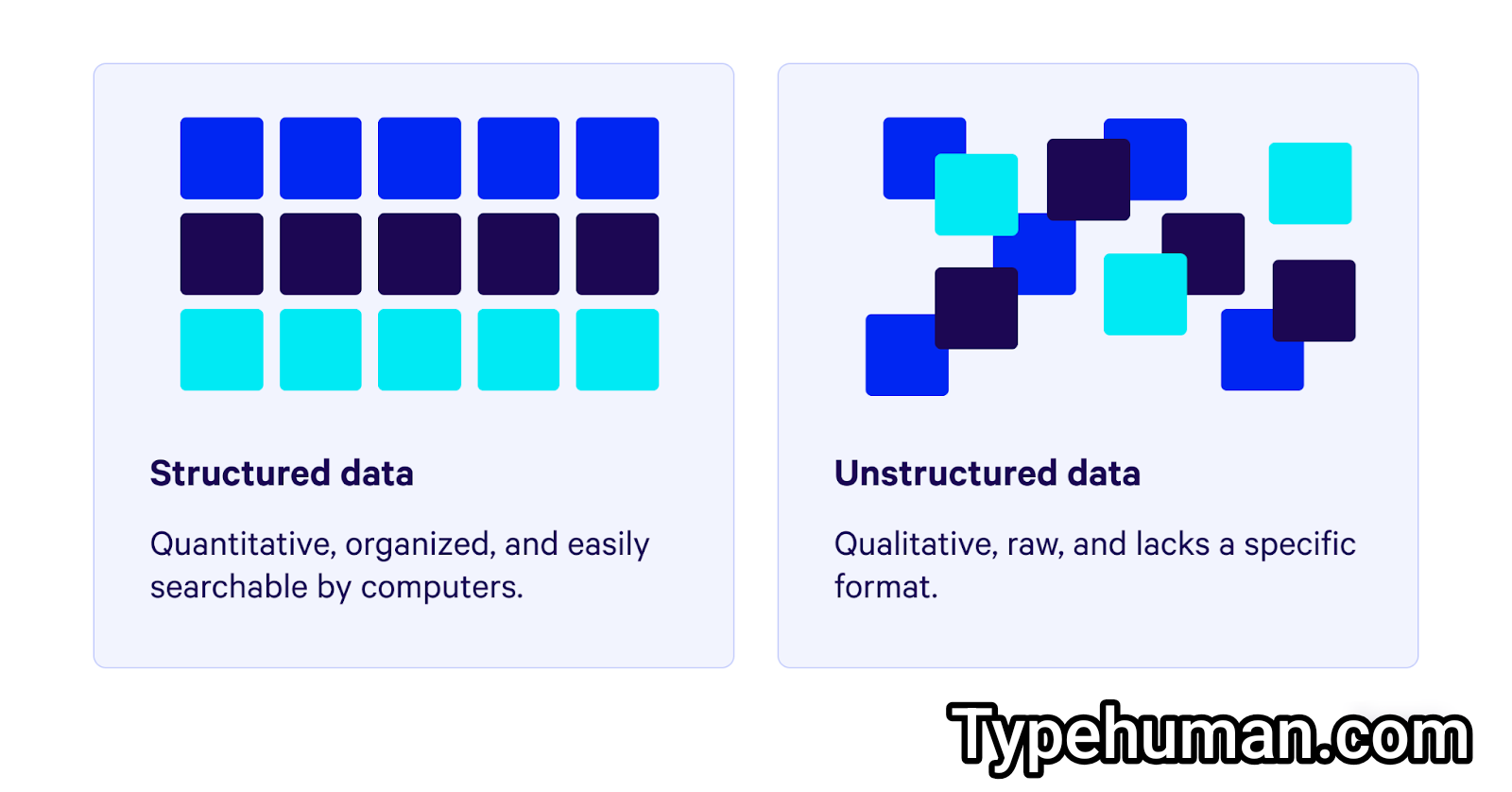
In today’s competitive digital landscape, search visibility is no longer driven by keywords alone. Search engines increasingly rely on context and meaning to understand web content. This is where Structured Data plays a critical role. By implementing Structured Data correctly, websites can help search engines interpret their content more accurately, improving discoverability and enhancing search result appearances.
For businesses investing in SEO, particularly in Singapore’s highly competitive online market, understanding Structured Data for SEO is no longer optional. It is a foundational technical SEO element that supports long-term organic performance.
This article explains what Structured Data is, why it matters for SEO, and which Schema Markup types websites should prioritise.
What Is Structured Data?
Structured Data is a standardised format used to describe the content on a webpage in a way that search engines can understand. Rather than guessing what a page is about, search engines can read explicit signals embedded within the code.
Structured Data is typically implemented using Schema Markup, a shared vocabulary developed by major search engines including Google, Bing, and Yahoo, and published at schema.org.
In practical terms, Schema Markup tells search engines:
- What an entity is (e.g. article, business, product)
- How different entities relate to each other
- Which details are important (e.g. author, date, location)
This additional layer of information helps search engines deliver more relevant results to users.
Why Structured Data Matters for SEO
Structured Data does not directly increase rankings in the traditional sense. However, it plays a significant supporting role in SEO by improving how content is interpreted and displayed.
Key SEO benefits include:
Improved Search Understanding
Structured Data reduces ambiguity. When search engines clearly understand page intent, content is more likely to appear for relevant queries.
Enhanced Search Results
Pages with Schema Markup may qualify for rich results, such as:
- Star ratings
- FAQs
- Breadcrumbs
- Knowledge panel information
These enhanced listings can improve click-through rates, which indirectly supports SEO performance.
Alignment with Google’s Semantic Search
Google’s algorithms increasingly rely on entities rather than keywords alone. Structured Data helps websites align with this entity-based search model.
Structured Data for SEO: Formats You Should Know
While multiple formats exist, JSON-LD is the most widely recommended implementation method for Structured Data.
JSON-LD (Recommended)
- Placed in the <script> section of a webpage
- Easier to manage and update
- Preferred by Google
Other formats such as Microdata and RDFa are still supported, but JSON-LD offers greater flexibility and scalability, especially for larger websites.
Essential Schema Markup Types to Implement
Not every Schema type is relevant to every website. Below are the most commonly recommended Schema Markup types for SEO-focused websites and businesses.
Organisation Schema
This helps search engines understand brand identity and legitimacy.
Use it to mark up:
- Business name
- Logo
- Contact details
- Social profiles
Website Schema
Website Schema defines the overall site structure and can include search actions.
Benefits include:
- Improved site-level understanding
- Support for sitelinks in search results
Article Schema
For blogs, press releases, and editorial content, Article Schema clarifies content type and authorship.
Key properties include:
- Headline
- Author
- Date published
- Date modified
This is especially important for press release websites, where content freshness and credibility matter.
Breadcrumb Schema
Breadcrumbs improve navigation clarity for both users and search engines.
They also appear in search results, replacing long URLs with structured navigation paths.
FAQ Schema
FAQ Schema allows selected question-and-answer content to appear directly in search results.
This can:
- Increase SERP real estate
- Improve click-through rates
- Address user intent more effectively
Local Business Schema
For Singapore-based agencies, Local Business Schema provides geographic relevance.
Mark up includes:
- Address
- Opening hours
- Contact information
- Service area
This supports local SEO visibility and Google Business Profile alignment.
Common Structured Data Implementation Mistakes
While Schema Markup is powerful, incorrect implementation can limit its effectiveness.
Common mistakes include:
- Marking up content that is not visible to users
- Using irrelevant Schema types
- Failing to update Structured Data when content changes
- Adding Schema that violates Google’s rich result guidelines
Structured Data should always reflect on-page content accurately.
Testing and Maintaining Structured Data
After implementation, Structured Data should be validated regularly.
Recommended tools include:
- Google Rich Results Test
- Schema Markup Validator
Ongoing maintenance is essential, particularly for dynamic websites where content changes frequently.
How Structured Data Fits into a Broader SEO Strategy
Structured Data should not be viewed in isolation. It works best when combined with:
- Technical SEO foundations
- High-quality content
- Logical site architecture
- Internal linking strategies
When implemented as part of a holistic SEO approach, Structured Data for SEO strengthens a website’s ability to communicate meaning, relevance, and trust to search engines.
Conclusion
Structured Data and Schema Markup play a crucial role in modern SEO by helping search engines understand content with greater precision. While it may not directly influence rankings, it significantly enhances how content appears and performs in search results.
For businesses and digital marketing agencies in Singapore, implementing Structured Data correctly supports long-term SEO growth, improves search visibility, and aligns websites with evolving search engine standards.
As search continues to move towards semantic understanding, Structured Data is no longer a technical enhancement. It is a strategic necessity.
Businesses looking to strengthen their SEO strategy can review their current Structured Data implementation with an advertising agency in Singapore to ensure Schema Markup is applied correctly and aligns with search engine guidelines.
 Qasim Bhai
  Qamar Javed