

Understanding the Importance of a Roof
The roof of a home is arguably one of its most important components, providing essential protection against the elements, maintaining structural integrity, and contributing to energy efficiency and overall property value. Despite its significance, many homeowners overlook the importance of regular inspection and timely maintenance, which can lead to severe damage over time. When signs of wear, deterioration, or recurring leaks appear, it often becomes necessary to consider a full roof replacement. Understanding the process, benefits, costs, and maintenance involved in a roof replacement is critical for homeowners who wish to safeguard their investment, improve their living environment, and prevent costly repairs in the future. This guide offers a detailed overview of roof replacement, exploring the indicators that a roof needs to be replaced, the types of materials available, the step-by-step replacement process, and essential considerations for long-term performance.
What Is Roof Replacement and Why It Matters
A roof replacement is a comprehensive procedure that involves removing the existing roofing material and installing a new roof to restore the structural integrity, functionality, and aesthetic appeal of a home. Unlike minor repairs that address specific issues such as a leak or a broken shingle, a full roof replacement ensures that all components of the roof system are renewed, including the underlayment, decking, and ventilation elements. Roofs, depending on their materials and construction quality, can last anywhere from 15 to 50 years, and even longer for premium options such as slate or metal. When a roof shows signs of aging or recurring damage, delaying replacement can result in more extensive structural issues, water infiltration, and significant financial costs, making a proactive approach essential for responsible homeowners.
Signs That Indicate a Roof Replacement Is Needed
Identifying when a roof replacement is necessary can be challenging for homeowners who are not familiar with roofing materials or construction practices. However, certain signs indicate that the existing roof may no longer provide adequate protection. These signs include aging or brittle materials that crack, curl, or break under pressure, frequent leaks that persist even after repairs, visible sagging or unevenness in the roof deck, and persistent mold or algae growth caused by moisture infiltration. Homeowners may also notice that shingles are missing, granules are shedding excessively, or flashing around chimneys, vents, and skylights is deteriorating. Observing any combination of these indicators is a strong signal that a roof replacement is warranted, as addressing these issues with temporary repairs is often insufficient and may only delay the inevitable need for a full replacement.
Benefits of a Roof Replacement
The benefits of a roof replacement extend beyond simply repairing damage, providing both functional and aesthetic advantages. One of the most important benefits is enhanced protection. A new roof serves as a robust barrier against rain, wind, snow, hail, and other environmental stressors, reducing the likelihood of leaks and structural damage. Modern roofing materials also offer improved energy efficiency, reflecting sunlight and reducing heat absorption, which can lower cooling and heating costs while creating a more comfortable indoor environment. Additionally, replacing a roof can significantly increase the property value of a home, as prospective buyers are more confident in purchasing a house with a reliable, well-maintained roof. A new roof also allows homeowners to choose updated designs, colors, and materials, improving the overall aesthetic appeal of the home and complementing its architectural style. Perhaps most importantly, a roof replacement provides peace of mind, ensuring that homeowners are not constantly worrying about potential damage, leaks, or emergency repairs.
Choosing the Right Roofing Materials
Choosing the right roofing material is a critical step in a successful roof replacement. Homeowners must balance considerations such as cost, durability, maintenance requirements, aesthetic preferences, and environmental factors. Asphalt shingles are among the most commonly used roofing materials due to their affordability, ease of installation, and moderate lifespan, typically lasting 20 to 30 years. Metal roofing is another popular option, valued for its longevity, resistance to fire, and energy efficiency, with a lifespan of 40 to 70 years. Tile roofing, whether clay or concrete, offers exceptional durability, resistance to extreme weather, and a visually appealing design, though it is heavier and often more expensive. Slate roofing is widely regarded as one of the most durable options, capable of lasting more than a century when properly installed, but it requires professional installation and comes with a higher upfront cost. Synthetic roofing materials, including rubber, plastic, and composite options, provide versatility, lighter weight, and easier maintenance while often mimicking the appearance of natural materials. Selecting the right material for a roof replacement ensures not only long-term performance but also complements the home’s aesthetic and enhances its market value.
Step-by-Step Process of Roof Replacement
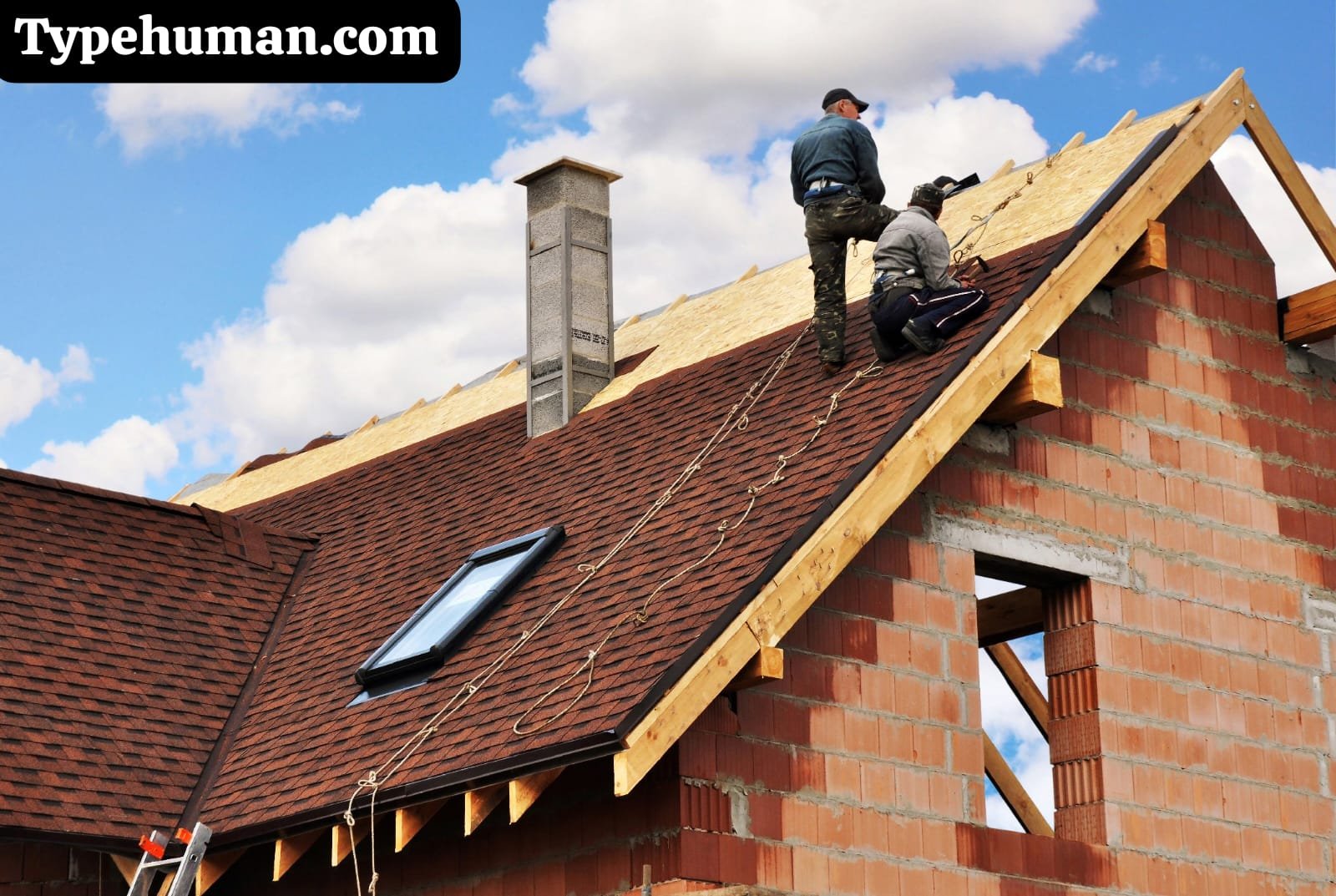
The process of a roof replacement involves multiple steps, each critical to ensuring a high-quality and durable outcome. The procedure typically begins with a detailed inspection and assessment, during which roofing professionals examine the current roof, identify structural issues, water damage, and potential challenges, and determine the scope and cost of the replacement. After assessing the roof, homeowners select the appropriate materials, design, and color that suit their needs, budget, and style preferences. Preparation for the installation follows, involving clearing the work area, implementing protective measures to safeguard property and landscaping, and carefully removing the old roofing materials. Any structural damage to the roof deck or supporting framework is addressed before installing the new roofing system. The installation process is meticulous, with professionals ensuring proper alignment, sealing, and ventilation according to manufacturer specifications. Once the new roof is installed, a final inspection confirms that all work meets quality standards and local building codes. The replacement is completed with a thorough cleanup and guidance on proper maintenance to maximize the lifespan of the new roof.
Costs and Considerations in Roof Replacement
The cost of a roof replacement varies depending on several factors, including the size of the roof, complexity, chosen materials, and labor expenses. Asphalt shingles are generally the most cost-effective option, while premium materials such as slate or tile can be substantially more expensive. Homeowners must consider both the initial investment and long-term value, as high-quality materials and proper installation can significantly extend the roof’s lifespan and reduce future maintenance costs. Insurance coverage may also play a role, as some policies cover damage from storms or specific events, potentially lowering out-of-pocket expenses for a full roof replacement. Consulting with professional roofing contractors and reviewing insurance policies carefully ensures that homeowners are making informed financial decisions.
Maintenance Tips After a Roof Replacement
Proper maintenance following a roof replacement is essential for preserving its performance and longevity. Regular inspections, particularly after severe weather events, can help identify and address minor issues before they escalate into major problems. Homeowners should also keep gutters clean to prevent water buildup, remove debris and moss from the roof surface, and promptly repair any small damages to avoid compromising the roof’s structural integrity. Adequate attic ventilation is equally important, as it prevents excess heat and moisture accumulation that can accelerate material deterioration. Consistent maintenance, even for the most durable roofing materials, can extend the lifespan of a roof and protect the investment made during replacement.
Choosing the Right Professional for Roof Replacement
Selecting the right professional for a roof replacement is equally important. Homeowners should seek contractors with proven experience, positive reviews, proper licensing, insurance coverage, and clear communication regarding pricing, timelines, and project expectations. A reputable professional ensures that the roof replacement is executed safely, efficiently, and to the highest standards of quality. Attempting to cut costs by hiring inexperienced contractors or using substandard materials can result in future repairs, reduce the roof’s lifespan, and compromise the overall safety and performance of the home. Investing in qualified professionals provides peace of mind, knowing that the replacement is done correctly and will protect the home for decades.
Conclusion: Ensuring Longevity and Safety Through Roof Replacement
In conclusion, a roof replacement is one of the most important investments a homeowner can make, offering long-term protection, improved energy efficiency, enhanced aesthetic appeal, and increased property value. By recognizing the signs of roof deterioration, understanding the benefits of replacement, selecting suitable materials, and working with experienced professionals, homeowners can ensure that their roof remains strong, safe, and durable for years to come. Proper maintenance following installation further extends the roof’s lifespan and safeguards the investment, preventing costly repairs and structural damage. Planning and executing a roof replacement thoughtfully and proactively not only protects the home and family but also enhances comfort, efficiency, and overall satisfaction with the property. A comprehensive approach to roof replacement ensures that this essential home component continues to fulfill its critical role while providing peace of mind and lasting value.
 prime star