

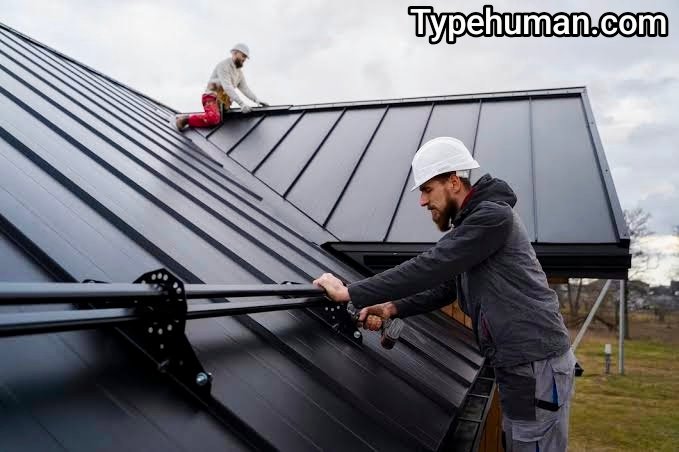
Roof installation is a fundamental aspect of any building project, whether constructing a new property or replacing an aging roof. A properly installed roof is not only critical for protecting the structure from the elements but also plays a significant role in insulation, energy efficiency, and the overall aesthetic appeal of a building, highlights Clockwork Property Management experts. Understanding the principles, materials, and techniques involved in roof installation is essential for homeowners, property managers, and anyone looking to ensure that their investment in a property is secure and long-lasting. This article provides an in-depth exploration of roof installation, covering every stage from preparation and material selection to professional installation practices and long-term maintenance strategies.
Understanding the Importance of Roof Installation
Roof installation is the process of constructing or replacing the top covering of a building to provide protection from weather conditions such as rain, snow, wind, and extreme sunlight. Beyond simply shielding the interior, the quality of roof installation affects the building’s structural integrity, longevity, and energy efficiency. Poorly executed roof installation can lead to leaks, structural damage, increased energy costs, and frequent repair needs, making it crucial to approach this task with care and expertise.
Professional roof installation ensures that every component, from underlayment to roofing materials, is correctly installed according to manufacturer specifications and building standards. This process helps prevent premature failure, enhances durability, and extends the life of the roof. Additionally, a well-installed roof contributes to energy efficiency by maintaining proper insulation and ventilation, which can reduce heating and cooling costs over time.
Key Factors to Consider Before Roof Installation
Before beginning roof installation, several key factors must be considered to guarantee a successful and long-lasting outcome. The first step is conducting a thorough inspection of the existing structure, including roof decking, rafters, and support systems. Any signs of damage, rot, or weakness should be addressed prior to installation to prevent future structural problems.
Material selection is another critical factor. The choice of roofing materials affects both the installation process and the roof’s long-term performance. Popular materials include asphalt shingles, metal panels, synthetic materials, and wood shingles. Each material has unique characteristics, installation requirements, and maintenance needs, making it essential to choose one that aligns with the building’s purpose, budget, and desired aesthetic.
Additionally, the slope, design, and ventilation of the roof must be carefully considered during planning. Proper roof slope ensures effective water drainage, while adequate ventilation prevents heat buildup and moisture accumulation, both of which can reduce the lifespan of the roofing materials.
Step-by-Step Process of Roof Installation
Roof installation involves several carefully coordinated steps to ensure the roof functions properly and lasts for decades. These steps include:
- Inspection and Preparation: The initial stage involves examining the structural integrity of the roof deck and supports. Any damaged or weak areas must be repaired before proceeding. The surface is then cleaned, and any old roofing materials are removed to provide a solid foundation for the new roof.
- Underlayment and Waterproofing: Installing underlayment is essential to protect the building from moisture penetration. Underlayment acts as a secondary barrier between the roof deck and the final roofing materials. Flashing is also installed around critical areas such as chimneys, vents, and roof edges to prevent water infiltration.
- Installation of Roofing Materials: Once the underlayment and flashing are in place, the selected roofing materials are installed. Each material type has its own installation requirements, including proper alignment, fastening, and overlap. Precise installation is critical to preventing leaks, wind damage, and premature wear.
- Final Inspection and Cleanup: After the installation is complete, a thorough inspection ensures that all materials are securely in place, properly aligned, and functioning as intended. Contractors remove any debris and confirm that gutters and drainage systems are clear, completing the installation process.
Advantages of Professional Roof Installation
Investing in professional roof installation provides numerous benefits beyond just structural protection. Experienced contractors bring knowledge of building codes, safety protocols, and manufacturer specifications, which ensures the roof is installed correctly and efficiently. Professional roof installation also minimizes risks such as leaks, structural damage, and material failure, which can result from improper DIY installation.
Other advantages of professional roof installation include:
- Longer Lifespan: Proper installation maximizes the lifespan of roofing materials.
- Energy Efficiency: Well-installed roofs with adequate insulation and ventilation reduce heating and cooling costs.
- Enhanced Property Value: A durable and visually appealing roof contributes to the overall value of the building.
- Warranty Protection: Professional installation often includes warranties on both materials and workmanship, providing peace of mind for property owners.
Maintenance After Roof Installation
Roof installation is only the beginning of maintaining a strong and durable roof. Regular inspections and preventive maintenance help preserve the roof’s performance and extend its lifespan. Common maintenance tasks include checking for damaged or missing shingles, cleaning gutters to ensure proper drainage, removing debris that could trap moisture, and repairing minor damage promptly.
Routine maintenance also involves monitoring ventilation systems to prevent heat buildup and moisture accumulation, which can compromise the integrity of the roof over time. A properly maintained roof not only protects the building but also reduces the likelihood of expensive repairs or full roof replacement in the future.
Identifying the Need for Roof Installation or Replacement
Even a roof that appears to be in good condition may require replacement or reinstallation if certain warning signs are present. Indicators that roof installation or replacement is necessary include persistent leaks, water stains on ceilings, visible damage to roofing materials, sagging or uneven rooflines, and decreased energy efficiency due to poor insulation or ventilation. Identifying these issues early and scheduling professional roof installation can prevent further structural damage and costly repairs.
Choosing the Right Professionals for Roof Installation
Selecting a skilled and reliable contractor is essential for achieving a high-quality roof installation. Key factors to consider when choosing a contractor include experience, reputation, licensing, insurance, transparent pricing, and after-installation support. A reputable contractor ensures that every stage of roof installation is executed efficiently, safely, and to the highest standards.
Working with professionals also provides access to expert advice on material selection, maintenance practices, and long-term strategies for extending the lifespan of the roof. This guidance can significantly improve the durability and performance of the roofing system.
Conclusion
Roof installation is one of the most important investments a property owner can make. From protecting the building against weather and environmental factors to improving energy efficiency and enhancing overall aesthetics, a properly installed roof offers numerous benefits. Understanding the roof installation process, selecting the right materials, and engaging experienced professionals ensures a durable, long-lasting, and reliable roofing system. Regular maintenance and timely inspections further extend the roof’s lifespan, safeguarding the property and maximizing the return on investment. By prioritizing quality roof installation and ongoing care, property owners can enjoy years of safety, comfort, and performance.
 prime star