

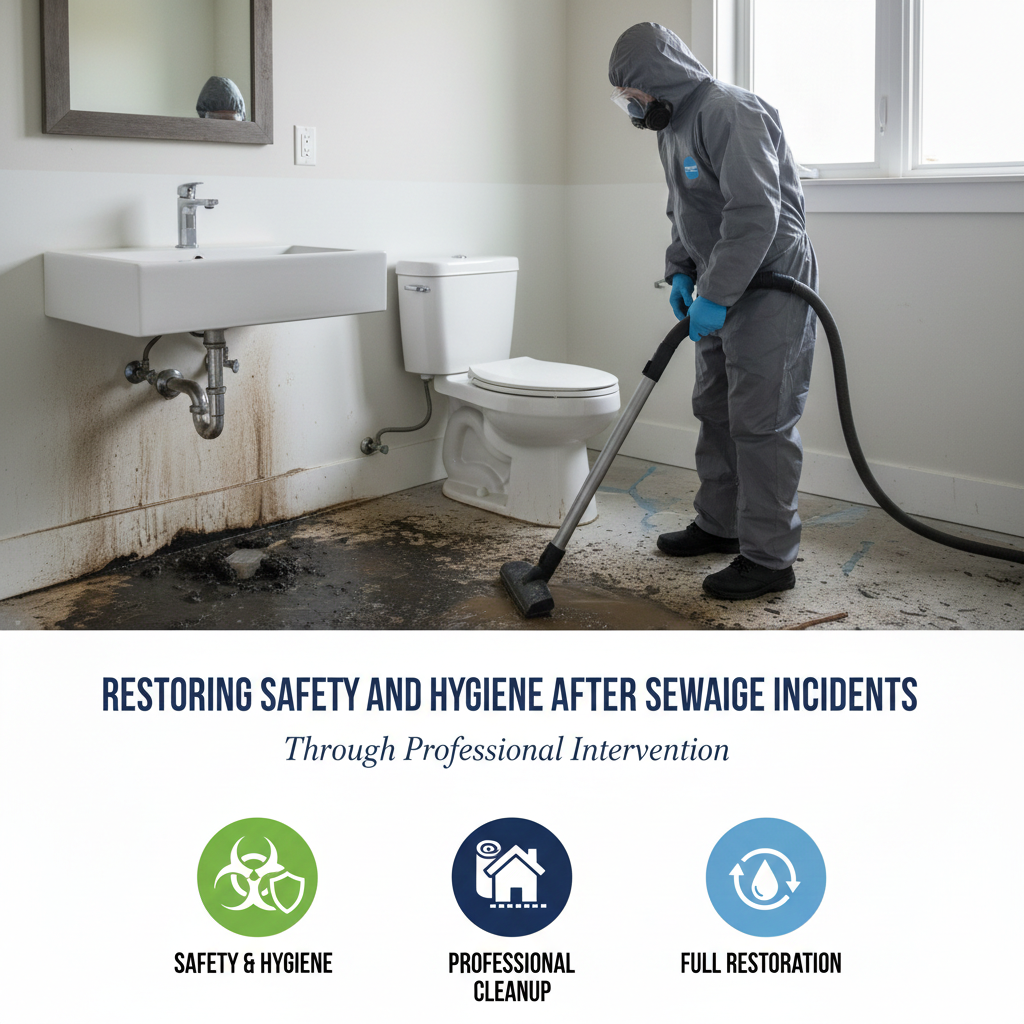
Sewage issues are among the most disruptive and hazardous problems that can affect a property. Whether caused by pipe blockages, system failures, or unexpected overflows, sewage contamination poses serious risks to health, structural integrity, and overall indoor comfort. Unlike ordinary water damage, sewage exposure introduces harmful bacteria, viruses, and toxic substances that require immediate and specialized attention, notes McCourt Real Estate Greenwood team.
Addressing these incidents correctly is not simply a matter of removing visible waste. Proper handling involves contamination control, deep sanitation, moisture management, and long-term prevention strategies. Without professional expertise, lingering hazards may remain hidden within surfaces, air systems, or structural materials.
This article explores the causes of sewage incidents, the dangers they present, the importance of professional response, and the detailed process required to restore affected environments safely and effectively.
Understanding the Nature of Sewage Contamination
Sewage is classified as highly contaminated waste due to its biological and chemical composition. It contains bacteria, parasites, viruses, and organic matter that can cause severe illnesses if exposure occurs. Even minimal contact can lead to respiratory issues, skin infections, or gastrointestinal conditions.
Unlike clean water damage, sewage infiltration quickly spreads contamination beyond the immediate source. Porous materials such as carpets, drywall, insulation, and wood absorb contaminated moisture, making thorough decontamination essential. Airborne particles may also spread pathogens throughout enclosed spaces.
This is why professional sewer cleanup is considered a critical health response rather than a simple cleaning task. Addressing only surface-level damage leaves hidden risks that can continue to affect occupants long after the visible mess is gone.
Common Causes of Sewage Emergencies
Sewage problems can arise from various sources, often without warning. Understanding the underlying causes helps in both prevention and rapid response.
Clogged drain lines are among the most frequent contributors. Grease buildup, foreign objects, and tree root intrusion can restrict flow, leading to backups that force wastewater into living spaces. Aging or damaged pipes may crack or collapse, allowing sewage to escape into walls or floors.
System overloads during heavy water usage can overwhelm plumbing infrastructure, particularly if maintenance has been neglected. Equipment malfunctions, such as failed sump pumps or broken valves, can also trigger sewage release.
Regardless of the cause, rapid containment and professional intervention are necessary to prevent escalation.
Health Risks Associated With Sewage Exposure
The health implications of sewage exposure are severe and should never be underestimated. Pathogens present in sewage can survive on surfaces for extended periods, increasing the risk of infection.
Exposure may result in respiratory irritation, allergic reactions, or more serious illnesses such as hepatitis or bacterial infections. Individuals with compromised immune systems, children, and older adults are especially vulnerable.
In addition to direct contact risks, contaminated air can spread odors and harmful particles throughout a building. This makes proper ventilation and air treatment a vital component of the restoration process.
Attempting to manage contamination without appropriate protective equipment and training significantly increases health risks. Professional response teams are trained to handle these dangers safely and effectively.
Why Immediate Response Is Essential
Time plays a critical role in sewage incident recovery. The longer contamination remains untreated, the more deeply it penetrates materials and structures. Moisture encourages mold growth, which introduces additional health concerns and complicates restoration efforts.
Immediate response limits damage spread and reduces restoration costs. Rapid removal of waste and contaminated water prevents further absorption into surrounding surfaces. Early intervention also allows for more effective sanitation and deodorization.
Professional sewer cleanup services are designed to mobilize quickly, using specialized equipment to contain hazards and stabilize the environment before further damage occurs.
The Professional Cleanup Process Explained
A proper sewage remediation process follows a structured and methodical approach. Each step is essential to ensuring complete decontamination and safe restoration.
The initial phase involves assessment and containment. Professionals identify the extent of contamination and isolate affected areas to prevent cross-contamination. Protective barriers and negative air pressure systems may be used to control airborne particles.
Next comes waste removal and extraction. All sewage, contaminated water, and irreparably damaged materials are safely removed and disposed of according to health regulations. This step eliminates the primary source of contamination.
Deep cleaning and disinfection follow. Industrial-grade disinfectants and antimicrobial treatments are applied to all affected surfaces. This process neutralizes pathogens and prevents bacterial regrowth.
Finally, drying and restoration take place. Moisture is carefully removed using advanced drying equipment. Structural materials are repaired or replaced as needed, restoring the environment to safe and usable condition.
Specialized Equipment and Techniques
Effective sewage remediation requires tools and techniques far beyond household cleaning methods. High-powered extraction units remove contaminated liquids efficiently, while air scrubbers filter harmful particles from the air.
Thermal drying systems and dehumidifiers eliminate residual moisture that could support microbial growth. Moisture detection devices identify hidden damp areas behind walls or beneath flooring.
Professionals conducting sewer cleanup in Henderson are trained to use this equipment safely and accurately. Their expertise ensures that no contaminated areas are overlooked during the process.
Structural Impact and Material Considerations
Sewage exposure can compromise the integrity of building materials. Porous materials often require removal because they cannot be fully disinfected. Attempting to salvage these materials can result in persistent odors and health risks.
Non-porous surfaces, while more resistant, still require thorough sanitation. Structural components must be inspected for weakening or corrosion caused by prolonged moisture exposure.
Addressing these issues during cleanup prevents long-term deterioration and ensures that restored spaces remain safe and functional.
Odor Control and Air Quality Restoration
One of the most persistent challenges following sewage incidents is odor. Sewage odors are not just unpleasant; they indicate lingering contamination.
Professional odor control techniques target the source rather than masking the smell. Neutralizing agents break down odor-causing molecules, while air purification systems restore indoor air quality.
Restoring clean air is essential for occupant comfort and health. Proper air treatment also prevents odors from embedding into materials over time.
Preventative Measures for Future Protection
While not all sewage incidents can be prevented, proactive measures significantly reduce risk. Regular plumbing inspections identify potential issues before they escalate.
Avoiding improper disposal of grease, wipes, and non-degradable materials helps maintain clear drain lines. Installing backflow prevention devices adds an extra layer of protection against system overloads.
Understanding early warning signs, such as slow drains or unusual odors, allows for timely intervention. Preventative maintenance is always more cost-effective than emergency restoration.
The Importance of Professional Expertise
Sewage remediation is a specialized field requiring technical knowledge, safety training, and regulatory compliance. Professionals understand how to manage hazardous waste safely and restore environments thoroughly.
Attempting to handle contamination independently often results in incomplete cleanup, lingering health risks, and costly future repairs. Professional sewer cleanup services provide assurance that all hazards are properly addressed.
Expert oversight ensures that restoration meets health standards and that spaces are safe for reoccupation.
Long-Term Benefits of Proper Sewage Restoration
A thorough sewage restoration process protects both health and property value. Eliminating contamination prevents recurring issues such as mold growth, structural damage, and persistent odors.
Restored environments provide peace of mind, knowing that hidden hazards have been removed. Proper documentation and professional handling also support insurance claims and future property transactions.
Investing in quality remediation delivers lasting benefits that far outweigh the initial response costs.
Conclusion: Reclaiming Safe and Healthy Living Spaces
Sewage incidents demand swift, professional attention due to their serious health and structural implications. Proper response goes beyond surface cleaning, addressing contamination at every level.
Through careful assessment, advanced equipment, and meticulous sanitation, professional intervention restores safety and comfort. By understanding the risks and response process, property owners are better prepared to protect their spaces and the people within them.
When handled correctly, even severe sewage events can be resolved effectively, allowing environments to return to safe, healthy use with confidence.
 prime star