

Introduction
Cabinet painting is one of the most effective ways to update the look and feel of kitchens, bathrooms, or other living spaces without undertaking a full renovation. Cabinets often dominate the visual landscape of a room, and outdated, worn, or discolored cabinetry can make even a well-maintained space feel dated and uninspiring. Painting cabinets offers a cost-efficient, aesthetically transformative solution that can revitalize a room, enhance property value, and extend the life of your existing cabinetry. Beyond aesthetics, cabinet painting supports environmentally responsible practices by reusing existing structures instead of discarding them and replacing with new materials, reducing waste in landfills, notes Castle Hills Property Management.
While cabinet painting may appear straightforward, achieving a smooth, durable, and professional-looking finish requires careful planning, the right materials, and an understanding of proper painting techniques. The quality and longevity of the finish are determined by factors such as surface preparation, priming, sanding, and the paint type and finish selected. Homeowners, DIY enthusiasts, and even professionals can benefit from a structured, step-by-step approach to ensure results that not only look impressive but also withstand years of use in high-traffic areas such as kitchens.
The Benefits of Painting Cabinets
Painting cabinets provides numerous benefits that go beyond merely improving the appearance of a room. First and foremost, it is a highly cost-effective alternative to full cabinet replacement. Installing new cabinets often requires significant investment in materials, labor, and time, whereas painting can achieve a comparable visual impact at a fraction of the cost. A fresh coat of paint can make cabinets look brand new, particularly when combined with minor repairs to scratches, dents, or peeling surfaces.
Another key advantage is customization. Cabinet painting allows homeowners to select colors, finishes, and effects that align with their personal style or the overall design of the space. From contemporary matte finishes to classic glossy sheens, painted cabinets can complement any interior design theme and provide a unique, tailored appearance. Beyond visual appeal, painting cabinets can also contribute to the perception of cleanliness and upkeep, particularly in kitchens and bathrooms where hygiene and aesthetics are closely linked.
From a sustainability perspective, painting cabinets instead of replacing them reduces the volume of waste generated and minimizes the environmental footprint of home renovations. Additionally, professionally painted cabinets can increase property value, as potential buyers respond favorably to well-maintained, updated cabinetry. A visually appealing kitchen with freshly painted cabinets can enhance the overall impression of a home and demonstrate attention to detail, which may be decisive in real estate transactions.
Planning a Cabinet Painting Project
Proper planning is essential to achieve professional-quality cabinet painting results. The first step involves evaluating the condition of the existing cabinets to determine the level of preparation and repair needed. Inspect surfaces for damage such as scratches, peeling veneer, water stains, dents, or warping. Minor imperfections can often be repaired with wood filler or putty, followed by sanding to create a smooth surface ready for priming and painting. Cabinets with extensive structural issues may require replacement or professional repair before painting.
Selecting the appropriate paint and finish is another critical decision. Cabinets are subject to frequent use, moisture exposure, and contact with oils and food, so the paint must be durable, easy to clean, and resistant to chipping. Water-based acrylic latex paints are popular due to their ease of application, fast drying times, low odor, and smooth finish. Oil-based paints, on the other hand, provide a harder, more resilient finish but require longer drying times, stronger ventilation, and cleanup with solvents. Choosing the right finish—satin, semi-gloss, or gloss—is equally important. Glossy and semi-gloss finishes are often preferred for kitchen cabinets because they are easier to clean and more resistant to wear.
Color selection plays a major role in the visual impact of the painted cabinets. Light colors such as whites, creams, or soft pastels can make spaces appear larger and brighter, while darker shades like navy, espresso, or charcoal create a bold, dramatic effect. Neutral colors provide versatility and timeless appeal, while more vibrant tones allow for unique expressions of style. Evaluating lighting conditions, surrounding surfaces, and personal preferences is essential when selecting a color palette for cabinets.
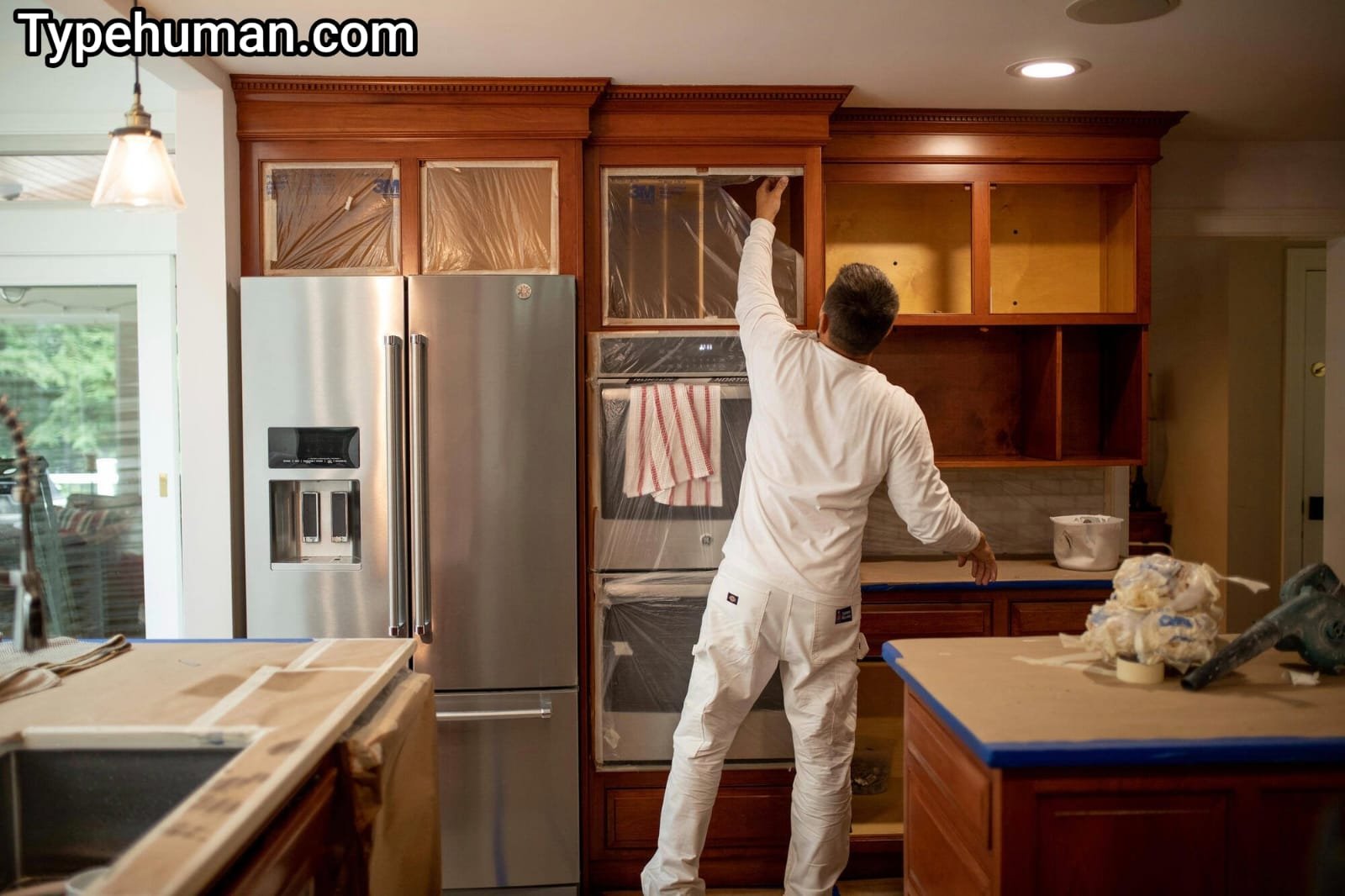
Finally, gathering the necessary tools and materials is crucial for a smooth painting process. Essential items include sandpaper, high-quality brushes, foam rollers, painter’s tape, drop cloths, plastic sheeting, primer, paint, and optional sealers or topcoats. Investing in quality materials ensures a professional-looking result and minimizes common issues such as streaks, bubbles, or uneven coverage.
Surface Preparation
Proper preparation is the most critical factor in achieving a durable and attractive cabinet paint finish. Start by thoroughly cleaning cabinets to remove grease, dust, and dirt, especially in kitchens where buildup from cooking is common. Degreasing solutions or mild detergents work well to ensure the surface is clean and ready for sanding and priming. All surfaces must be completely dry before moving to the next steps.
For the best results, remove cabinet doors, drawers, and hardware, including handles and hinges. Painting doors and drawer faces separately allows for more precise application and prevents accidental paint splatters on walls, countertops, or appliances. Labeling each piece ensures proper reassembly after painting. Sanding is necessary to create a slightly roughened surface for primer and paint adhesion. Use medium-grit sandpaper for initial smoothing and fine-grit for finishing, paying close attention to edges, corners, and intricate details.
Priming is essential for long-lasting results, especially when covering dark stains, repairing surfaces, or transitioning from oil-based finishes to water-based paints. A high-quality primer designed for the cabinet material improves paint adhesion, prevents discoloration, and ensures uniform coverage. Proper application of primer sets the foundation for a smooth, professional-looking final coat.
Painting Techniques
Selecting the appropriate painting technique ensures a flawless finish and long-lasting durability. Three primary application methods are commonly used: brushing, rolling, and spraying. High-quality brushes are ideal for detailed areas, corners, and edges, while foam rollers provide smooth, even coverage on flat surfaces. Spray painting produces the most uniform and professional finish but requires careful masking, adequate ventilation, and specialized equipment.
Applying multiple thin coats of paint is preferable to a single thick layer. Thin coats reduce the likelihood of drips, streaks, or uneven coverage and allow each layer to dry properly. Following manufacturer instructions for drying times between coats is essential. Light sanding between coats can further enhance smoothness and ensure an even final surface.
For high-traffic cabinets, applying a clear topcoat or sealer enhances durability, protecting against scratches, moisture, and daily wear. Polyurethane, water-based protective coatings, or specialized cabinet finishes are commonly used to extend the longevity of painted cabinets. Sealing not only increases resistance to damage but also enhances color depth and provides a polished, professional appearance.
Reassembly and Finishing Touches
After the paint has fully dried and cured, carefully reattach doors, drawers, and hardware. Inspect all surfaces for touch-up needs and address any minor imperfections with precision. Consider updating cabinet hardware, such as knobs or handles, to complement the new finish and elevate the overall aesthetic of the space. Remove painter’s tape, clean the surrounding area, and ensure all surfaces are smooth and ready for use. Proper reassembly and attention to detail complete the transformation and highlight the quality of the cabinet painting project.
Tips for Longevity
To maintain the beauty of painted cabinets, avoid harsh chemicals for cleaning during the first few weeks. Use soft cloths or sponges and mild cleaning solutions to prevent damage to the finish. Maintaining moderate temperature and humidity levels prevents paint from cracking or peeling, and gentle handling of doors and drawers reduces wear over time. Regular care and preventive maintenance will ensure that painted cabinets retain their fresh appearance for years.
Conclusion
Cabinet painting is a transformative home improvement project that provides aesthetic, financial, and environmental benefits. By carefully planning the project, selecting high-quality paints and finishes, and following proper preparation and painting techniques, homeowners can achieve results that look professionally done and endure daily use. Painting cabinets is not only a cost-effective alternative to replacement but also a sustainable solution that extends the life of existing cabinetry and enhances property value. Whether undertaken as a DIY project or with professional assistance, cabinet painting offers a practical, rewarding, and visually impactful approach to modern home renovation, allowing homeowners to create a space that reflects their personal style and design vision.
 prime star