

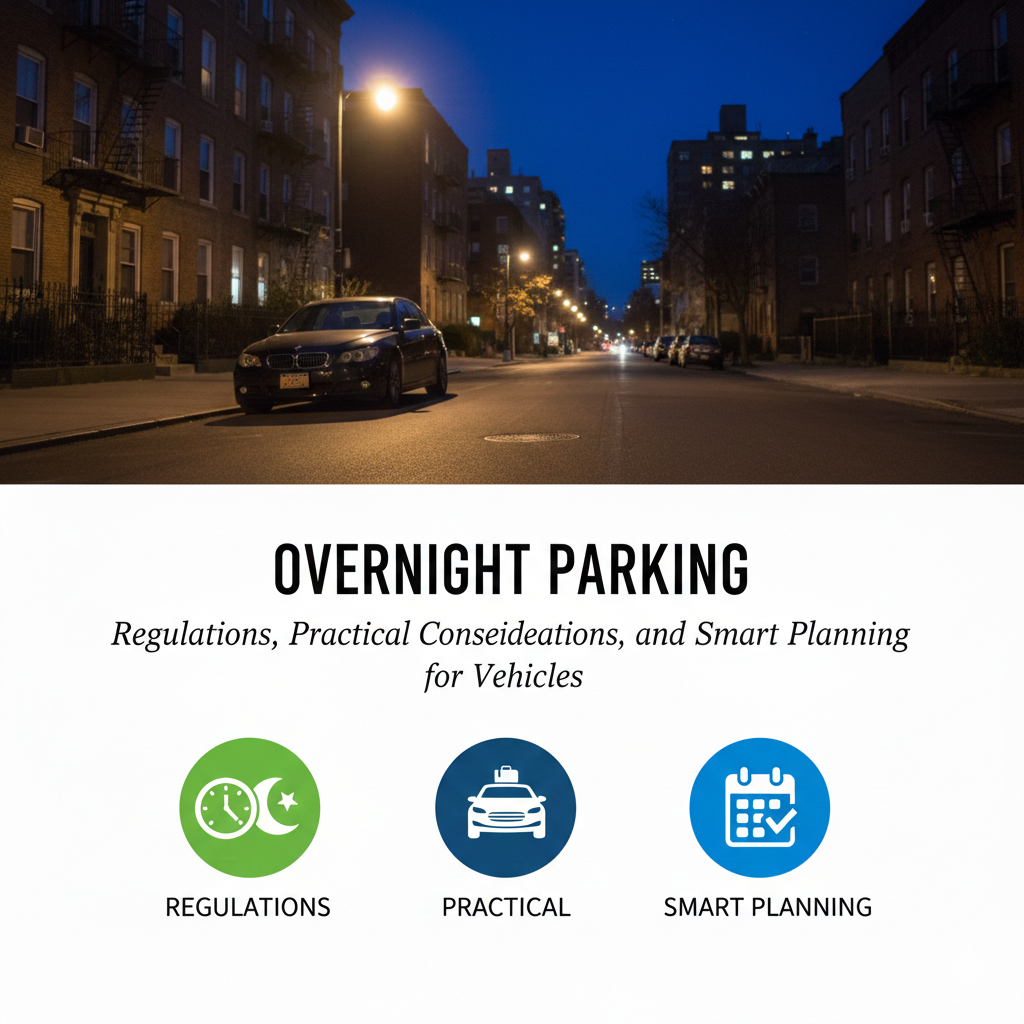
Overnight parking is an important yet often misunderstood aspect of vehicle ownership, urban planning, and property management. Whether for residents, travelers, commercial drivers, or visitors, the ability to park a vehicle safely and legally overnight affects convenience, security, and compliance with local rules. While daytime parking often receives more attention, overnight parking comes with its own unique challenges, including restrictions, safety concerns, enforcement policies, and logistical considerations.
As cities grow and residential areas become more densely populated, overnight parking has evolved into a regulated practice rather than an informal convenience. Understanding how overnight parking works, why regulations exist, and how to plan responsibly helps vehicle owners avoid fines, towing, and unnecessary stress. This article provides a comprehensive overview of overnight parking, exploring its purpose, rules, challenges, and best practices for both individuals and property managers.
Understanding What Overnight Parking Means
Overnight parking generally refers to leaving a vehicle parked in a specific location during late evening and nighttime hours, typically spanning from late night until early morning. The exact definition varies depending on local regulations, property rules, and enforcement policies. In many areas, overnight parking is defined by a specific time window, such as from midnight to early morning, while in others it may begin earlier in the evening.
The purpose of distinguishing overnight parking from daytime parking lies in how space is managed and maintained. Overnight hours are often used for street cleaning, snow removal, emergency access, or neighborhood safety measures. As a result, many municipalities, residential communities, and private properties impose rules to control where and how vehicles can remain parked overnight.
Understanding the definition of overnight parking in a given area is the first step toward compliance. Assumptions based on daytime parking rules can lead to violations, making it essential for vehicle owners to familiarize themselves with local guidelines.
Why Overnight Parking Is Regulated
Overnight parking regulations exist for practical, safety, and administrative reasons. One of the primary motivations is to ensure that streets and shared spaces remain accessible for essential services. Emergency vehicles, sanitation crews, and maintenance teams often operate during nighttime hours when traffic is lighter. Unregulated overnight parking can obstruct these operations and create hazards.
Another reason for regulation is neighborhood safety and appearance. Long-term overnight parking of vehicles on public streets may raise concerns about abandoned cars, increased congestion, or reduced visibility. Residential communities often establish overnight parking rules to maintain order, protect property values, and ensure fair access to limited parking spaces.
Environmental and infrastructure considerations also play a role. In some regions, overnight parking restrictions support street cleaning schedules, snow plowing, or road repairs. By limiting where vehicles can remain overnight, municipalities can perform essential services more efficiently.
Ultimately, overnight parking regulations aim to balance individual convenience with broader community needs, ensuring that public and private spaces function effectively.
Overnight Parking in Residential Areas
Residential neighborhoods are among the most regulated environments for overnight parking. Many cities restrict overnight parking on public streets in residential zones unless a permit is obtained. These rules are particularly common in densely populated areas where parking demand exceeds available space.
Homeowners associations and apartment complexes often enforce their own overnight parking policies. These rules may designate specific areas for resident vehicles, guest parking, or prohibit overnight parking altogether in certain zones. Violations can result in warnings, fines, or towing, depending on the property’s enforcement procedures.
For residents, understanding overnight parking rules is essential to avoid penalties and maintain positive relationships within the community. Guests should also be informed of any restrictions to prevent inconvenience. Clear communication and proper planning help ensure compliance and reduce frustration.
Overnight Parking for Travelers and Visitors
Travelers frequently encounter overnight parking challenges, especially when staying in unfamiliar areas. Hotels, rental properties, and short-term accommodations often have specific overnight parking arrangements that must be confirmed in advance.
Some hotels provide dedicated overnight parking facilities, while others rely on shared or nearby parking structures. In urban areas, overnight street parking near hotels may be restricted or require permits. Visitors who assume overnight parking is allowed based on daytime availability may face fines or towing.
For travelers using recreational vehicles, vans, or long-term parking solutions, overnight parking becomes even more complex. Certain locations prohibit overnight parking for large vehicles or vehicles used for sleeping. Researching local regulations and designated parking options is critical for avoiding legal issues.
Overnight Parking and Commercial Vehicles
Commercial vehicles often face stricter overnight parking regulations due to their size, weight, and potential impact on residential areas. Many municipalities prohibit overnight parking of commercial vehicles on public streets, especially in residential zones.
These restrictions aim to reduce noise, congestion, and visual impact while ensuring safety. Commercial drivers must plan overnight parking carefully, often relying on designated lots, commercial parking facilities, or private agreements.
For businesses that operate fleets, understanding overnight parking regulations is a key aspect of logistics planning. Failure to comply can result in fines, towing, or disruptions to operations. Responsible overnight parking practices support compliance and operational efficiency.
Safety Considerations for Overnight Parking
Safety is a major concern when it comes to overnight parking. Vehicles left unattended overnight are more vulnerable to theft, vandalism, and damage. Choosing a well-lit, secure location significantly reduces these risks.
Parking in designated areas with surveillance, controlled access, or on-site security provides added protection. In residential settings, overnight parking in approved spaces helps ensure that vehicles are visible and monitored.
Personal safety is also a factor, particularly for individuals returning to their vehicles late at night or early in the morning. Proximity to entrances, lighting, and pedestrian traffic can influence safety and comfort. Thoughtful planning enhances both vehicle security and personal well-being.
Legal Implications and Enforcement
Overnight parking violations can carry legal and financial consequences. Fines, citations, and towing are common enforcement measures used by municipalities and property managers. In some cases, repeated violations may result in escalating penalties.
Enforcement methods vary widely. Some areas rely on routine patrols, while others respond to complaints or use automated monitoring systems. Private properties may contract towing services to enforce overnight parking rules.
Understanding enforcement practices helps vehicle owners assess risk and comply proactively. Ignorance of overnight parking regulations is rarely accepted as a valid defense, making awareness essential.
Overnight Parking Permits and Exemptions
Many jurisdictions offer overnight parking permits to accommodate residents, guests, or special circumstances. These permits may allow vehicles to park overnight in designated areas for a limited time or under specific conditions.
Permit systems are designed to balance flexibility with regulation. Applicants may need to provide proof of residency, vehicle registration, or temporary need. Some permits are issued for specific durations, such as short-term guest stays or construction-related needs.
Understanding how to obtain and use overnight parking permits provides a legal solution for those who require regular or occasional overnight parking access.
Private Property and Overnight Parking
Overnight parking rules on private property differ from public regulations but are equally important. Property owners have the authority to set parking policies, including restrictions on overnight use.
Retail centers, office complexes, and shared parking facilities often prohibit overnight parking to prevent misuse or unauthorized vehicle storage. Violations may result in towing without notice, depending on posted signage and local laws.
For vehicle owners, reading posted signs and understanding property rules is essential. When in doubt, seeking permission or clarification can prevent costly mistakes.
Overnight Parking and Urban Planning
Overnight parking plays a significant role in urban planning and infrastructure development. As cities grow, balancing parking availability with transportation goals becomes increasingly complex.
Some urban areas restrict overnight parking to encourage public transportation use, reduce congestion, or support walkable neighborhoods. Others invest in parking structures or permit systems to manage demand.
Urban planners consider overnight parking when designing residential developments, mixed-use spaces, and transportation networks. These decisions influence how communities function and evolve over time.
Best Practices for Managing Overnight Parking
Effective overnight parking management begins with awareness and preparation. Vehicle owners should familiarize themselves with local regulations, posted signage, and property rules before leaving a vehicle overnight.
Planning ahead, using designated parking facilities, and obtaining permits when necessary reduce the risk of violations. For long-term needs, exploring private parking options or garages may provide added security and convenience.
Property managers can support effective overnight parking by clearly communicating rules, maintaining signage, and providing adequate parking options. Transparency and consistency promote compliance and reduce conflicts.
Technology and Overnight Parking Solutions
Technology has transformed how overnight parking is managed and accessed. Mobile apps, online permit systems, and digital payment platforms simplify the process of finding and securing overnight parking.
Smart parking solutions provide real-time availability, enforcement integration, and user notifications. These tools help drivers make informed decisions and reduce uncertainty.
As technology continues to advance, overnight parking is likely to become more efficient, user-friendly, and integrated into broader transportation systems.
Environmental Considerations
Overnight parking also has environmental implications. Concentrated parking areas can contribute to heat buildup, runoff, and land use challenges. Thoughtful planning and design help mitigate these effects.
Some communities incorporate green infrastructure, permeable surfaces, and shared parking strategies to reduce environmental impact. Encouraging responsible overnight parking supports sustainability goals and efficient land use.
The Future of Overnight Parking
The future of overnight parking will be shaped by changing transportation trends, urban growth, and technological innovation. As ride-sharing, electric vehicles, and autonomous transportation expand, parking needs and patterns may shift.
Communities will continue to adapt overnight parking policies to balance convenience, safety, and sustainability. Flexibility and innovation will play key roles in meeting evolving demands.
Conclusion
Overnight parking is a complex but essential aspect of modern transportation and community living. From residential neighborhoods and commercial properties to travel accommodations and urban planning, overnight parking affects safety, convenience, and compliance.
Understanding regulations, recognizing safety considerations, and planning responsibly allow vehicle owners to navigate overnight parking with confidence. Whether through permits, designated facilities, or private arrangements, informed decision-making helps avoid penalties and ensures positive outcomes.
As cities and communities continue to evolve, overnight parking will remain a critical consideration, requiring thoughtful management and cooperation between individuals, property owners, and governing authorities.