

The Imagined Origins
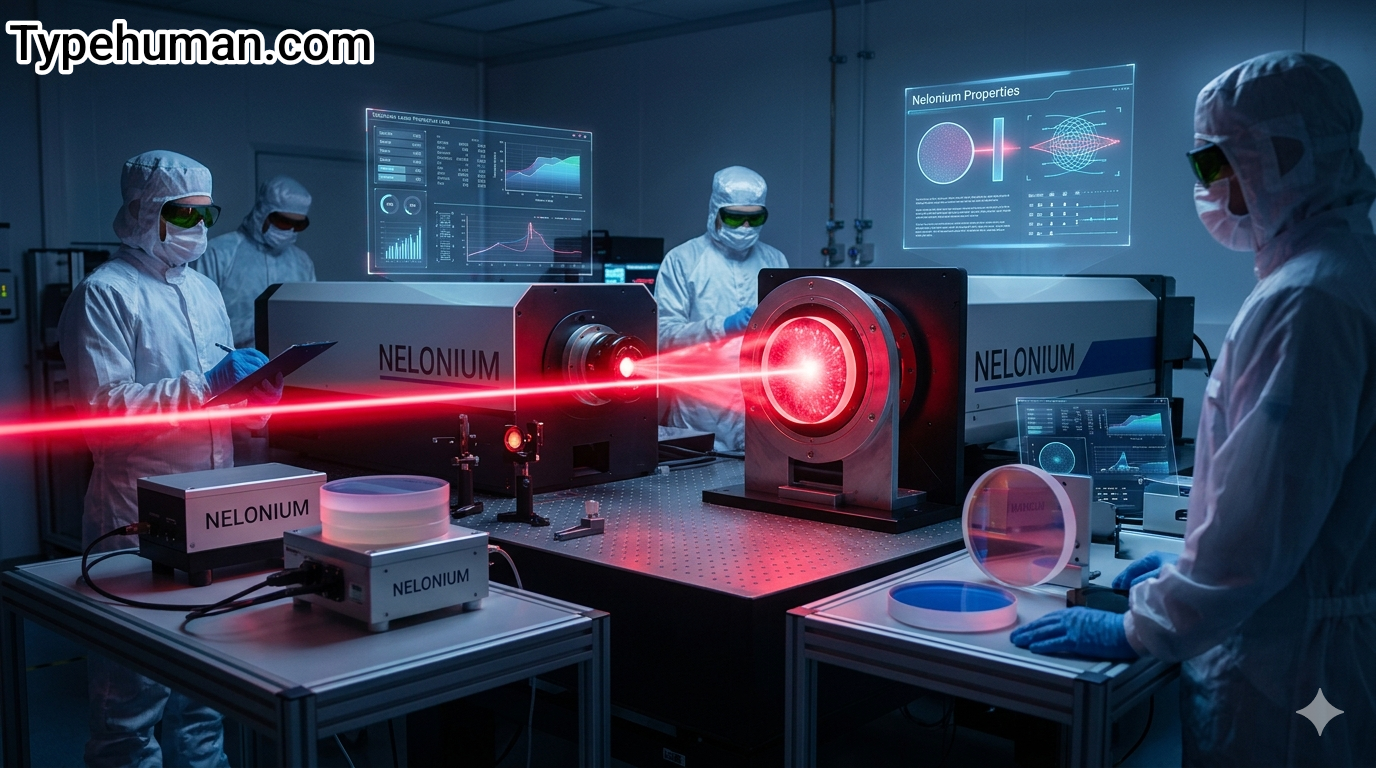
The origins of nelonium are steeped in speculation. Some believe it was discovered accidentally during a high-energy physics experiment, while others think it emerged from advanced nanotechnology research. Whispers of alien influence add to its allure, sparking imaginations about its otherworldly properties. This mystique fuels ongoing fascination with the potential applications and implications of this enigmatic material.
The Hypothetical Superpowers
Imagine a material that self-repairs after damage, conducts electricity without resistance, and absorbs carbon dioxide from the atmosphere. Nelonium could possess these extraordinary abilities. Its theoretical flexibility might allow for applications in countless fields, from energy storage to environmental remediation. The possibilities are captivating and fuel ongoing discussions about its potential role in revolutionizing technology and sustainability.
Where Nelonium Could Change the Game
Nelonium has the potential to revolutionize multiple sectors. In aerospace, its lightweight strength could enhance fuel efficiency. Electronics might benefit from improved conductivity and miniaturization. The automotive industry could see lighter vehicles that are safer and more efficient. Even construction materials may evolve, offering durability without compromising sustainability, igniting a shift in how we build our future.
The Science Reality Check
Despite its buzz, nelonium remains a theoretical concept. Scientists have yet to isolate or synthesize this material. Theoretical models suggest incredible properties, but empirical evidence is lacking. Researchers are cautious, emphasizing the need for rigorous testing and validation. Until real-world applications emerge, nelonium exists in the realm of speculation rather than established science.
Why People Are Talking About Nelonium
Nelonium has captured the imagination of scientists, innovators, and enthusiasts alike. Its promising properties suggest revolutionary applications across various fields. Social media buzz and academic discussions are rife with speculation about its potential. As researchers unveil new findings, curiosity grows around how nelonium could reshape industries—from construction to electronics—sparking excitement in material science communities worldwide.
Challenges and Limitations
Despite its promising potential, nelonium faces significant challenges. Its synthesis remains complex and costly, posing barriers to widespread use. Additionally, the lack of extensive research leaves many questions unanswered about safety and stability. Industry standards must adapt before nelonium can be integrated into existing frameworks, limiting immediate applicability across various sectors.
Nelonium in Culture and Imagination
Nelonium has captivated the imagination of writers, artists, and scientists alike. It appears in sci-fi narratives as a miraculous substance with limitless potential. Pop culture references spark curiosity, inspiring discussions about futuristic technologies. As creators envision its applications, Nelonium becomes a symbol of hope for innovation and exploration in material science—a bridge between dreams and reality.
Advantages of Nelonium over Traditional Materials
Nelonium boasts superior strength and lightweight properties, making it ideal for aerospace applications. Its resistance to extreme temperatures and corrosion outperforms traditional materials like steel or aluminum. Additionally, Nelonium’s flexibility allows for innovative designs that were previously impossible. This unique combination not only enhances performance but also reduces energy consumption in manufacturing processes across various industries.
Potential impact on various industries
Nelonium has the potential to revolutionize numerous industries. In construction, it could lead to lighter yet stronger materials. The tech sector might benefit from enhanced conductivity and durability in devices. Automotive manufacturers may embrace nelonium for fuel-efficient vehicles. Even healthcare could see advancements in drug delivery systems, making treatments more effective and accessible to patients worldwide.
Environmental considerations and sustainability
Nelonium’s promise lies in its potential for sustainable applications. Researchers are exploring its production methods, aiming to minimize environmental impact. Its lightweight nature could reduce energy consumption in transportation and construction. Moreover, if sourced responsibly, nelonium may offer an eco-friendly alternative to traditional materials, aligning with the growing demand for greener solutions across industries.
Future research and development opportunities
The future of nelonium holds immense potential for research and development. Scientists are exploring its unique properties, aiming to unlock new applications in nanotechnology and medicine. Collaborative efforts between academia and industry may pave the way for innovative breakthroughs, further enhancing our understanding of this fascinating material. The possibilities seem limitless as curiosity fuels exploration.
Comparison with Traditional Materials
Nelonium offers unique properties that set it apart from traditional materials. While metals are strong, nelonium is lightweight yet incredibly durable. Unlike plastics, it’s non-toxic and can be recycled without losing its integrity. These distinctions make nelonium a promising alternative in various applications, pushing the boundaries of what modern materials can achieve in terms of performance and sustainability.
Advancements in Nelonium Research and Development
Recent advancements in nelonium research have unveiled its remarkable potential. Scientists are experimenting with innovative synthesis methods, improving its properties. New applications are being explored across various sectors, from electronics to construction. Collaborations between universities and industries are accelerating development, making nelonium a focal point of cutting-edge material science discussions today. Exciting times lie ahead for this revolutionary substance.
Environmental Impact of Nelonium
Nelonium presents a fascinating opportunity for eco-friendly innovation. Its production methods could minimize waste, and its durability may reduce the need for frequent replacements. Additionally, if sourced responsibly, Nelonium might decrease reliance on non-renewable materials. The potential environmental benefits make it an exciting topic in sustainable material science discussions today.
Challenges and Future Developments
Nelonium faces significant challenges, including production scalability and material stability. Researchers must tackle these issues to unlock its full potential. Future developments will likely focus on enhancing synthesis methods and exploring real-world applications. Collaboration between scientists and industry leaders could pave the way for breakthroughs, transforming nelonium from concept to practical use in various fields.
 Qasim Bhai