

In many organizations, email is more than just a communication tool—it’s part of how businesses operate, build relationships, and maintain accountability. This is especially true in industries where legal compliance matters, such as finance, healthcare, and corporate services.
One small but important detail in every email is the signature. While it might seem like a simple sign-off, a legal email signature carries weight. It often includes disclaimers, company details, and required information that protect both the business and the recipient.
For organizations using HCL Domino, managing these signatures properly is essential. Without a clear system in place, inconsistencies can arise, and compliance risks can increase. Let’s explore why managing legal email signatures matters and how businesses can handle it effectively.
Why Legal Email Signatures Matter More Than You Think
Legal email signatures are not just about branding—they play a key role in compliance and risk management. Many organizations are required to include specific information in their emails, such as disclaimers, confidentiality notices, or company registration details.
For example, a financial services firm may need to include a disclaimer about the nature of its advice. A legal firm might add confidentiality statements to protect sensitive information. Even in general business communication, clear identification of the sender and organization is important.
This ties closely to email compliance, where businesses follow legal and regulatory requirements in their communication. Missing or inconsistent disclaimers can lead to misunderstandings or even legal complications.
Imagine a situation where two employees send similar emails, but only one includes the proper legal disclaimer. This inconsistency can create confusion and expose the organization to unnecessary risk.
By properly managing email signatures, businesses can ensure that every message includes the necessary legal elements—no matter who sends it.
The Challenge of Managing Signatures in Large Organizations
For companies using HCL Domino, especially those with large teams, managing email signatures manually can quickly become complicated.
Each employee may have their own signature. Some may forget to include required disclaimers, while others might use outdated formats or incorrect information. Over time, this leads to inconsistencies across the organization.
Consider a company with multiple departments—legal, finance, sales, and customer support. Each department might require slightly different information in its signatures. Without centralized control, keeping everything aligned becomes difficult.
There’s also the issue of updates. If a company needs to change its legal disclaimer or update contact details, doing this manually for every employee can take significant time and effort.
This is where many organizations run into problems. Without a structured system, maintaining consistency becomes a constant challenge.
Centralizing Control for Better Compliance and Consistency
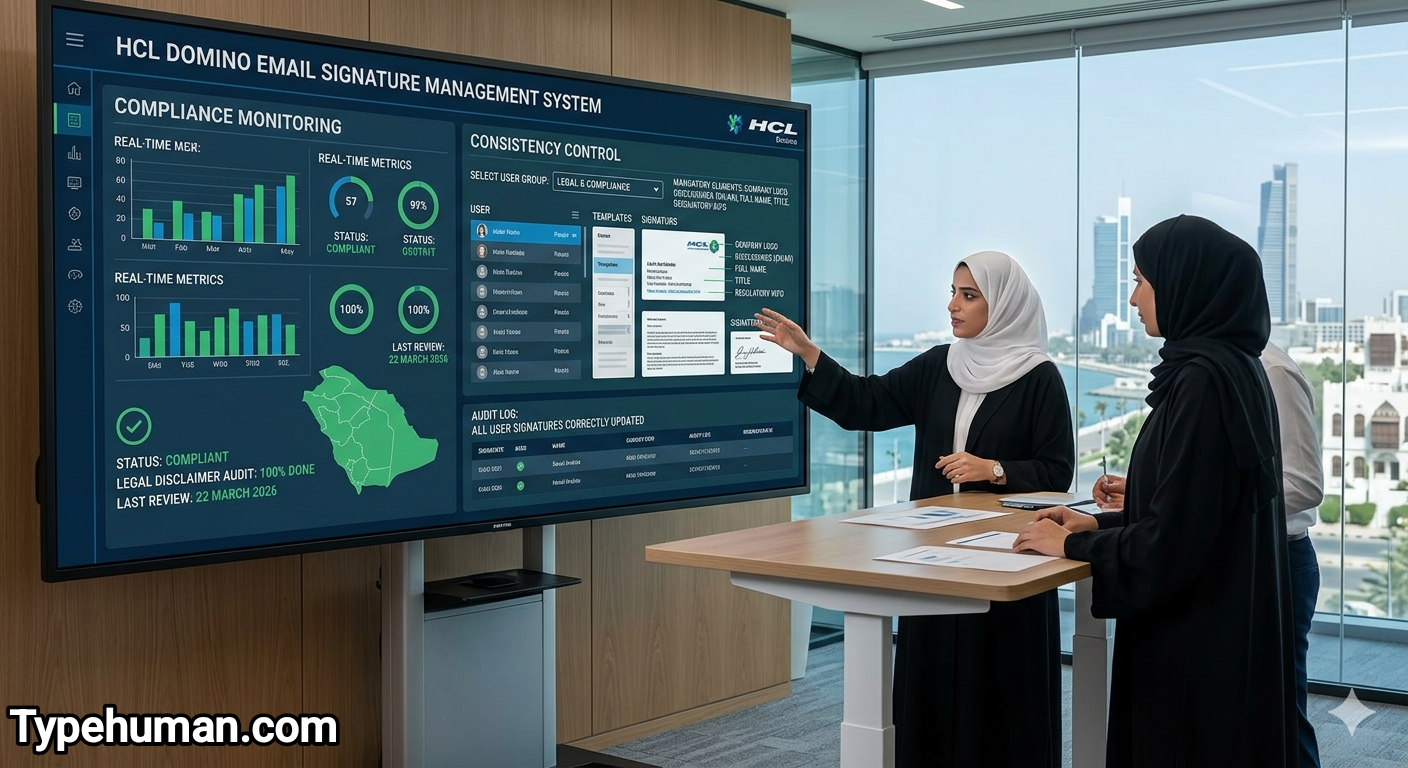
The most effective way to manage legal email signatures is through centralized control. Instead of relying on individual employees, the organization can manage signatures from a single point.
This approach ensures that every email sent follows the same rules and includes the correct information.
For example, a centralized system can:
- Automatically apply legal disclaimers to all outgoing emails.
- Ensure consistent formatting across the organization.
- Update signatures instantly when changes are needed
- Customize signatures for different departments or roles.
In an HCL Domino environment, this kind of management helps maintain both compliance and professionalism. It removes the guesswork for employees and ensures that nothing important is left out.
Midway through implementing this approach, many organizations explore solutions such as legal email signatures HCL domino to streamline the process and maintain control over all email communications.
By handling signatures centrally, businesses can reduce errors, save time, and ensure that every email meets legal and branding requirements.
Keeping Information Accurate and Up to Date
Another important benefit of managing email signatures centrally is accuracy.
In any organization, details change over time. Employees move roles, phone numbers get updated, and legal disclaimers may need revisions. When signatures are managed individually, these updates can easily be missed.
For example, an employee who changes departments might still be using an old signature. Or a company might update its legal wording, but only some employees apply the change.
These small inconsistencies can add up, leading to confusion or even compliance issues.
With a centralized system, updates can be applied instantly across all users. This ensures that every email reflects the most current and accurate information.
It also reduces the burden on employees, who no longer need to worry about maintaining their own signatures.
Supporting Professional Communication Across Teams
Consistency isn’t just about compliance—it also affects how a business is perceived.
When every email follows the same format and includes clear, accurate information, it creates a sense of professionalism and reliability. This is especially important when communicating with clients, partners, or stakeholders.
For example, a legal firm sending emails with consistent signatures reinforces its attention to detail. A corporate organization that uses standardized signatures across departments demonstrates a commitment to structure and organization.
Even in everyday interactions, these details matter. A clear and well-structured signature makes it easier for recipients to identify the sender, understand their role, and know how to respond.
This improves communication and helps build trust over time.
Reducing Risk While Saving Time
Managing legal email signatures manually is not only time-consuming—it also increases the risk of mistakes.
Employees may accidentally delete parts of a disclaimer, use outdated information, or format their signatures incorrectly. Each of these issues can create potential problems.
By automating and centralizing processes, businesses can significantly reduce these risks.
For example:
- Legal disclaimers are always included and correctly formatted.
- Branding elements remain consistent across all emails.
- Updates are applied quickly without manual effort.
- Employees can focus on their work instead of managing signatures.
This combination of efficiency and accuracy is what makes centralized signature management so valuable, especially in environments where compliance is critical.
A Small Detail That Makes a Big Difference
At first glance, email signatures might seem like a minor detail. But in reality, they play an important role in both communication and compliance.
For organizations using HCL Domino, managing legal email signatures effectively is essential. It ensures that every email meets regulatory requirements, maintains consistency, and reflects a professional image.
By centralizing control, keeping information up to date, and reducing the risk of errors, businesses can turn email signatures into a reliable and valuable part of their communication strategy.
In the end, it’s about more than just adding a disclaimer—it’s about creating a system that supports the entire organization, one email at a time.
 hamza seo