

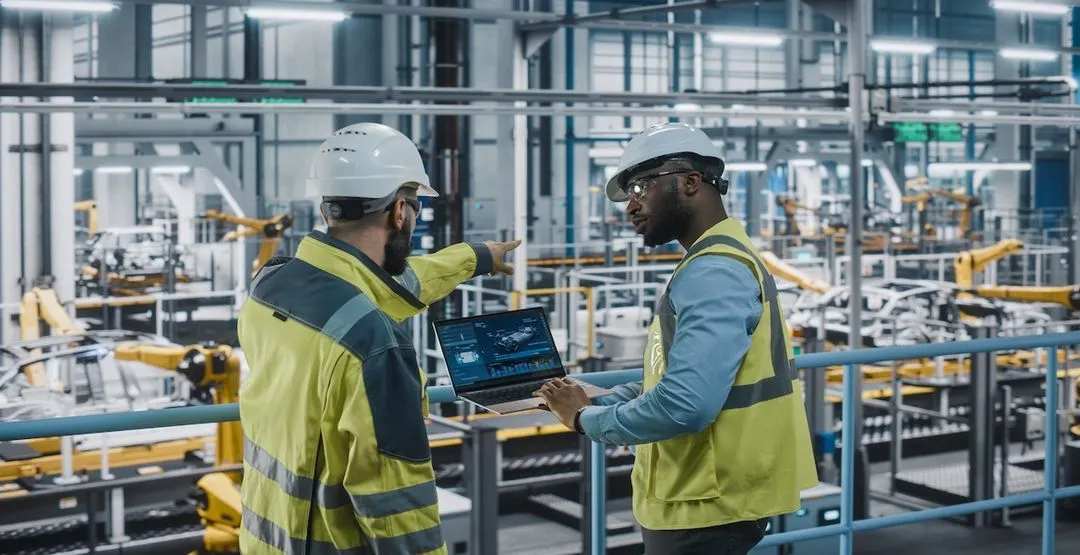
Factory floors have changed dramatically over the past decade. Automation and data-driven systems have replaced manual processes, creating environments that are faster and more efficient, but also more complex. With this complexity comes a new set of risks, and system failures can escalate quickly if safety measures are not robust.
Modern control systems are designed to address these challenges. They go beyond basic compliance, embedding safety into the very architecture of industrial operations. From predictive monitoring to emergency isolation, these systems aim to prevent accidents before they occur.
Changing landscapes
Industrial safety used to mean physical barriers and manual lockout procedures. But while these remain essential, they are no longer enough. Factories today operate with interconnected machinery and software-driven controls. This complexity introduces new vulnerabilities: electrical faults, cyber threats, and human error amplified by automation.
The shift towards smart manufacturing has brought undeniable benefits, yet it also demands a rethink of safety strategies. Modern safety frameworks embrace layered protection. Physical safeguards still matter, but they are reinforced by digital interlocks, real-time monitoring, and predictive analytics. Standards such as IEC and ISO now emphasise system resilience and fail-safe design, ensuring that even in the event of a fault, critical operations can shut down safely.
Core principles
Modern control systems are built on one overriding principle: resilience. They are designed not only to operate efficiently but to fail safely when something goes wrong. This means every component, from sensors to software, must work together to prevent hazards before they escalate.
Reliability is the first layer. Systems must perform consistently under varying conditions, with redundancy built in to avoid single points of failure. If a sensor fails, a backup should take over instantly.
The second principle is visibility. Real-time monitoring allows operators to detect anomalies early. Predictive analytics go further, identifying patterns that signal potential faults before they occur.
Finally, compliance underpins everything. International standards ensure that even in the worst-case scenario, machinery can be isolated quickly and protect both workers and equipment.
Practical lessons
Modern control systems offer clear lessons for manufacturers aiming to reduce risk without slowing production.
- The first is isolation. When maintenance or emergencies occur, power sources must be cut quickly and completely. Devices such as disconnect switches remain indispensable because they provide a simple, physical guarantee that machinery is de-energised before work begins. No software substitute can match that certainty.
- The second lesson is human-centred design. Safety controls should be intuitive and accessible, even under pressure. Complex procedures or poorly labelled panels increase the chance of error. Clear visual indicators, ergonomic placement, and straightforward instructions make a critical difference when seconds matter.
- The third is integration. Physical safeguards like lockout/tagout systems should work in harmony with digital interlocks and smart sensors. A well-designed system prevents accidental restarts and alerts operators to hazards before they escalate. Predictive maintenance tools, for example, can flag wear and tear long before a failure occurs, reducing downtime and avoiding dangerous surprises.
They all share a common theme: safety is not an add-on. It must be embedded into every layer of factory operations, from hardware to software to human processes.
Future trends
The next decade will see predictive technologies take centre stage. Artificial intelligence and machine learning are already being used to analyse sensor data, spotting anomalies that indicate wear or potential failure. This allows maintenance teams to act before a breakdown occurs, reducing both risk and downtime.
Cybersecurity is another emerging priority. As factories become more connected, control systems are vulnerable to malicious interference. A cyberattack on an industrial network can be as dangerous as a mechanical fault, making digital security an integral part of safety planning.
Sustainability also plays a role. Energy-efficient systems and eco-friendly materials must meet the same rigorous safety standards as traditional equipment. Manufacturers will need to balance environmental goals with uncompromising protection for workers.
The future of factory safety is proactive, data-driven, and holistic – combining physical safeguards with intelligent systems to create environments that are not only productive but resilient Not about ticking compliance boxes. Investing in safety is not just a legal obligation but a strategic advantage. After all, a factory that prevents accidents, minimises downtime, and inspires confidence is one that thrives in a competitive, fast-changing world.
 Shaban Ch
  hamza seo