

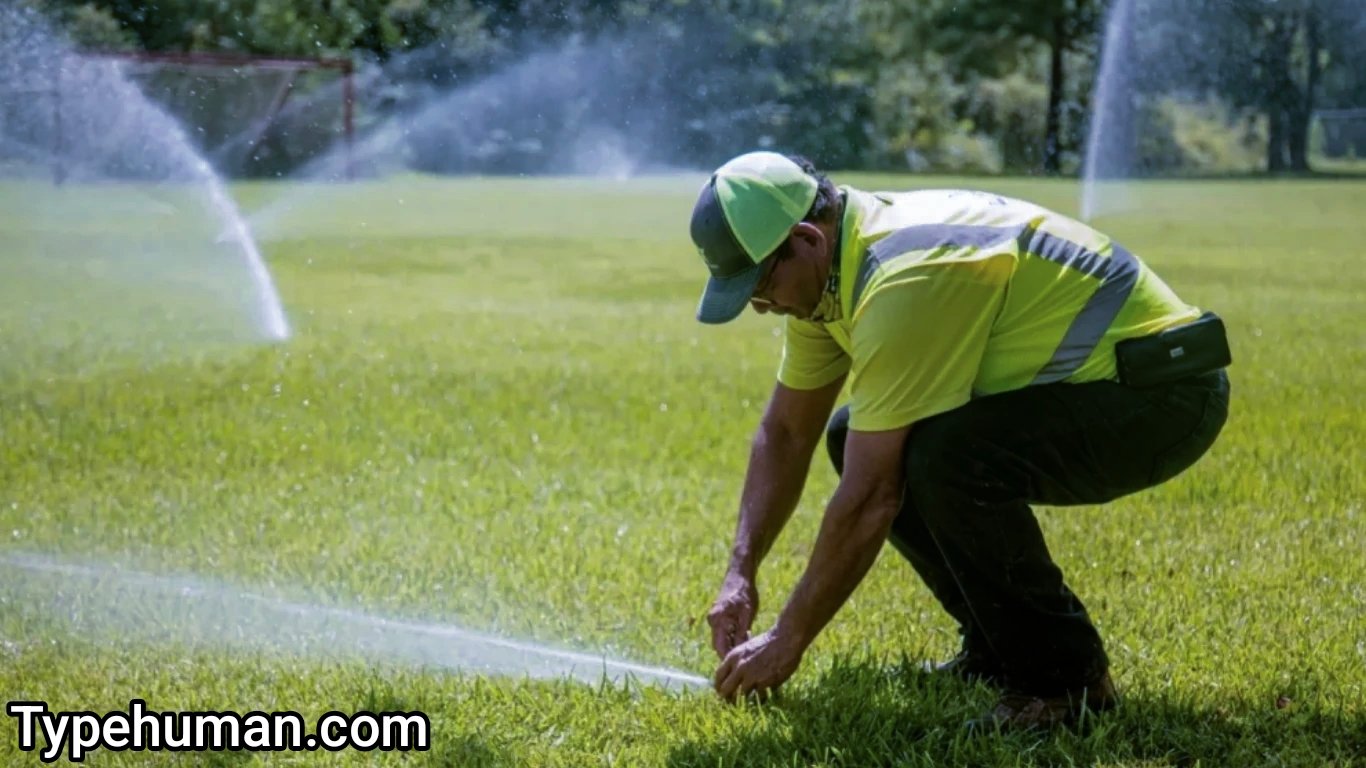
Irrigation systems play a vital role in maintaining healthy landscapes, gardens, and lawns by delivering water efficiently and consistently to plants. When an irrigation system is functioning properly, it supports plant growth, conserves water, and reduces the effort required to maintain outdoor spaces. However, like any mechanical system exposed to the elements, irrigation systems are subject to wear, damage, and gradual performance decline. This is where irrigation repair becomes essential, advises leading property management Edgewater FL company, Sun-Pro Realty and Management.
Irrigation repair is not simply about fixing visible problems such as broken sprinkler heads or leaking pipes. It involves diagnosing underlying issues, restoring system efficiency, and ensuring that water is distributed evenly and responsibly. Without timely repair and maintenance, irrigation systems can waste significant amounts of water, increase utility costs, and damage landscapes rather than support them. Understanding the importance of irrigation repair helps property owners protect their investment in landscaping while promoting sustainability and long-term performance.
Understanding Irrigation Systems and Their Components
To fully appreciate the value of irrigation repair, it is important to understand how irrigation systems function. Most modern irrigation systems consist of several interconnected components that work together to deliver water efficiently. These components typically include a water source, valves, pipes, sprinkler heads or drip emitters, controllers, and sensors.
The controller serves as the system’s control center, determining when and how long watering cycles occur. Valves regulate water flow to different zones, allowing customized watering schedules based on plant needs. Pipes transport water throughout the system, while sprinkler heads or drip emitters distribute water to the landscape. Sensors, such as rain or soil moisture sensors, help prevent overwatering by adjusting schedules based on environmental conditions.
When any of these components malfunction, the system’s overall performance is compromised. Irrigation repair focuses on identifying which components are failing, understanding why the issue occurred, and restoring the system to optimal working condition. A comprehensive repair approach considers the system as a whole rather than addressing isolated symptoms.
Why Irrigation Repair Is Essential
Irrigation repair is essential for several reasons, including water conservation, landscape health, cost control, and environmental responsibility. A malfunctioning irrigation system can waste large amounts of water through leaks, overspray, or inefficient scheduling. This waste not only increases water bills but also places unnecessary strain on local water resources.
From a landscaping perspective, uneven watering can lead to dry patches, overwatered areas, root rot, or plant stress. Grass may become thin and discolored, while shrubs and flowers may fail to thrive. In some cases, excess water can even damage soil structure, leading to erosion or compaction.
Prompt irrigation repair helps restore balance by ensuring that water reaches plants in the correct amounts and locations. It also protects hardscapes, foundations, and walkways from water damage caused by leaks or misdirected spray. In this way, irrigation repair supports both aesthetic appeal and structural integrity.
Common Signs That Irrigation Repair Is Needed
Many irrigation problems develop gradually, making them easy to overlook until significant damage occurs. Recognizing early warning signs allows property owners to address issues before they escalate.
One of the most common signs is uneven watering, where some areas appear overly wet while others remain dry. This often indicates clogged, misaligned, or damaged sprinkler heads. Another sign is water pooling or runoff, which may result from broken pipes, cracked fittings, or incorrect pressure levels.
Unusually high water bills can also signal hidden leaks or inefficient system operation. In some cases, irrigation systems may fail to turn on or off properly due to controller malfunctions or valve issues. Visible spray misting, rather than controlled streams or droplets, suggests pressure problems that reduce efficiency and increase evaporation.
By paying attention to these indicators, property owners can seek irrigation repair before small problems turn into costly repairs or water waste.
Types of Irrigation Repair Services
Irrigation repair encompasses a wide range of services designed to restore system functionality and efficiency. These services vary depending on the type of system, the nature of the problem, and the specific needs of the landscape.
Sprinkler head repair and replacement are among the most common services. Sprinkler heads can crack, clog, sink into the ground, or become misaligned over time. Repairing or replacing these components ensures proper spray patterns and coverage.
Pipe and valve repairs address leaks, pressure loss, and flow issues. Underground pipes may crack due to soil movement, freezing temperatures, or aging materials. Valves may fail to open or close correctly, disrupting watering schedules. Proper repair requires careful excavation, precise replacement, and pressure testing.
Controller and electrical repairs focus on restoring accurate scheduling and zone control. Faulty wiring, outdated controllers, or damaged sensors can cause irrigation systems to operate inefficiently or unpredictably. Upgrading or repairing these components improves automation and water management.
Drip irrigation repair involves inspecting emitters, tubing, and filters to ensure consistent water delivery to plants. Drip systems are highly efficient when functioning correctly but can become clogged or damaged if not maintained.
The Irrigation Repair Process
Effective irrigation repair follows a structured process that begins with a thorough inspection and diagnosis. A professional evaluation examines all system components, identifies visible and hidden issues, and assesses overall efficiency. This step is crucial for understanding not just what is broken, but why the problem occurred.
Once issues are identified, a repair plan is developed. This plan prioritizes critical repairs, addresses underlying causes, and considers opportunities for system improvement. Repairs are then performed using appropriate materials and techniques to ensure durability and compatibility with existing components.
After repairs are completed, the system is tested to confirm proper operation. Each zone is activated to verify coverage, pressure, and timing. Adjustments are made as needed to fine-tune performance. A final walkthrough ensures that the system operates efficiently and meets the landscape’s watering requirements.
This systematic approach distinguishes effective irrigation repair from temporary fixes, ensuring long-term reliability and water efficiency.
Water Efficiency and Sustainability Benefits
One of the most important benefits of irrigation repair is improved water efficiency. Leaks, broken components, and outdated equipment can waste thousands of gallons of water annually. Repairing these issues significantly reduces water consumption and supports conservation efforts.
Efficient irrigation systems deliver water directly where it is needed, minimizing evaporation, runoff, and overspray. Modern repair solutions often include upgrading components such as pressure regulators, high-efficiency sprinkler heads, or smart controllers that adjust watering based on weather conditions.
By reducing water waste, irrigation repair contributes to environmental sustainability while lowering utility costs. This alignment of financial and environmental benefits makes irrigation repair a responsible and practical investment for homeowners and property managers alike.
Irrigation Repair for Residential Properties
In residential settings, irrigation repair helps maintain attractive lawns and gardens while supporting responsible water use. Homeowners often invest significant time and money into landscaping, making proper irrigation essential for protecting that investment.
Residential irrigation repair addresses issues such as uneven lawn coverage, malfunctioning controllers, and damaged sprinkler heads caused by lawn equipment or foot traffic. Seasonal adjustments are also important, as watering needs change throughout the year.
By keeping irrigation systems in good working condition, homeowners enjoy healthier landscapes, reduced maintenance effort, and lower water bills. Regular inspections and timely repairs prevent small problems from escalating and ensure consistent performance.
Irrigation Repair for Commercial and Large Properties
Commercial properties, parks, and multi-unit residential complexes often rely on extensive irrigation systems to maintain large landscaped areas. In these settings, irrigation repair is especially critical due to the scale and complexity of the systems involved.
Large systems may include multiple zones, advanced controllers, and diverse plant types with varying water requirements. A single malfunctioning component can affect a wide area, leading to water waste or landscape damage.
Professional irrigation repair for commercial properties focuses on efficiency, compliance with water regulations, and minimizing downtime. Well-maintained systems enhance curb appeal, support tenant satisfaction, and demonstrate environmental responsibility.
Seasonal Considerations in Irrigation Repair
Irrigation repair needs often vary by season. In colder climates, winterization and freeze damage repair are common concerns. Pipes and valves can crack if water is not properly drained before freezing temperatures occur.
In warmer seasons, increased usage may reveal pressure issues, worn components, or scheduling inefficiencies. Spring startup inspections are particularly important, as systems that were dormant during winter may develop leaks or alignment issues.
Addressing seasonal challenges through timely irrigation repair ensures that systems perform reliably year-round and adapt to changing environmental conditions.
Preventive Maintenance and Long-Term Care
Preventive maintenance is closely linked to irrigation repair and plays a key role in extending system lifespan. Regular inspections, cleaning of components, and performance adjustments help identify potential problems early.
Preventive measures include checking sprinkler alignment, cleaning filters, testing sensors, and reviewing controller settings. These tasks reduce the likelihood of unexpected breakdowns and improve overall efficiency.
By combining routine maintenance with timely irrigation repair, property owners can avoid major system failures and enjoy consistent performance over many years.
Choosing the Right Professional for Irrigation Repair
Selecting a qualified professional for irrigation repair is essential for achieving reliable results. Experienced technicians understand system design, water pressure dynamics, and local regulations, allowing them to diagnose and resolve issues accurately.
A professional approach emphasizes quality materials, proper installation techniques, and clear communication. Rather than offering quick fixes, skilled irrigation repair providers focus on long-term solutions that enhance efficiency and durability.
Working with knowledgeable professionals gives property owners confidence that repairs are performed correctly and that the system will continue to operate effectively.
The Long-Term Value of Irrigation Repair
Irrigation repair delivers long-term value by protecting landscapes, conserving water, and reducing operating costs. A properly functioning system supports plant health, enhances property appearance, and minimizes environmental impact.
Over time, the savings achieved through reduced water waste and fewer emergency repairs often outweigh the cost of regular maintenance and timely repairs. This makes irrigation repair a smart investment rather than an expense.
Beyond financial benefits, effective irrigation repair contributes to responsible resource management and sustainable landscaping practices, aligning individual property goals with broader environmental priorities.
Conclusion
Irrigation repair is a critical component of landscape management that ensures water is delivered efficiently, responsibly, and effectively. By addressing leaks, malfunctions, and inefficiencies, irrigation repair restores system performance and protects both landscapes and water resources.
From residential lawns to large commercial properties, timely and professional irrigation repair supports healthy plants, reduces waste, and enhances long-term value. Understanding the importance of system components, recognizing early warning signs, and prioritizing preventive maintenance all contribute to reliable irrigation performance.
When approached thoughtfully, irrigation repair is not merely a corrective measure but a proactive strategy that promotes sustainability, efficiency, and lasting landscape beauty.
 Qasim Bhai