

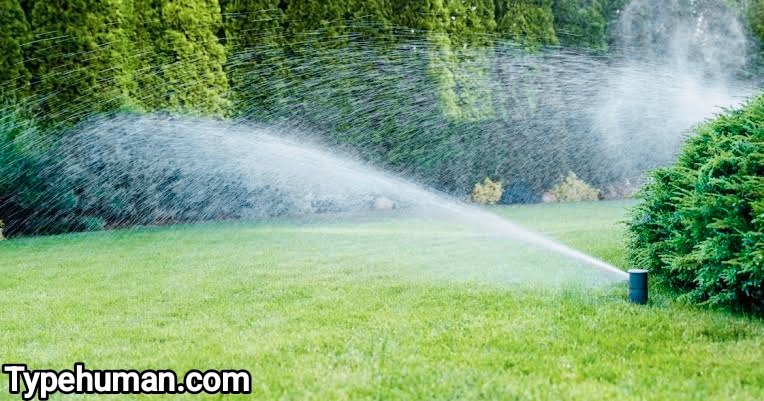
Proper irrigation is the foundation of thriving landscapes in residential gardens, commercial properties, and agricultural settings. An efficient irrigation system delivers the right amount of water at the right time, conserves resources, prevents soil erosion, and promotes sustainable growth while reducing environmental impact. Despite the advanced technology of modern irrigation systems, components such as pipes, sprinkler heads, valves, pumps, and controllers can develop issues over time. Leaks, clogs, misaligned sprinkler heads, and faulty valves all reduce the system’s efficiency, potentially wasting water, increasing utility costs, and threatening the health of plants. Timely irrigation repair is therefore essential to preserve the integrity of the system, ensure uniform water distribution, and protect long-term landscaping investments. By understanding the components, recognizing common problems, and addressing them promptly, property owners can maintain a reliable system that functions efficiently year-round.
How Irrigation Systems Function
Modern irrigation systems are designed to distribute water evenly across all zones of a property through a network of interconnected pipes, valves, pumps, and sprinkler heads. Water is transported through underground pipelines and delivered through emitters, drip lines, or sprinklers. Automated systems often incorporate timers, sensors, and controllers to regulate watering schedules based on soil moisture, plant types, and weather patterns, ensuring optimal hydration without overwatering. While these systems are highly effective when properly maintained, they remain vulnerable to wear and tear. Pipes may develop leaks due to soil movement or accidental impact, sprinkler heads can clog from dirt or debris, and valves may fail to operate correctly. Even minor malfunctions can cause uneven watering, over-saturation in some areas, and under-watering in others, compromising plant health and efficiency. Understanding the system’s operation highlights why irrigation repair is necessary to address malfunctions and maintain optimal performance.
Common Problems in Irrigation Systems
Irrigation systems face several recurring challenges, many of which require professional intervention to prevent long-term damage. Pipe leaks are among the most common issues, often caused by freezing temperatures, ground shifting, or physical damage. Even small leaks can lead to wasted water, dry patches, or soil erosion, and over time, they can increase utility costs and affect plant growth. Valves, which regulate water flow to different zones, can also fail, causing some areas to receive too much water while others are left dry. This imbalance not only stresses plants but also affects the overall efficiency of the system. Sprinkler heads are prone to clogging, misalignment, or breakage, often resulting in uneven coverage and wasted water. Pressure inconsistencies in the system can further reduce performance, as high pressure may damage pipes and heads while low pressure limits coverage. Finally, controllers and timers, essential for automated systems, can experience malfunctions that cause improper watering schedules, further highlighting the need for regular irrigation repair.
Signs That Indicate the Need for Repair
Property owners can often detect early warning signs that an irrigation system requires attention. Uneven plant growth, dry patches, or overwatered areas typically indicate improper water distribution. Excess water pooling or persistently soggy soil can point to leaks in underground pipes or damaged connections. Sprinkler heads that fail to rotate, spray inconsistently, or cover areas poorly suggest clogging, misalignment, or mechanical failure. Higher-than-usual water bills without changes in usage may signal hidden leaks, and visible soil erosion or damage near irrigation lines indicates a malfunctioning system. Recognizing these signs early allows for timely professional irrigation repair, preventing minor problems from escalating into larger, more costly issues and ensuring that landscapes remain healthy and water-efficient.
Advantages of Professional Irrigation Repair Services
Professional irrigation repair services offer multiple benefits beyond basic system maintenance. Skilled technicians bring specialized tools and expertise capable of detecting leaks, measuring water pressure, inspecting valves, clearing clogs, and ensuring proper coverage. A comprehensive inspection of pipes, controllers, pumps, and sprinkler heads helps identify hidden problems that homeowners may overlook. Accurate diagnosis allows for precise repairs, restoring uniform water distribution and preventing further damage to components. A properly repaired system functions efficiently, reducing water waste, conserving resources, and maintaining consistent irrigation coverage. Additionally, professional repairs extend the lifespan of system components, prevent strain caused by leaks or pressure inconsistencies, and minimize the risk of costly replacements in the future. Homeowners benefit from reliable performance, improved plant health, and peace of mind knowing their irrigation system is functioning optimally.
Preventive Measures to Reduce Repair Needs
While professional maintenance is critical, homeowners can adopt preventive strategies to minimize the occurrence of system issues. Regular inspections of sprinkler heads, pipes, and controllers allow early identification of potential problems, preventing larger failures. Seasonal adjustments to watering schedules based on temperature, rainfall, and plant needs help avoid overwatering or underwatering. Clearing debris from sprinkler heads and ensuring proper alignment maintains consistent coverage and reduces wear on components. Protecting irrigation lines from accidental damage during landscaping or construction work is also vital, as even minor impacts can cause leaks or misalignment. Using high-quality pipes, valves, and sprinkler heads increases system durability, reduces the likelihood of malfunctions, and ensures the system can withstand environmental stresses. By combining professional repairs with preventive care, property owners ensure that their irrigation system remains efficient, reliable, and long-lasting.
Environmental and Financial Benefits of Maintenance
Maintaining a functional irrigation system offers significant environmental and financial advantages. Efficient water delivery reduces waste, conserving a precious natural resource and supporting sustainable landscape practices. Properly irrigated plants are healthier, more resilient, and require fewer chemical treatments, contributing to a more sustainable ecosystem. Financially, efficient irrigation lowers water bills by minimizing unnecessary consumption, prevents emergency repairs, and reduces long-term replacement costs. Regular professional irrigation repair and preventive maintenance ensure both immediate and long-term savings while supporting environmental responsibility. Healthy, well-irrigated landscapes not only save money but also enhance property value and create aesthetically pleasing outdoor spaces that require less constant intervention.
Common Misconceptions About Irrigation Repair
Several misconceptions prevent homeowners from seeking timely irrigation repair. Many assume that minor leaks or clogs will resolve on their own, that repairs are unnecessary, or that professional services are too expensive for small issues. Others believe that basic manual adjustments suffice to maintain the system. In reality, small problems can escalate into major failures that increase costs, waste water, and damage landscapes. Ignoring malfunctioning valves, broken sprinkler heads, or leaks compromises system efficiency and plant health. Understanding the true value of timely professional irrigation repair encourages property owners to take proactive steps, maintaining both system performance and long-term landscape quality.
Choosing a Reliable Service Provider
Selecting an experienced, trustworthy service provider is essential for successful irrigation repair. Technicians should possess certifications, knowledge, and specialized tools to address various system issues, including pipe leaks, valve failures, clogged sprinklers, and pressure problems. Customer reviews, recommendations, and transparent pricing help homeowners identify reputable professionals who prioritize quality and long-term results. A competent service provider not only fixes immediate issues but also provides guidance for ongoing maintenance and system optimization. This ensures the system functions efficiently over time and reduces the risk of unexpected failures. Choosing the right professional combines technical expertise with guidance on preventive care, maximizing the benefits of the irrigation system.
Conclusion
Maintaining an efficient irrigation system is essential for water conservation, plant health, and landscape aesthetics. Ignoring small issues can lead to pipe leaks, clogged or misaligned sprinkler heads, malfunctioning valves, uneven water distribution, and wasted resources. Professional irrigation repair ensures that all components are functioning properly, restoring system efficiency, and preventing further damage. When combined with preventive practices such as regular inspections, seasonal adjustments, and careful operation, professional maintenance significantly extends the lifespan of the system while conserving water and lowering costs. Timely repair not only safeguards the health of plants but also enhances property value, supports sustainable water management, and ensures that landscapes thrive year-round. By investing in professional repair and ongoing maintenance, homeowners can enjoy vibrant, well-watered landscapes with minimal environmental impact and maximum operational efficiency.
 Qasim Bhai