

Collectibles can do something normal merchandise can not. They turn customers into fans who actively hunt, trade, show off, and talk about your brand. The goal is not just “sell a limited drop.” It is to build a system that creates excitement, rewards loyalty, and grows brand value over time.
A strong collectibles strategy sits at the intersection of brand strategy, who you are and why people care and smart product economics, how scarcity, demand, and distribution work. The collectibles market is also huge and growing, with major research firms estimating hundreds of billions in global value and continued growth through the next decade.
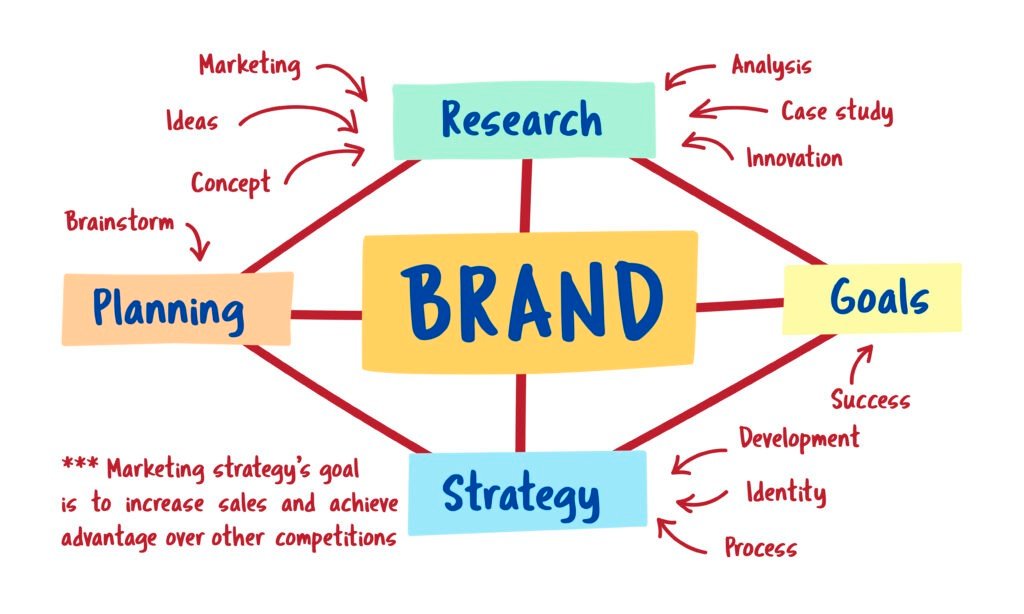
Start With The 7 Key Elements of Brand Strategy
Before you design your first collectible, get clear on your brand strategy. Different frameworks name things slightly differently, but most modern “7 elements” lists include the same core ideas: purpose, audience, value, positioning, personality, voice, and market/context.
- Your purpose is the “why” behind your brand beyond making money.
- Your target audience is the specific group you serve and the feelings you want to trigger.
- Your brand value (or promise) is what people reliably get from you.
- Positioning is how you want to be chosen versus alternatives.
- Personality is the human vibe people sense.
- Voice is how you sound in words, captions, packaging, and support.
- Market analysis is your reality check: trends, competitors, and what collectors already chase.
When these seven pieces are clear, your collectibles stop being random objects and start feeling like “part of the story.”
Pick a Collectibles Business Model That Fits Your Brand
A collectible only works when it has a reason to exist. That reason comes from your collectibles business model, how your brand creates, releases, and sustains demand.
Some brands win with very limited “grail” items like few units, high price, and high prestige. Others win with affordable series drops such as more units, frequent releases, and strong community.
Some use collectibles as a loyalty engine where members get early access, perks, and special editions. Others build partnerships, where your brand co-creates with artists, athletes, or franchises to borrow cultural energy.
In the first half of your plan, decide what you are optimizing for:
- Profit per item
- Customer retention
- Social buzz
- Community growth.
You can mix models, but you need a “main lane” so collectors understand how your world works.
Design The Collectible System, Not Just The Product
Collectors do not only buy objects. They buy completion, rarity tiers, and the thrill of discovery. That is why packaging, series structure, and release rhythm matter as much as the item.
A popular way to build repeat buying is mystery-style packaging and set collecting. For example, brands can explore custom blind boxes as a format that supports surprise, trading, and social unboxings, without needing every unit to be ultra-expensive. The key is fairness: publish odds or clear rarity logic, keep quality consistent, and make sure commons are still desirable so customers do not feel cheated.
Also plan the “collector journey.” How does someone go from first purchase to proud superfan? Consider a clear series roadmap (Season 1, Season 2), a checklist, limited variants, and occasional “chase” items that feel truly special.
Make Scarcity Feel Real And Protect Trust
Scarcity is the fuel of collectibles, but trust is the engine. If customers believe you will endlessly reprint “limited” items, the market cools fast.
Use scarcity in ways that feel honest: numbered editions, time-boxed releases, artist proofs, or “only for members” variants. Keep a public policy for reprints and restocks. Make authenticity easy to verify with tamper-proof packaging, QR verification, or unique serials. If you ever do reissues, label them clearly as reissues so early collectors still feel respected.
Build Distribution And Marketing Around Collector Behavior
Collectors do not shop like normal customers. They follow drops, watch resale markets, compare conditions, and care about provenance.
So your marketing should be built around rituals:
- Teasers
- Countdowns
- Behind-the-scenes content
- Unboxing videos
- Post-drop storytelling (how it was made, what it means, how rare it is).
Your distribution should reduce friction on drop day: fast checkout, clear limits per buyer, anti-bot protections when possible, and reliable shipping and packaging.
Pay attention to where collector attention already lives. eBay’s annual collecting trend reports, for example, highlight what categories and names are hot based on platform activity.
What is The Most Profitable Collectible?
There is not one single “most profitable collectible” in every situation, because profit depends on what you paid, how you sell, and how demand moves. But if you mean “biggest proven prices at the top end,” a few categories repeatedly produce record-breaking sales:
Rare coins can reach extraordinary numbers, like the 1933 Double Eagle gold coin selling for about $18.9 million in 2021, often cited as a record for a coin.
Trading cards can also be massive at the highest tier, with a Pikachu Illustrator Pokémon card selling for about $16.5 million in February 2026, reported as a record-setting trading card sale.
Comics are another top category, with major record sales reported for landmark issues like Superman No. 1 selling for a record $9 million (reported in late 2025).
For most brands, though, “most profitable” usually means a repeatable system: healthy margins, predictable sell-through, and fans who return for the next drop, not one lottery-ticket item.
What Are The Most Sought After Collectibles Right Now?
Trends shift, but recent reports and news coverage point to strong demand in a few areas: trading cards (sports and Pokémon), designer toys/character collectibles, and big brand collaborations that create instant scarcity. For example, coverage around eBay’s 2025 collecting trend report highlights ongoing enthusiasm across major collectible categories.
News in early 2026 also shows how major cross-brand drops can trigger rapid sell-outs and resale activity like a high-end LEGO–Pokémon collaboration.
If you want a practical “right now” signal for your niche, watch three data sources:
- Sold listings on major marketplaces (not just asking prices)
- Collector communities (Reddit, Discord, Facebook groups
- Trend reports from large platforms and auction houses.
How to Start a Business Selling Collectibles?
Whether you are a brand launching your own line or someone building a store, the basics are similar: pick a niche, secure supply, build trust, and choose your selling channels. Practical guides commonly stress starting with a clear plan, reliable sourcing, and positioning yourself as an expert so buyers trust your descriptions and pricing.
In day-to-day operations, most collectible sellers win by being excellent at a few fundamentals: accurately grading condition, documenting authenticity, pricing based on real sold comps, and creating listings with strong photos and clear details.
Platforms like Shopify outline a simple path: source or create items, set up an online store, and market across the channels where collectors already browse.
For brands, the “business” side also includes customer support policies (returns, damage handling, replacements) and careful packaging because condition is part of the value.
Bringing it All Together
Build your collectibles strategy by locking your brand fundamentals first, choosing a clear collectibles business model, designing a repeatable series system, making scarcity honest, and marketing like a drop-based culture brand.
Do that well, and collectibles become more than products. They become a living extension of your brand story that fans want to own.
 Qasim Bhai