

In the world of construction, managing a building project efficiently and successfully requires more than just architectural designs and raw materials. One critical figure who bridges the gap between vision and reality is a general contractor. Often overlooked by those unfamiliar with the construction industry, a general contractor plays a pivotal role in ensuring that projects are executed smoothly, on time, and within budget. Understanding their responsibilities, skills, and importance can help property owners, developers, and businesses make informed decisions when embarking on construction or renovation projects.
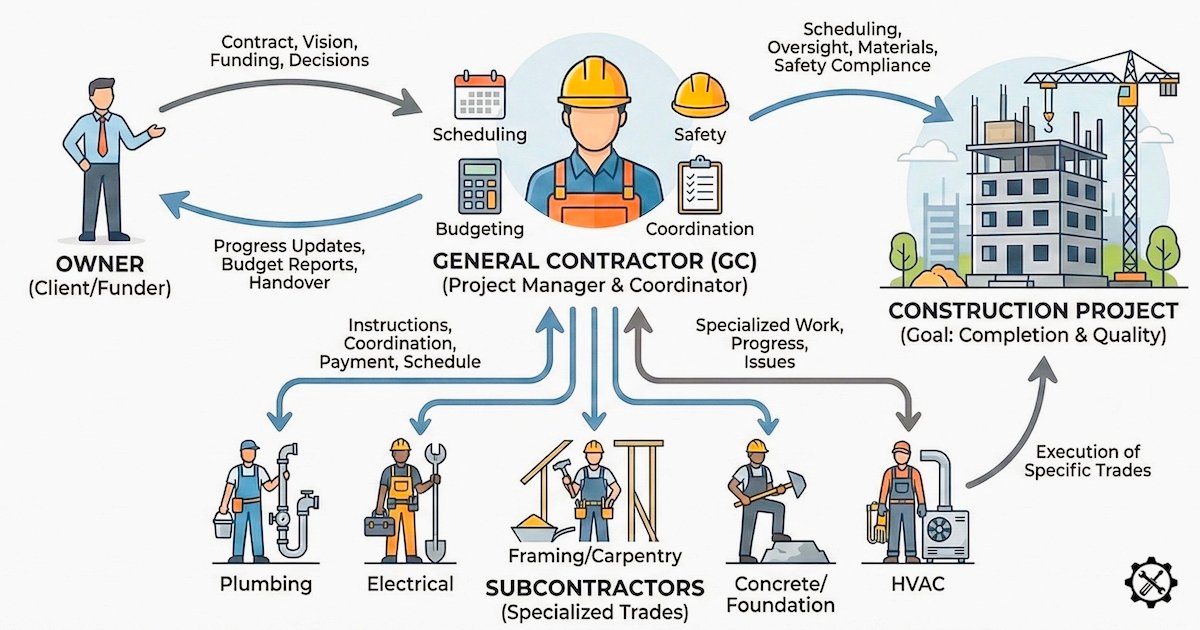
A general contractor is fundamentally the backbone of any construction project. They are responsible for overseeing every aspect of the project, from pre-construction planning to final completion. This role includes coordinating with architects, engineers, and subcontractors, procuring necessary permits, managing budgets, ensuring safety standards, and solving unforeseen issues that arise during the construction process. Without a competent general contractor, even the most well-designed project can suffer delays, budget overruns, or substandard work.
Key Responsibilities of a General Contractor
One of the primary responsibilities of a general contractor is project management. They serve as the central point of communication between all parties involved in a construction project. This includes the project owner, architects, engineers, and various subcontractors such as electricians, plumbers, and masons. The ability to coordinate these different professionals and maintain clear communication ensures that the project progresses smoothly and efficiently.
Another essential responsibility is budget management. A general contractor develops a detailed project estimate that outlines the costs of materials, labor, permits, and contingency funds. They continually monitor expenses throughout the construction process to prevent budget overruns. This requires a thorough understanding of construction costs, pricing trends, and the ability to negotiate with suppliers and subcontractors to obtain the best rates.
A general contractor is also responsible for ensuring that the construction project complies with all building codes, zoning regulations, and safety standards. This includes obtaining the necessary permits before construction begins and scheduling inspections as required by local authorities. Compliance is not just a legal requirement but also a crucial factor in the safety and longevity of the structure being built.
Skills That Define an Effective General Contractor
The role of a general contractor requires a unique blend of technical knowledge, management skills, and problem-solving abilities. First and foremost, they must have a comprehensive understanding of construction processes and techniques. This includes knowledge of materials, structural engineering principles, and construction methods across residential, commercial, or industrial projects.
Management skills are equally important. A general contractor must be able to schedule tasks efficiently, coordinate teams of workers, and manage subcontractors effectively. Strong leadership is necessary to maintain productivity, ensure quality standards, and address conflicts that may arise on the job site. Additionally, excellent communication skills are crucial for keeping clients informed, negotiating with vendors, and conveying technical information clearly to both workers and stakeholders.
Problem-solving abilities are another critical skill set. Construction projects rarely go exactly as planned. Delays, unexpected site conditions, supply shortages, or design modifications are common challenges. A general contractor must be able to respond quickly, make informed decisions, and implement solutions that minimize disruptions to the project timeline and budget.
The Benefits of Hiring a General Contractor
Hiring a general contractor provides numerous advantages for anyone undertaking a construction project. First, it ensures accountability. When a single entity oversees the entire project, there is a clear chain of responsibility, which reduces the likelihood of miscommunication or errors. The project owner can rely on the general contractor to manage all aspects of the project, rather than coordinating multiple subcontractors independently.
Another benefit is efficiency. General contractors have established networks of skilled subcontractors, suppliers, and professionals. This allows them to assemble teams quickly and efficiently, often resulting in faster project completion compared to managing each contractor individually. Additionally, their experience enables them to anticipate challenges, streamline workflows, and avoid costly mistakes that inexperienced project owners might encounter.
Quality assurance is also a significant advantage. Experienced general contractors prioritize craftsmanship and adhere to industry standards. They monitor work quality at every stage of construction, ensuring that the final product meets or exceeds expectations. This oversight helps prevent defects, rework, and long-term maintenance issues, saving both time and money in the long run.
Finally, a general contractor can provide expert guidance throughout the construction process. From recommending materials and design adjustments to suggesting cost-saving measures, their expertise can help property owners make informed decisions that enhance the overall value and functionality of the project.
How to Choose the Right General Contractor
Selecting the right general contractor is a crucial decision that can significantly impact the success of a construction project. One of the first steps is to verify credentials. Ensure that the contractor holds the necessary licenses, insurance, and certifications required by local authorities. This verification protects the project owner from potential legal and financial liabilities.
Experience is another critical factor. A general contractor with a proven track record in similar projects is more likely to anticipate challenges, manage resources efficiently, and deliver high-quality results. Request references and review past projects to gauge their expertise and reliability.
Communication and transparency are also vital considerations. A reputable general contractor will provide clear project estimates, timelines, and regular progress updates. They should be responsive to questions, open to feedback, and willing to discuss any concerns that arise during the project.
Finally, consider the contractor’s approach to problem-solving and conflict resolution. Construction projects inevitably encounter unexpected issues, and the contractor’s ability to handle these situations professionally and efficiently can make a significant difference in the overall experience.
The Evolving Role of General Contractors
The role of a general contractor has evolved significantly over the years. In addition to traditional construction oversight, modern general contractors are increasingly incorporating technology and sustainable practices into their projects. Building Information Modeling (BIM), project management software, and green construction techniques are now common tools and practices used by forward-thinking contractors.
Sustainability has become an essential consideration in construction projects. General contractors are now expected to incorporate energy-efficient designs, environmentally friendly materials, and waste-reduction strategies. This not only benefits the environment but also adds long-term value to the property by reducing operating costs and enhancing sustainability credentials.
Technology also plays a transformative role. From digital project management platforms to drones for site inspections, modern general contractors leverage technology to increase efficiency, improve accuracy, and provide real-time updates to clients. These tools enable better planning, reduce errors, and streamline communication between all parties involved in the project.
Conclusion
In summary, a general contractor is an indispensable component of any construction project. Their responsibilities span project management, budget oversight, compliance, and quality assurance. The skills they bring technical knowledge, leadership, communication, and problem-solving ensure that construction projects are executed efficiently, safely, and successfully. Hiring a qualified general contractor offers numerous benefits, including accountability, efficiency, quality assurance, and expert guidance.
Whether constructing a new building or renovating an existing property, engaging a capable general contractor is an investment that pays off in time, cost savings, and peace of mind. Understanding the critical role they play and selecting the right professional can make the difference between a seamless project and a construction nightmare. For anyone serious about achieving construction excellence, partnering with a skilled general contractor is not just advisable—it’s essential.
 Qasim Bhai