
A reliable heating system is one of the most important components of a comfortable home, yet it is often overlooked until something goes wrong says Northwoods Management. When temperatures drop and your furnace begins running daily, the difference between a well-maintained system and a neglected one becomes obvious. Efficiency, reliability, safety, and long-term cost savings all depend on consistent furnace maintenance. Homeowners who understand the importance of preventative care not only protect their investment but also ensure dependable indoor comfort throughout the heating season
Furnaces are complex systems made up of mechanical, electrical, and combustion components that must work together seamlessly. Over time, dust accumulation, worn parts, airflow restrictions, and minor mechanical issues can gradually reduce performance. Without routine attention, these small issues often develop into larger, more expensive problems. That is why furnace maintenance is not simply a recommendation but a critical part of responsible homeownership.
Why Furnace Maintenance Is Essential for Every Home
Heating systems operate under significant stress during colder months. Continuous cycling, fuel combustion, and air distribution put strain on internal components. When maintenance is ignored, efficiency declines and energy consumption increases. A furnace that must work harder to push air through clogged filters or operate with dirty burners will consume more fuel and electricity, leading to noticeably higher utility bills.
Another major benefit of furnace maintenance is reliability. Breakdowns rarely occur without warning. Subtle signs such as unusual noises, inconsistent heating, or longer run times often indicate developing issues. Regular inspections allow technicians to identify and correct these problems before they escalate into emergency repairs. Preventative service helps avoid the inconvenience of losing heat during the coldest days of the year.
Safety is also a critical concern. Gas furnaces in particular must be carefully monitored to ensure safe combustion and proper ventilation. Cracks in the heat exchanger or venting problems can allow carbon monoxide to enter the home. Professional inspections included in routine furnace maintenance check for these hazards and confirm that safety controls are functioning correctly.
Understanding How a Furnace Operates
To appreciate the value of maintenance, it is helpful to understand how a typical forced-air furnace functions. When the thermostat signals for heat, the system initiates the ignition process. In gas furnaces, burners ignite and generate heat within a sealed combustion chamber. The heat exchanger absorbs this warmth, and the blower motor pushes air across it. The heated air is then distributed throughout the home via ductwork. Electric furnaces operate similarly, though they use heating elements instead of burners.
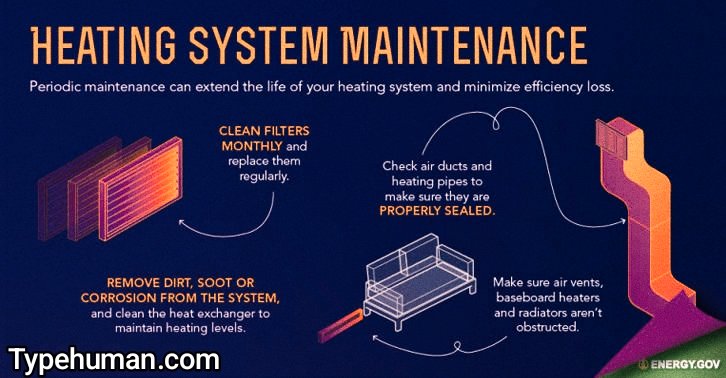
Each of these components must remain clean and properly adjusted to function efficiently. Airflow must be unobstructed, electrical connections must be secure, and moving parts must be lubricated where necessary. Even minor imbalances can reduce performance and increase wear. Consistent furnace maintenance ensures that every part of the system is operating as designed.
Core Components That Require Regular Attention
Air filters are one of the most critical and commonly neglected components of a heating system. A dirty filter restricts airflow, forcing the blower motor to work harder and increasing overall strain. This not only reduces efficiency but also contributes to overheating and premature component failure. Replacing or cleaning filters every one to three months is one of the simplest yet most impactful aspects of furnace maintenance.
Burners and ignition systems must also remain clean and properly calibrated. Dirt or corrosion can disrupt combustion, leading to inefficient fuel usage and uneven heating. During professional service, technicians clean burners, inspect ignition components, and verify flame quality to ensure proper operation.
The blower assembly is responsible for circulating heated air throughout the home. Dust buildup on blower blades reduces airflow and forces the motor to operate under additional stress. Lubrication of moving parts and inspection of belts and bearings are essential steps in professional furnace maintenance that help extend motor life.
Electrical connections and control boards are equally important. Loose or damaged wiring can cause intermittent system failures or complete shutdowns. During routine inspections, technicians tighten connections and test voltage readings to confirm safe and reliable operation.
The Financial Benefits of Preventative Maintenance
Many homeowners underestimate the long-term financial advantages of regular furnace maintenance. A properly serviced furnace operates more efficiently, which translates directly into lower monthly heating costs. Even small improvements in efficiency can result in meaningful savings over the course of an entire heating season.
In addition to energy savings, maintenance significantly reduces the likelihood of costly repairs. Replacing a worn belt or cleaning a clogged burner is far less expensive than repairing a failed blower motor or cracked heat exchanger. Preventative care protects against sudden, high-cost breakdowns that often occur at the most inconvenient times.
Another financial advantage is the extension of system lifespan. Furnaces represent a major household investment, and premature replacement can be financially burdensome. Regular furnace maintenance minimizes wear and tear, allowing the system to operate effectively for many years beyond what a neglected system might achieve.
Health and Indoor Air Quality Considerations
Your furnace plays a direct role in indoor air quality. As air circulates through the system, it passes through filters and ductwork before reaching living spaces. If filters are clogged or ducts accumulate dust and debris, contaminants can be distributed throughout the home. This can aggravate allergies, respiratory conditions, and general discomfort.
Routine furnace maintenance includes filter replacement and airflow evaluation, both of which contribute to cleaner indoor air. Households with pets, children, or individuals sensitive to allergens benefit greatly from consistent upkeep. Clean systems not only heat more efficiently but also create a healthier indoor environment.
Warning Signs That Should Not Be Ignored
Even with regular care, furnaces can develop issues over time. Recognizing early warning signs can prevent more serious problems. Unusual noises such as banging, rattling, or squealing may indicate loose components or motor issues. Short cycling, where the system turns on and off frequently, can signal airflow problems or thermostat malfunctions.
A sudden increase in energy bills without a change in usage patterns often suggests declining efficiency. Weak airflow, uneven heating between rooms, or strange odors during operation are additional indicators that service is needed. Prompt attention combined with professional furnace maintenance can resolve these issues before they escalate.
The Role of Professional Inspections
While homeowners can perform certain basic tasks, professional inspections provide a deeper level of evaluation. Technicians use specialized tools to measure combustion efficiency, test safety controls, and inspect internal components that are not easily accessible. Annual service appointments typically include cleaning burners, checking the heat exchanger for cracks, inspecting venting systems, tightening electrical connections, and verifying thermostat accuracy.
Professional furnace maintenance ensures compliance with manufacturer recommendations and often protects warranty coverage. Attempting complex repairs without proper training can void warranties and create safety risks. A balanced approach that combines homeowner upkeep with professional service offers the most comprehensive protection.
Seasonal Preparation and Timing
The ideal time to schedule maintenance is before the heating season begins. Early preparation allows technicians to address potential issues before heavy usage starts. Waiting until winter increases the risk of breakdowns during peak demand. Preparing in advance ensures efficient startup, stable performance, and peace of mind throughout colder months.
However, if maintenance was skipped earlier in the year, scheduling service at any time is still beneficial. Furnaces that have been operating without inspection can accumulate dirt and experience hidden wear. Addressing these concerns promptly improves both safety and performance.
Maintenance Plans and Long-Term Care Strategies
Many service providers offer annual maintenance plans that include scheduled inspections, priority service, and discounted repairs. These plans simplify the process of remembering appointments and often provide cost savings over time. Homeowners who enroll in regular service agreements are more likely to stay consistent with furnace maintenance, which ultimately protects their investment.
Long-term care strategies also include sealing air leaks in the home, ensuring proper insulation, and upgrading thermostats when necessary. Improving overall home efficiency reduces strain on the furnace and enhances system performance. A comprehensive approach that combines home efficiency improvements with consistent furnace maintenance delivers the best results.
The Consequences of Neglect
Neglecting routine service may seem harmless in the short term, but the consequences accumulate gradually. Increased energy bills, uneven heating, frequent repairs, and reduced system lifespan are common outcomes of inattention. In severe cases, safety hazards such as carbon monoxide leaks can develop without obvious warning signs.
Preventative furnace maintenance represents a modest annual investment compared to the significant costs associated with emergency repairs or premature replacement. Responsible homeowners understand that consistent upkeep protects comfort, safety, and financial stability.
Conclusion
Maintaining a dependable heating system requires commitment and awareness. A furnace is not simply an appliance that operates independently; it is a complex system that demands regular care. Through consistent inspections, timely filter changes, professional evaluations, and attention to early warning signs, homeowners can ensure reliable performance for years to come.
Furnace maintenance improves efficiency, reduces operating costs, enhances safety, and extends equipment lifespan. It supports healthier indoor air quality and prevents unexpected breakdowns during critical times of the year. By prioritizing routine care and investing in professional service when needed, homeowners create a blueprint for long-term comfort and peace of mind.
 Qasim Bhai