

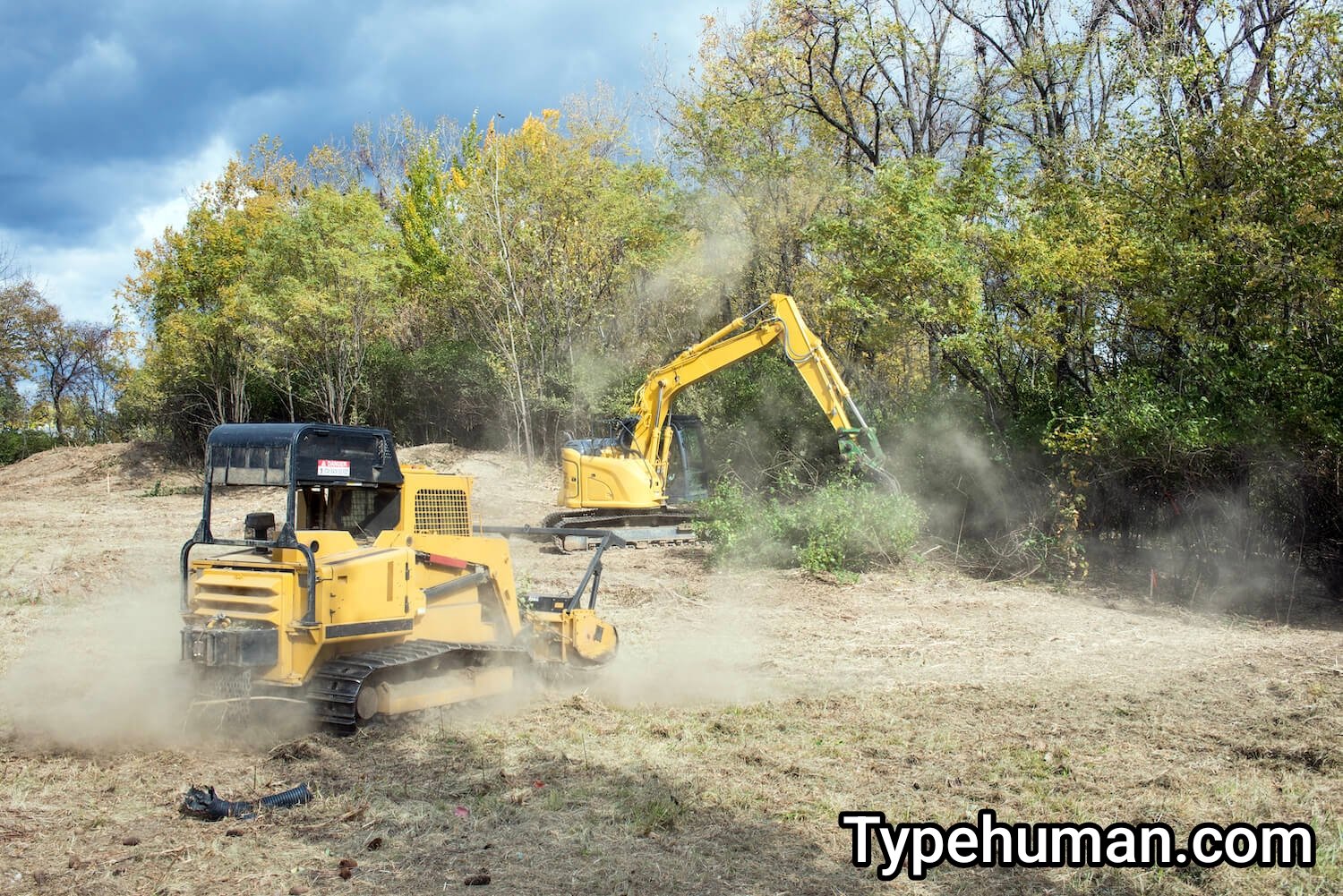
Land clearing is a critical first step in transforming an overgrown or undeveloped property into a functional, build-ready site. Whether for residential construction, commercial development, agriculture, or property improvement, professional land clearing removes unwanted vegetation, debris, and obstacles that interfere with safe and efficient land use. Beyond improving appearance, land clearing provides structural, environmental, and economic benefits that make development possible while protecting long-term property value.
Understanding the Purpose of Land Clearing
Land clearing involves the removal of trees, brush, stumps, rocks, and invasive vegetation to create usable space. Over time, unmanaged land becomes dense with plant growth that restricts access, hides hazards, and limits drainage. Professional land clearing addresses these issues by reshaping the terrain, improving soil conditions, and preparing the site for construction or landscaping.
Clearing land is not simply about removing vegetation. It is a strategic process that balances development needs with environmental considerations, ensuring that the land remains stable, accessible, and suitable for its intended purpose.
Preparing Land for Construction Projects
One of the primary benefits of land clearing is preparing a site for construction. Overgrown land can conceal uneven ground, unstable soil, buried debris, and underground utilities that pose serious risks during building. Clearing the land exposes these issues early, allowing for proper grading, planning, and safe construction practices.
A cleared site provides contractors with unobstructed access to the property, enabling accurate surveying, foundation placement, and infrastructure installation. This preparation reduces delays, minimizes safety hazards, and ensures that construction begins on a stable and properly assessed surface.
Improving Safety and Accessibility
Dense vegetation often hides potential dangers such as fallen trees, animal burrows, old fencing, or unstable ground. These hidden hazards can pose risks to workers, equipment, and property owners. Land clearing improves visibility and accessibility, making the property safer to navigate and work on.
For properties intended for public use, agricultural activity, or future development, improved accessibility is essential. Cleared land allows for easier vehicle movement, equipment operation, and ongoing maintenance, reducing the risk of accidents and injuries.
Enhancing Drainage and Soil Stability
Overgrown land can interfere with natural drainage patterns, leading to water pooling, erosion, and soil instability. Excess vegetation and debris may block water flow, causing saturation that weakens the soil and increases the risk of foundation issues.
Professional land clearing helps restore proper drainage by removing obstructions and allowing water to flow naturally across the terrain. When combined with grading, land clearing improves soil stability and reduces the likelihood of erosion, flooding, and long-term structural problems.
Supporting Environmental Management
While land clearing involves vegetation removal, it can also support responsible environmental management when done correctly. Professional services often focus on removing invasive species that harm native plants and disrupt ecosystems. Selective clearing allows healthy trees and beneficial vegetation to remain while eliminating growth that limits land usability.
Modern land clearing methods prioritize minimal disturbance to surrounding areas. By managing vegetation strategically, landowners can improve soil health, encourage native plant growth, and create a more balanced environment suitable for development or conservation.
Increasing Property Value and Usability
Cleared land is significantly more attractive to buyers, developers, and investors. An overgrown property may appear neglected and difficult to develop, while cleared land presents immediate potential. By improving visibility, accessibility, and usability, land clearing increases property marketability and overall value.
For property owners planning to sell or develop land in the future, clearing is a practical investment. It demonstrates readiness for construction and reduces the perceived effort and cost required by potential buyers.
Enabling Agricultural and Landscaping Projects
Land clearing is essential for agricultural use, gardening, and landscaping projects. Removing unwanted vegetation creates space for planting crops, establishing pastures, or designing functional outdoor areas. Clearing also helps eliminate weeds and invasive plants that compete with desirable vegetation for nutrients and water.
For landscaping projects, a cleared foundation allows for precise design and installation. Whether creating lawns, gardens, or outdoor living spaces, land clearing ensures a clean slate for successful implementation.
Reducing Fire Risk and Property Hazards
Overgrown vegetation significantly increases fire risk, especially in dry or wooded areas. Dead trees, thick brush, and accumulated debris act as fuel, allowing fires to spread rapidly. Land clearing reduces this risk by removing excess vegetation and creating defensible space around structures.
Clearing also helps control pests by eliminating habitats for rodents, insects, and other animals that thrive in dense vegetation. This improves overall property safety and reduces maintenance concerns.
Professional Land Clearing vs DIY Approaches
While some property owners attempt to clear land themselves, professional land clearing offers significant advantages. Specialized equipment and experienced operators ensure efficient removal of vegetation while minimizing soil disruption and environmental impact. Professionals also understand local regulations, permitting requirements, and safety standards.
DIY land clearing can be time-consuming, physically demanding, and potentially dangerous. Improper techniques may lead to erosion, uneven terrain, or damage to surrounding areas. Professional services deliver consistent results and prepare land correctly for its intended use.
Choosing the Right Land Clearing Method
Different projects require different land clearing techniques. Mechanical clearing, mulching, and selective cutting are commonly used depending on the size of the property, vegetation density, and environmental goals. Choosing the right method ensures effective results while preserving soil quality and minimizing waste.
A professional assessment helps determine the most appropriate approach, balancing efficiency with sustainability and long-term land health.
Conclusion
Land clearing transforms overgrown, unusable property into safe, accessible, and build-ready land. By improving visibility, drainage, safety, and soil stability, professional land clearing lays the foundation for successful construction, agriculture, and property development. It also increases property value, reduces fire risk, and supports responsible environmental management.
From initial preparation to long-term usability, land clearing is an essential step in turning undeveloped land into a productive and valuable asset. Investing in professional land clearing ensures that the land is not only cleared but properly prepared for whatever comes next.
 Qasim Bhai