

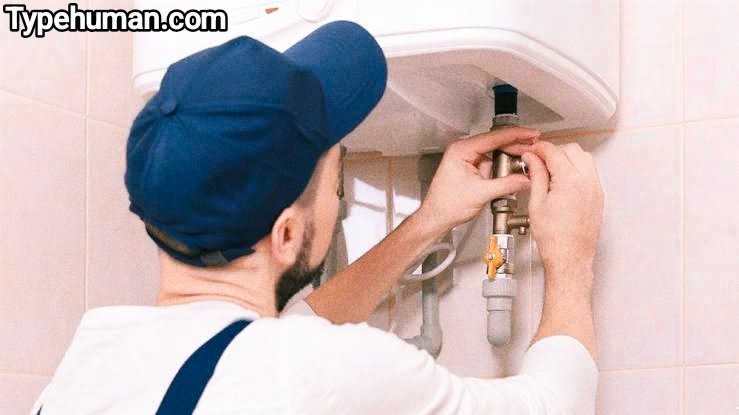
A reliable water heater is one of the most important appliances in any home. From hot showers to washing dishes and doing laundry, a properly functioning water heater ensures comfort and convenience in everyday life. However, like all household systems, water heaters do not last forever. Over time, wear and tear, sediment buildup, and aging components can reduce efficiency and eventually cause the system to fail. When this happens, homeowners must consider a water heater replacement to restore reliable hot water and maintain the comfort of their household.
Replacing a water heater is not simply about installing a new unit. It involves evaluating the current system, understanding energy efficiency options, selecting the appropriate size and type, and ensuring proper installation. A well-planned water heater replacement can improve energy efficiency, reduce utility bills, and provide consistent hot water for many years. By understanding the key aspects of the process, homeowners can make informed decisions that protect their investment and improve the overall performance of their home’s plumbing system.
Understanding the Role of a Water Heater in the Home
Water heaters are designed to heat and store water so that it is readily available whenever it is needed. Most homes rely on either traditional tank water heaters or modern tankless systems. Tank water heaters store a certain amount of heated water in a tank, while tankless systems heat water on demand as it flows through the unit. Both types have advantages depending on household needs and usage patterns.
Traditional storage tank water heaters are common in many homes because they are affordable and easy to install. These systems heat water continuously and store it in a tank until it is needed. Tankless water heaters, on the other hand, provide hot water only when it is required. This eliminates the need for a storage tank and can improve energy efficiency, particularly in households with high hot water usage.
Regardless of the type of system installed, water heaters experience gradual wear over time. Components such as heating elements, thermostats, and internal linings may deteriorate after years of use. When these components fail or efficiency drops significantly, a full water heater replacement often becomes the most practical and cost-effective solution.
Signs That a Water Heater Needs Replacement
Recognizing the warning signs of a failing water heater can help homeowners avoid sudden breakdowns and costly emergency repairs. Several indicators suggest that a water heater may be approaching the end of its lifespan.
One of the most common signs is inconsistent water temperature. If the water fluctuates between hot and cold or fails to reach the desired temperature, the heating elements or thermostat may be failing. While some issues can be repaired, persistent temperature problems may indicate that the system is nearing the end of its life.
Another sign is unusual noises coming from the water heater. Rumbling, popping, or banging sounds often occur when sediment accumulates at the bottom of the tank. This sediment buildup reduces efficiency and forces the system to work harder to heat water. Over time, the added strain can damage the tank and internal components.
Rust-colored water coming from faucets can also signal trouble. Corrosion inside the tank may contaminate the water supply and weaken the structure of the heater. If rust appears in hot water only, it is often a sign that the water heater tank itself is deteriorating.
Water leaks around the base of the heater are a serious warning sign. Even small leaks can indicate internal tank damage that cannot be repaired. In such cases, immediate water heater replacement is typically necessary to prevent flooding and property damage.
Types of Water Heaters Available for Replacement
When replacing a water heater, homeowners have several options to consider. Each type offers unique advantages in terms of efficiency, cost, and performance.
Traditional Tank Water Heaters
Tank water heaters remain one of the most common options due to their affordability and reliability. These systems store heated water in a tank that typically ranges from 30 to 80 gallons. They are relatively simple to install and work well for households with predictable hot water usage.
However, because the tank continuously heats and reheats water, these systems can consume more energy than newer alternatives.
Tankless Water Heaters
Tankless water heaters provide hot water on demand without storing it in a tank. These systems heat water as it flows through the unit, which eliminates standby energy losses associated with storage tanks. Tankless systems are known for their energy efficiency and compact design.
Although the initial installation cost is higher, tankless water heaters can last longer and provide unlimited hot water, making them a popular option during a water heater replacement project.
Heat Pump Water Heaters
Heat pump water heaters use electricity to transfer heat from the surrounding air into the water tank. This technology makes them significantly more energy efficient than traditional electric water heaters. They are ideal for homeowners seeking environmentally friendly and cost-effective heating solutions.
Solar Water Heaters
Solar water heaters use energy from the sun to heat water, reducing reliance on electricity or gas. These systems can provide substantial long-term savings, although they require suitable climate conditions and a higher initial investment.
Factors to Consider Before Replacing a Water Heater
Choosing the right water heater requires careful evaluation of several important factors. Homeowners should consider their household’s hot water needs, energy efficiency goals, and available installation space.
The size of the water heater is particularly important. A unit that is too small may run out of hot water quickly, while an oversized unit may waste energy. Determining the appropriate capacity ensures that the system meets daily usage requirements without excessive energy consumption.
Energy efficiency ratings should also be reviewed before selecting a new water heater. Modern systems often include improved insulation, advanced thermostats, and energy-saving technology that reduce operating costs.
Fuel type is another consideration. Water heaters may run on electricity, natural gas, propane, or solar energy. The availability and cost of these energy sources can influence the overall affordability of the system.
During a water heater replacement, homeowners should also evaluate the installation location and ventilation requirements, especially for gas-powered units. Proper installation ensures safe operation and long-term reliability.
Steps Involved in Water Heater Replacement
Replacing a water heater involves several steps that must be completed carefully to ensure proper operation. Although some experienced homeowners may attempt the process themselves, professional installation is often recommended.
The first step is shutting off the water supply and disconnecting power or gas lines from the old unit. The existing tank is then drained and removed from the installation area. This step requires caution, as water heaters can be heavy and difficult to handle.
Once the old unit is removed, the new water heater is positioned and connected to the plumbing system. Water supply lines, discharge pipes, and pressure relief valves must be installed correctly to ensure safe operation.
After installation, the system is filled with water and tested to confirm that all connections are secure. The heating system is then activated, and the temperature settings are adjusted according to manufacturer guidelines.
A professional water heater replacement ensures that all safety codes and installation standards are followed, reducing the risk of future problems.
Benefits of Replacing an Old Water Heater
Replacing an outdated water heater offers numerous benefits for homeowners. One of the most noticeable advantages is improved energy efficiency. Modern water heaters are designed to heat water more efficiently, reducing electricity or gas consumption.
Another benefit is consistent hot water supply. Older systems may struggle to maintain temperature or provide sufficient water for multiple uses. A new water heater ensures reliable performance even during peak demand.
New systems also include advanced safety features, such as improved pressure valves and temperature controls. These features help prevent overheating and reduce the risk of equipment failure.
Additionally, a new water heater can increase property value. Prospective buyers often appreciate modern, energy-efficient appliances that reduce maintenance concerns.
Cost Considerations for Water Heater Replacement
The cost of replacing a water heater varies depending on several factors, including the type of system, installation complexity, and labor charges. Traditional tank water heaters typically cost less to purchase and install, while tankless or solar systems require higher initial investment.
However, energy-efficient models can provide significant savings over time through reduced utility bills. Homeowners should consider both upfront costs and long-term operating expenses when selecting a new system.
Regular maintenance, such as flushing the tank to remove sediment buildup, can extend the lifespan of the water heater and delay future replacement costs.
Maintaining a New Water Heater for Longevity
Once a new water heater is installed, proper maintenance is essential to ensure long-term performance. Periodic inspections help detect early signs of wear or potential issues.
Flushing the tank annually removes sediment that can reduce efficiency and cause overheating. Checking the anode rod helps prevent corrosion inside the tank. Maintaining proper temperature settings also reduces strain on the heating system.
Routine maintenance not only extends the lifespan of the unit but also ensures that the water heater replacement continues to provide reliable service for many years.
Conclusion
A dependable water heater is essential for maintaining comfort and convenience in the home. Over time, aging systems can lose efficiency, develop leaks, or fail to provide adequate hot water. Recognizing the warning signs and planning for timely water heater replacement allows homeowners to avoid unexpected breakdowns and costly repairs.
By understanding the different types of water heaters, evaluating household needs, and selecting energy-efficient models, homeowners can make informed decisions that enhance comfort and reduce operating costs. Professional installation and regular maintenance ensure that the new system performs reliably and efficiently.
Investing in a high-quality water heater replacement not only restores dependable hot water but also improves energy efficiency, safety, and long-term value for the home.
 Qasim Bhai