

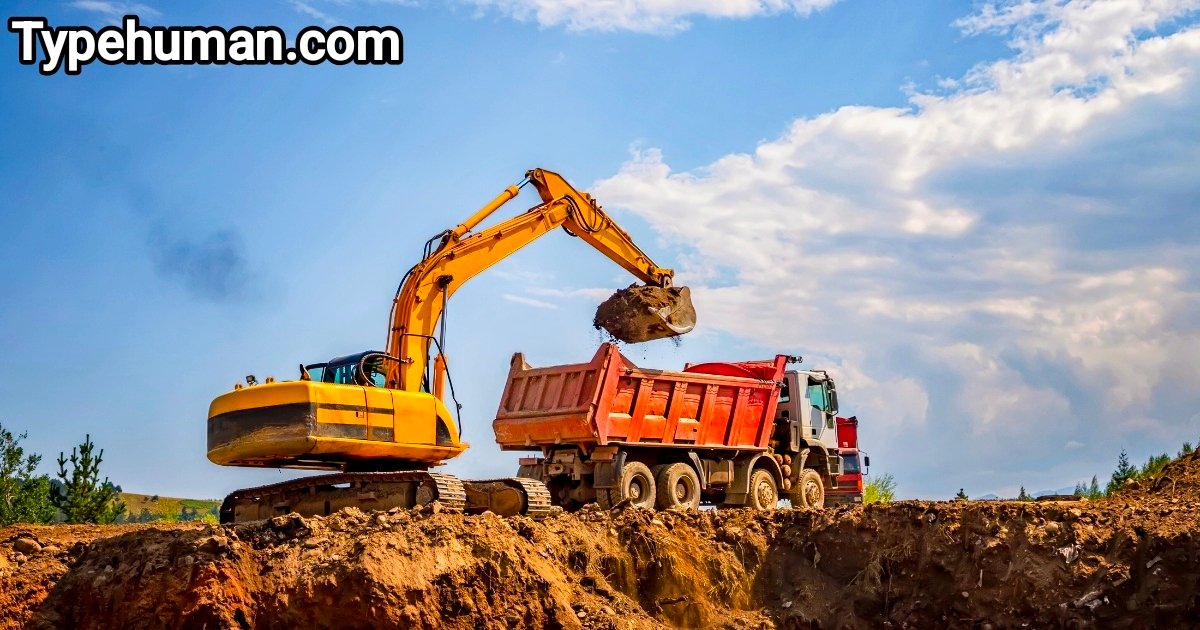
When it comes to construction and site development, hiring a professional excavation contractor is one of the most important decisions property owners and developers can make. Excavation is not just about digging soil or removing rocks it is the foundation of every construction project, determining the stability, safety, and longevity of the structures that follow. A professional excavation service ensures that your project begins on solid ground, avoids costly mistakes, and is completed efficiently and safely. Understanding the excavation process, the types of services offered, the equipment involved, safety and environmental considerations, and long-term benefits can help you make an informed decision when selecting the right contractor for your project.
Excavation involves much more than simply moving earth. It includes site preparation, grading, foundation digging, trenching, and soil stabilization. Each step requires careful planning, technical expertise, and precise execution. A skilled excavation contractor evaluates soil conditions, determines the correct methods for each site, and uses specialized equipment to meet project specifications. By investing in professional excavation services, property owners can avoid the long-term problems associated with poor site preparation, such as drainage issues, foundation settlement, and erosion.
Understanding Excavation and Its Role in Construction
Excavation is a critical process in construction that lays the groundwork for everything from residential buildings to commercial infrastructure. It involves removing soil, rock, and other materials to prepare a site for construction activities. Excavation is essential because it ensures that foundations are stable, utilities are properly installed, and land is appropriately shaped for drainage and landscaping. Mistakes in excavation can compromise structural integrity and lead to costly repairs later on.
Professional excavation also addresses environmental factors and ensures compliance with safety and building regulations. From assessing soil composition to planning the site layout, an excavation contractor provides technical expertise that guides the entire construction process. By handling excavation professionally, property owners protect their investments and create conditions for successful, long-lasting projects.
Types of Excavation Services
Excavation services vary depending on the project’s requirements and complexity. Site preparation involves clearing debris, vegetation, and obstacles to create a safe and accessible construction area. Foundation excavation is focused on digging precise trenches or pits for buildings, ensuring proper depth, alignment, and stability. Trenching is another critical service used to install utilities such as water lines, electrical conduits, and drainage systems. Accurate trenching prevents damage to existing infrastructure and ensures that all utilities function correctly. Grading and leveling reshape the land to control water flow, prevent erosion, and create stable surfaces for construction or landscaping.
Each type of excavation service requires specialized techniques, tools, and knowledge. A professional excavation contractor can evaluate the project and determine which combination of services is necessary to ensure both efficiency and safety.
Equipment Used in Excavation
Modern excavation relies on specialized machinery to complete projects efficiently. Excavators are used for digging and moving large quantities of soil and rocks. Bulldozers are essential for clearing land, pushing debris, and leveling surfaces. Backhoes provide versatility for smaller or hard-to-reach areas, while loaders transport excavated materials quickly and efficiently. Compaction equipment stabilizes soil after excavation, ensuring that foundations remain strong and durable.
Choosing the right equipment is crucial because improper machinery can damage the site, slow the project, or even create safety hazards. A professional excavation contractor has access to the right tools for every task and ensures that operators are skilled and certified in their use.
Soil Analysis and Site Evaluation
Before any excavation begins, understanding soil composition and site conditions is essential. Different types of soil, such as clay, sand, gravel, or rocky terrain, behave differently under pressure and moisture. Evaluating the soil’s load-bearing capacity and drainage properties determines the excavation method, machinery needed, and support systems required.
Proper site evaluation also helps identify potential challenges such as underground utilities, water tables, or unstable slopes. By conducting thorough soil and site analysis, a professional excavation contractor can prevent costly mistakes, delays, and safety risks.
Safety Considerations in Excavation
Excavation work involves inherent risks, including cave-ins, falling debris, and equipment-related accidents. Following strict safety protocols is essential to protect workers, the property, and the surrounding area. Measures include shoring and sloping trenches to prevent collapses, identifying and marking underground utilities, using proper personal protective equipment, and ensuring that machinery is operated safely.
Professional excavation contractors are trained to recognize hazards and implement preventive measures. Safety is not an afterthought but a core part of every excavation project, reducing the likelihood of accidents and ensuring compliance with local regulations.
Environmental Considerations
Excavation affects the natural environment, and improper handling can lead to soil erosion, sediment runoff, and damage to surrounding areas. Responsible excavation practices protect the environment and ensure long-term project sustainability.
Professional excavation contractors manage water flow, implement erosion control methods, and preserve topsoil where possible. They also comply with environmental regulations to minimize the impact on local ecosystems. Sustainable excavation practices not only protect the land but also enhance the reputation of property developers who prioritize responsible construction methods.
Project Planning and Management
Planning is critical to successful excavation. A professional contractor starts with a thorough site assessment, evaluating soil, slope, drainage, and accessibility. A detailed excavation plan identifies the sequence of operations, equipment needed, labor requirements, and project timelines. Effective management ensures that excavation aligns with construction schedules, minimizes disruptions, and avoids costly delays.
Coordination with engineers, architects, and builders is often required to ensure that excavation meets design specifications. This collaborative approach allows projects to move forward efficiently and safely.
Common Challenges in Excavation
Excavation projects face a variety of challenges. Unexpected soil conditions, groundwater, weather changes, and limited access can complicate operations. Skilled excavation contractors anticipate these challenges and adjust their methods to maintain safety and efficiency. Whether it is reinforcing trenches, rerouting equipment, or stabilizing soil, professional teams have the experience to handle obstacles without compromising the project timeline.
Precision and Accuracy in Excavation
Accuracy is critical in excavation because even minor errors can compromise foundations, utilities, and drainage systems. Professional contractors follow detailed plans, utilize advanced measurement tools, and adhere to strict standards to ensure that every trench, cut, and graded area is precise. This precision minimizes the risk of structural problems and reduces costs associated with rework or repairs later.
Cost Factors in Excavation
Excavation costs vary based on project size, soil conditions, machinery requirements, and complexity. While budget is important, cutting corners by hiring inexperienced providers can result in mistakes, delays, and higher long-term costs. Investing in a professional Excavation contractor ensures the work is done correctly the first time, protecting the property and providing excellent value.
Residential and Commercial Excavation Applications
Excavation services are essential for residential and commercial projects alike. In residential construction, excavation prepares land for home foundations, driveways, swimming pools, and landscaping. In commercial projects, excavation includes site preparation, road construction, utility installation, and industrial development. Professional contractors tailor their approach to meet the specific requirements of each project, ensuring efficiency, safety, and compliance with regulations.
Long-Term Benefits of Professional Excavation
High-quality excavation provides long-term advantages. Proper site preparation reduces the risk of foundation settlement, soil erosion, and drainage problems. It ensures stable surfaces for construction and landscaping, lowers maintenance costs, and enhances the longevity of structures. Investing in professional excavation services protects property owners’ investments and supports the long-term success of the project.
Choosing the Right Excavation Contractor
Selecting an experienced excavation contractor is essential for project success. Key factors include proven experience, licensing, insurance, equipment capability, and knowledge of safety and environmental standards. A professional excavation contractor delivers reliable results, maintains project timelines, and ensures that excavation is performed safely and efficiently. Their expertise minimizes risks and provides peace of mind to property owners and developers alike.
Conclusion
Excavation is the foundation of every construction and development project. From site preparation and grading to foundation digging, trenching, and soil stabilization, professional excavation ensures that a project starts on solid ground. Mistakes during excavation can compromise structural integrity, increase costs, and create long-term problems. By hiring a skilled excavation contractor, property owners ensure that their site is prepared accurately, safely, and efficiently. Expert excavation provides a stable foundation for successful construction, protecting both the project and the investment for years to come.
 Qasim Bhai