

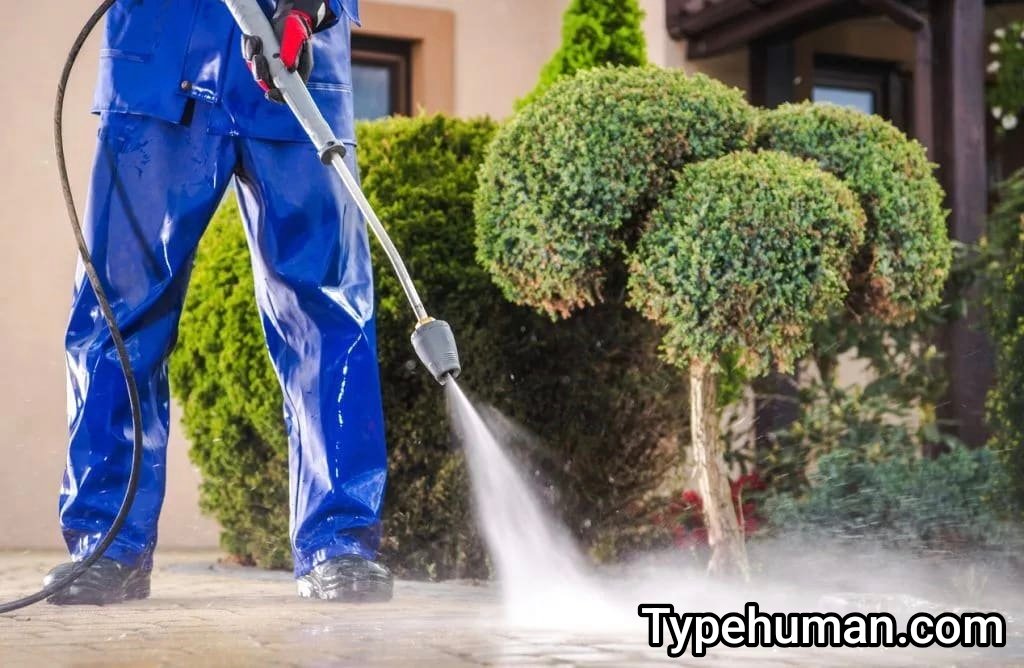
Maintaining the exterior of any property requires more than occasional sweeping or rinsing with a garden hose says Keyrenter Richmond professionals. Over time, dirt, grime, mold, mildew, algae, oil stains, and environmental pollutants accumulate on surfaces, diminishing appearance and potentially causing long-term damage. Modern cleaning solutions have evolved significantly, and investing in pressure washing is one of the most effective ways to restore and protect exterior surfaces efficiently and safely.
This comprehensive guide explores how modern techniques work, the benefits they provide, the surfaces they can treat, safety considerations, environmental factors, and why professional expertise often makes a difference. Whether you are a homeowner looking to boost curb appeal or a business owner aiming to maintain a professional image, understanding the process can help you make informed decisions.
Understanding How Modern High-Pressure Cleaning Works
At its core, this cleaning method uses highly pressurized water to remove dirt, contaminants, and buildup from surfaces. Modern equipment allows operators to control water pressure, temperature, and spray patterns, ensuring that each surface receives the appropriate treatment. The key components include a motor or engine, a water pump, a high-pressure hose, and specialized nozzles that adjust the force and spread of the water stream.
One of the biggest advancements in recent years is adjustable pressure control. Delicate materials such as painted wood or vinyl siding require lower pressure levels, while durable surfaces like concrete driveways can withstand higher force. This flexibility ensures effective cleaning without unnecessary damage.
Hot water systems are another modern innovation. Heated water breaks down grease, oil, and stubborn stains more efficiently than cold water alone. In commercial settings, this capability is particularly valuable for removing industrial residue, gum, and heavy grime.
Detergent injection systems have also transformed the industry. Cleaning solutions can now be applied evenly and rinsed thoroughly, enhancing overall results. Eco-friendly detergents are increasingly used, minimizing environmental impact while maximizing effectiveness.
Key Benefits for Residential and Commercial Properties
The benefits of professional pressure washing extend far beyond simple aesthetics. Although improved curb appeal is often the most noticeable outcome, there are several long-term advantages that property owners should consider.
First, regular exterior cleaning helps preserve structural integrity. Mold, mildew, and algae can break down materials over time, leading to rot, cracks, and surface deterioration. Removing these contaminants early prevents costly repairs.
Second, safety is significantly improved. Slippery algae buildup on walkways and driveways creates fall hazards. Cleaning these surfaces reduces the risk of accidents for residents, visitors, customers, and employees.
Third, property value can increase with consistent maintenance. Clean exteriors signal proper care and attention, which can positively influence potential buyers or tenants. For businesses, a spotless façade conveys professionalism and builds trust with customers.
Additionally, exterior preparation before painting or sealing projects is essential. Dirt and debris prevent coatings from adhering properly. A thorough cleaning ensures better bonding and longer-lasting finishes.
Surfaces That Benefit from Professional Treatment
Modern techniques are versatile and can be adapted to a wide range of materials. However, selecting the correct pressure and cleaning solution is critical for optimal results.
Concrete surfaces such as sidewalks, patios, and driveways respond exceptionally well. Years of dirt, oil stains, and tire marks can be removed, restoring a like-new appearance.
Brick and masonry also benefit when handled correctly. Built-up grime and moss are eliminated without damaging mortar joints when proper pressure levels are used.
Wood decks and fences require more delicate handling. Too much force can splinter wood fibers, but controlled washing effectively removes mildew and weathered layers, preparing surfaces for staining or sealing.
Vinyl and composite siding can be cleaned to remove oxidation, algae, and environmental stains. Proper technique prevents water intrusion behind panels.
Roofs are another common surface, although they often require a low-pressure method to prevent shingle damage. This approach removes dark streaks and organic growth safely.
Commercial properties frequently include large parking areas, loading docks, dumpster pads, and building exteriors that accumulate heavy debris. Professional equipment and expertise make these areas manageable and efficient to maintain.
The Difference Between DIY and Professional Services
Many homeowners attempt pressure washing on their own using rental machines or consumer-grade equipment. While this may seem cost-effective, there are important factors to consider before taking the DIY route.
Consumer machines often lack the power and control features of professional systems. Inconsistent pressure can result in uneven cleaning or surface damage. Incorrect nozzle selection may etch concrete, strip paint, or gouge wood.
Safety risks are another concern. High-pressure water streams can cause serious injury if mishandled. Ladders combined with high-powered equipment increase the risk of falls. Electrical hazards may also arise when cleaning near outlets or fixtures.
Professionals are trained to assess surfaces, select appropriate pressure levels, and apply suitable cleaning agents. They understand how to protect landscaping, seal vulnerable areas, and manage water runoff responsibly.
Time efficiency is another advantage. What may take a homeowner an entire weekend can often be completed by trained technicians in a fraction of the time, with superior results.
Modern Techniques That Improve Results
Advancements in equipment and methodology have elevated cleaning standards significantly. One widely used approach is soft washing, which relies on lower pressure combined with specialized cleaning solutions to eliminate organic growth. This method is particularly effective for delicate surfaces such as roofs and painted exteriors.
Surface cleaners are another innovation. These attachments use rotating jets enclosed within a circular housing, providing uniform cleaning on flat surfaces like driveways and patios. They reduce streaking and improve efficiency compared to standard spray wands.
Water reclamation systems are becoming more common in commercial applications. These systems capture and filter wastewater, preventing contaminants from entering storm drains. This environmentally responsible approach aligns with modern sustainability standards.
Adjustable nozzles and quick-connect systems allow technicians to switch between spray patterns easily. From narrow, concentrated streams for tough stains to wider sprays for gentle rinsing, versatility enhances both safety and effectiveness.
Environmental Considerations and Responsible Practices
Environmental awareness is increasingly important in exterior maintenance. Responsible operators use biodegradable detergents and avoid harsh chemicals whenever possible. Proper dilution ratios ensure effective cleaning without unnecessary environmental impact.
Water conservation practices are also evolving. While high-pressure systems may seem water-intensive, they often use less water than traditional hose-and-scrub methods due to their efficiency. Controlled application minimizes waste.
Containment strategies prevent contaminated runoff from entering landscaping or drainage systems. This is especially critical when cleaning oil-stained surfaces or areas exposed to chemicals.
Homeowners and businesses should seek service providers who prioritize eco-friendly practices and comply with environmental regulations.
Frequency and Maintenance Planning
How often should exterior surfaces be cleaned? The answer depends on several factors, including climate, surrounding vegetation, pollution levels, and property usage.
Residential properties typically benefit from annual or biennial cleaning. Areas with high humidity may require more frequent attention due to mold and algae growth. Properties surrounded by trees often accumulate debris and organic stains more quickly.
Commercial buildings with heavy foot traffic or vehicle activity may need more regular service to maintain a professional appearance. Restaurants, retail centers, and office complexes often schedule routine maintenance plans.
Scheduling routine pressure washing ensures that buildup never reaches damaging levels. Preventative maintenance is almost always more cost-effective than restorative cleaning after years of neglect.
Common Misconceptions About Exterior Cleaning
Several myths surround this service, leading some property owners to hesitate unnecessarily. One common misconception is that high-pressure cleaning always damages surfaces. In reality, damage typically results from improper technique or excessive force. With modern equipment and trained operators, surfaces can be cleaned safely and effectively.
Another myth is that rain will naturally wash away dirt and grime. While rainfall may remove loose debris, it does not eliminate deeply embedded contaminants, mold, or oil stains.
Some believe that exterior cleaning is purely cosmetic. However, as discussed earlier, it plays a critical role in preventing structural deterioration and safety hazards.
Cost concerns also arise, but when compared to repainting, replacing siding, or repairing damaged concrete, professional cleaning is often a far more economical option.
Preparing for a Professional Service Visit
If you decide to hire professionals, a few preparation steps can help ensure smooth service. Remove outdoor furniture, decorations, and vehicles from the immediate work area. Close windows and doors securely. Inform technicians of any existing damage or areas of concern.
Discuss specific goals beforehand. Whether you want to remove oil stains, prepare for painting, or eliminate algae, clear communication allows technicians to tailor their approach.
After service completion, review the results and ask about recommended maintenance intervals. Understanding proper aftercare helps extend the benefits of the cleaning process.
Long-Term Value and Investment Protection
Exterior surfaces represent a significant financial investment. Siding, roofing, decking, and paved surfaces all contribute to a property’s structural stability and visual appeal. Neglect can shorten their lifespan dramatically.
Routine care helps prevent premature aging. Removing corrosive substances, biological growth, and embedded grime reduces wear and tear. This proactive approach can add years to the life of materials.
For business owners, maintaining a clean exterior directly impacts brand perception. Customers often form impressions within seconds of arrival. A well-maintained property reflects professionalism, reliability, and attention to detail.
Insurance considerations may also come into play. Some policies require property owners to maintain safe conditions, including slip-resistant walkways and structurally sound exteriors.
Choosing the Right Service Provider
Not all service providers offer the same level of expertise. When selecting a company, look for proper licensing, insurance coverage, and positive customer reviews. Experience with different surface types is particularly important.
Ask about equipment quality and cleaning solutions. Modern systems with adjustable pressure settings and eco-friendly detergents demonstrate a commitment to both effectiveness and responsibility.
Clear pricing, written estimates, and satisfaction guarantees are also indicators of professionalism. Avoid providers who rely solely on extremely low prices without demonstrating proper credentials.
Communication is key. Reputable companies will assess your property thoroughly and explain their approach before beginning work.
Final Thoughts on Modern Cleaning Solutions
Exterior maintenance is about more than appearance; it is about preservation, safety, and long-term value. Technological advancements have made modern cleaning methods more precise, efficient, and environmentally responsible than ever before. From residential homes to large commercial facilities, this service plays a critical role in maintaining structural integrity and enhancing visual appeal.
When performed correctly, delivers transformative results without compromising surface durability. Understanding how it works, when to schedule it, and why professional expertise matters empowers property owners to make confident decisions.
Incorporating routine exterior cleaning into your maintenance plan is a proactive step toward protecting your investment. With the right approach and qualified professionals, you can ensure that your property remains clean, safe, and visually impressive for years to come.