

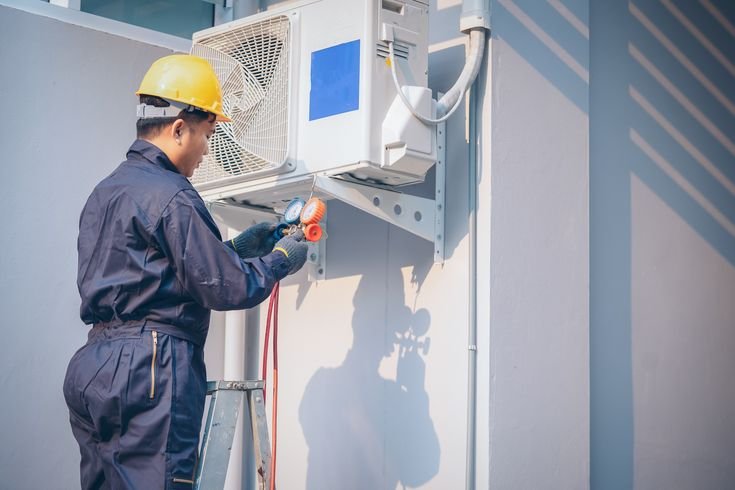
Maintaining a comfortable indoor environment is something most of us take for granted, yet it is a complex balance of heating, ventilation, and air conditioning systems says Foothills Properties solutions. Whether it is sweltering summer heat or the biting chill of winter, our dependence on HVAC systems cannot be overstated. However, these systems are intricate networks of technology and mechanics that require precise installation, regular maintenance, and timely repairs. This is where a professional HVAC contractor becomes indispensable.
An HVAC system, at its core, is designed to control indoor temperature, humidity, and air quality. Modern systems do this efficiently, yet their efficiency hinges significantly on proper installation and consistent maintenance. A poorly installed system can lead to uneven temperatures, excessive energy bills, and a shorter lifespan of the equipment. Conversely, an expertly installed system by a knowledgeable HVAC contractor ensures optimum performance, reliability, and comfort.
Understanding the HVAC System Components
To appreciate the value of a competent HVAC contractor, it is important to understand the main components of these systems. Heating systems, such as furnaces and heat pumps, generate warmth and distribute it throughout a building. Ventilation, often overlooked, ensures that indoor air is circulated and cleaned of pollutants, allergens, and excessive humidity. Air conditioning systems regulate indoor temperature during hot weather while also contributing to humidity control. Each of these components interacts with the others in a delicate balance that must be precisely calibrated.
A skilled HVAC contractor not only understands how each of these components functions individually but also how they interact as a whole system. This holistic knowledge allows for better system design, accurate troubleshooting, and effective maintenance, ensuring that every element works harmoniously to provide maximum comfort and efficiency.
The Importance of Proper Installation
One of the most critical stages of any HVAC system is its installation. Proper installation ensures that the system runs efficiently, reduces energy consumption, and extends the life of the equipment. Many homeowners make the mistake of underestimating the complexity involved in installing HVAC systems, thinking that any technician can manage it. However, installation involves precise calculations for load capacity, duct design, refrigerant charging, and electrical connections. Mistakes in these areas can lead to frequent breakdowns, poor indoor air quality, and increased operating costs.
Professional HVAC contractors undergo extensive training and certification to manage these complex installations. They use advanced diagnostic tools and adhere to industry standards, which ensures that the system performs at its peak from day one. Furthermore, expert installation can prevent issues such as uneven cooling or heating, high utility bills, and unexpected equipment failures. Engaging a qualified HVAC contractor guarantees that these potential problems are avoided, giving property owners peace of mind and a dependable system for years to come.
Regular Maintenance: The Key to Longevity
Even the most efficiently installed system can degrade over time if it is not properly maintained. Routine maintenance includes tasks such as cleaning and replacing air filters, inspecting ductwork, checking refrigerant levels, lubricating moving parts, and testing the overall system for operational efficiency. Neglecting maintenance can lead to reduced performance, higher energy costs, and eventual system breakdowns.
A reliable HVAC contractor provides scheduled maintenance services tailored to each system’s unique requirements. Regular inspections allow the contractor to identify minor issues before they escalate into major problems, saving both time and money. Moreover, proactive maintenance improves energy efficiency, reduces wear and tear, and ensures that the indoor environment remains comfortable and safe. Homeowners and business managers alike benefit from the expertise and foresight that professional HVAC contractors bring to preventive maintenance.
Troubleshooting and Repairs
Despite meticulous installation and maintenance, HVAC systems can still encounter issues due to wear and tear, mechanical failures, or external factors. Common problems include refrigerant leaks, malfunctioning thermostats, frozen coils, or blower motor failures. While some of these problems might seem minor, ignoring them can compromise the entire system and even lead to safety hazards such as carbon monoxide leaks in heating systems.
A skilled HVAC contractor is equipped to handle a wide range of repair scenarios. Through precise diagnostics, they can pinpoint the root cause of a problem and implement effective solutions. Their expertise ensures that repairs are not just temporary fixes but long-term resolutions that restore optimal system performance. Additionally, professional contractors often have access to high-quality replacement parts and tools that guarantee reliability and compliance with safety standards.
Energy Efficiency and Cost Savings
Energy efficiency is a major concern for homeowners and businesses today, both from an environmental and a financial perspective. Inefficient HVAC systems consume more energy, leading to higher utility bills and an increased carbon footprint. A professionally installed and maintained system, however, operates at peak efficiency, providing comfort while minimizing energy consumption.
An experienced HVAC contractor plays a pivotal role in optimizing system efficiency. They can recommend the right system size, ensure proper duct insulation, and advise on programmable thermostats and energy-saving practices. By aligning system performance with the building’s specific needs, contractors help clients achieve substantial cost savings while contributing to sustainable energy usage. This combination of comfort, reliability, and efficiency highlights the critical value of professional HVAC services.
Indoor Air Quality and Health
Beyond temperature regulation, HVAC systems significantly impact indoor air quality (IAQ). Poorly maintained or improperly installed systems can circulate dust, allergens, mold spores, and other pollutants, which may exacerbate respiratory issues and allergies. Ventilation systems that are not correctly balanced may lead to stale or excessively humid air, creating an unhealthy environment.
Professional HVAC contractors understand the relationship between air quality and system design. They ensure that filters are appropriately selected, ductwork is clean and sealed, and ventilation rates are optimized for the building’s occupancy and usage patterns. Some contractors also offer advanced IAQ solutions, including UV light air purifiers, humidifiers, and dehumidifiers, to enhance indoor health and comfort. This holistic approach underscores the essential role of an HVAC contractor in safeguarding not just comfort, but the wellbeing of occupants.
Selecting the Right HVAC Contractor
Choosing the right HVAC contractor requires careful consideration. Factors such as certifications, experience, customer reviews, and service offerings should be thoroughly evaluated. Licensed and insured contractors demonstrate credibility and adherence to safety standards, while those with extensive experience are more likely to deliver high-quality workmanship. Additionally, contractors who offer comprehensive services, including installation, maintenance, and repairs, provide a one-stop solution that ensures consistency and reliability.
Clear communication is another key factor. The ideal HVAC contractor explains complex technical issues in a way that is easy to understand, offering transparent estimates and realistic timelines. This level of professionalism fosters trust and ensures that clients can make informed decisions about their HVAC systems. Ultimately, the best contractors combine technical expertise with strong customer service, delivering solutions that meet both performance and comfort expectations.
Technological Advancements and Future Trends
The HVAC industry continues to evolve with advancements in technology. Smart thermostats, energy-efficient systems, and predictive maintenance solutions are transforming the way indoor environments are managed. These innovations allow for precise control over temperature, humidity, and energy consumption, often through mobile apps or automated systems. Implementing these technologies effectively requires specialized knowledge that only a trained HVAC contractor possesses.
Looking ahead, sustainability will play an increasingly important role. Contractors are now focusing on eco-friendly refrigerants, solar-assisted heating and cooling, and systems designed to reduce carbon footprints. Staying abreast of these trends ensures that clients receive modern solutions that are both efficient and environmentally responsible. Engaging a knowledgeable HVAC contractor allows property owners to benefit from these advancements while maintaining optimal comfort and system reliability.
Conclusion
The importance of a professional HVAC contractor cannot be overstated. From proper installation and routine maintenance to troubleshooting, repairs, and energy optimization, these experts ensure that heating, ventilation, and air conditioning systems function efficiently and reliably. Their expertise directly impacts comfort, cost savings, indoor air quality, and overall system longevity.
Investing in a skilled HVAC contractor is not merely a matter of convenience—it is a strategic decision that ensures long-term comfort, efficiency, and health. As systems become more technologically advanced and energy-conscious, the role of the HVAC contractor will continue to be central in delivering safe, efficient, and sustainable indoor environments. Whether addressing immediate repairs or planning for future upgrades, entrusting your HVAC needs to a qualified professional guarantees that your indoor spaces remain comfortable, healthy, and reliable for years to come.
 Qasim Bhai