

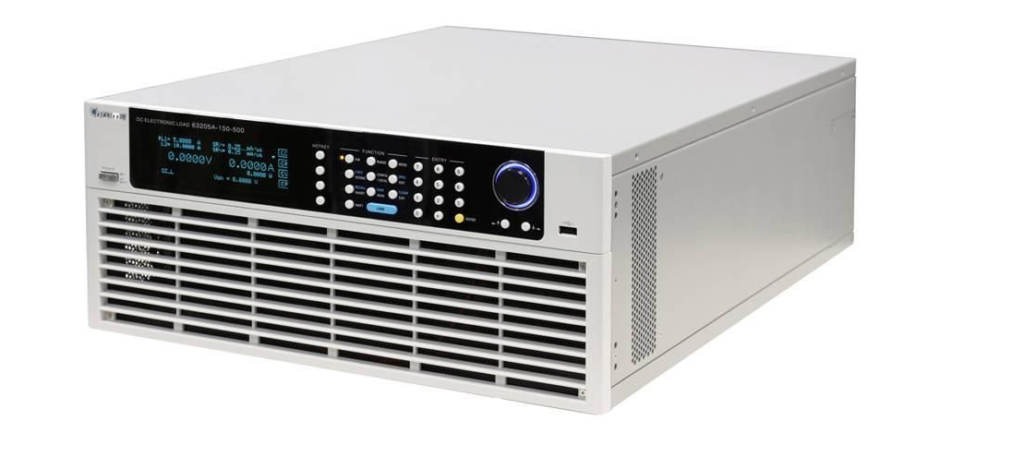
Used test equipment offers a practical and cost-effective solution for professionals, hobbyists, and laboratories needing reliable measurement tools without the expense of new instruments. From oscilloscopes and multimeters to power supplies and signal generators, pre-owned equipment can meet technical demands while saving significant investment. However, ensuring that high-quality used test equipment delivers accurate, consistent, and safe results requires careful evaluation, proper calibration, and ongoing maintenance.
The first consideration when acquiring used test equipment is reliability. Instruments that have been heavily used or improperly maintained may suffer from wear and tear that affects performance. Components such as probes, connectors, switches, and internal circuitry can degrade over time, leading to inaccuracies or intermittent failures. Buyers must inspect equipment thoroughly, considering the age, model, and history of usage. Visual inspections for physical damage, corrosion, or missing parts are essential to avoid purchasing unreliable tools.
Functionality testing is another critical step. Before integrating a used instrument into a workflow, it should be powered on, tested for core functions, and compared against known standards or reference equipment. This evaluation helps identify potential faults that could compromise accuracy or safety. While minor cosmetic imperfections may be acceptable, functional integrity is non-negotiable, particularly for instruments used in high-stakes or professional applications.
Calibration is central to maintaining confidence in measurement accuracy. Over time, electronic components drift due to factors such as temperature changes, usage, or aging materials. Without calibration, readings from test equipment may deviate from actual values, potentially compromising experiments, production processes, or safety-critical systems. Calibration aligns the instrument’s readings with recognized standards, ensuring that measurements remain precise and repeatable.
Many buyers of used equipment seek guidance from expert resources to ensure proper calibration and performance. Platforms that focus on ensuring calibration and reliability in used test equipment provide detailed advice on verifying calibration status, evaluating measurement tolerances, and selecting trustworthy suppliers. These resources emphasize the importance of certified calibration reports and the use of accredited calibration services, which guarantee that instruments meet industry standards.
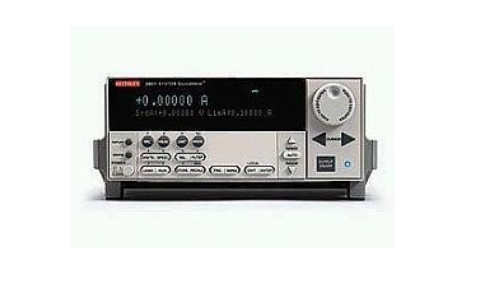
Certification and documentation are crucial when acquiring used instruments. Reliable suppliers provide calibration certificates showing the date, methods, and traceability to recognized standards. Instruments with documented calibration histories are more likely to deliver consistent performance, reducing the risk of inaccurate measurements or equipment failure. For laboratories, maintaining these records also supports compliance with regulatory and quality management requirements.
Maintenance and ongoing checks further enhance the reliability of used test equipment. Regular inspection, cleaning, and preventive maintenance extend the lifespan of instruments and prevent performance degradation. For electronic devices, checking connections, verifying battery or power supply health, and monitoring display accuracy are standard practices. Periodic recalibration ensures that measurements remain within specified tolerances, preserving confidence in data integrity.
Environmental factors can also impact the reliability of test equipment. Extreme temperatures, humidity, dust, or vibration may accelerate component degradation or affect measurement stability. Proper storage, including protective cases, controlled environments, and minimal exposure to harsh conditions, safeguards instruments and prolongs operational life. Equipment that has been stored appropriately is more likely to perform reliably even after years of previous use.
Advanced considerations include firmware updates and software compatibility. Many modern test instruments rely on embedded software to perform measurements, store data, or communicate with computers. Outdated firmware can affect functionality or introduce measurement errors. Ensuring that used equipment has up-to-date firmware and compatible software enhances performance and reduces the likelihood of operational issues.
Cost and value assessment is another important aspect of acquiring used test equipment. While pre-owned instruments are more affordable than new units, buyers must weigh initial savings against potential costs for calibration, repair, or replacement parts. A seemingly low-cost instrument may require extensive servicing to meet operational standards, negating the financial advantage. Careful evaluation ensures that purchases offer both savings and long-term reliability.
Selecting reputable suppliers is fundamental. Trusted vendors often perform initial testing, calibration, and refurbishment, providing buyers with confidence in the condition and accuracy of the equipment. They may also offer warranties or support services, further mitigating the risks associated with purchasing used instruments. Suppliers with established reputations in the industry reduce the uncertainty and potential challenges of integrating pre-owned equipment into professional workflows.
Ultimately, ensuring the reliability and calibration of used test equipment is about diligence, knowledge, and consistent maintenance. By understanding the importance of functional integrity, certified calibration, proper storage, and ongoing inspections, users can safely incorporate pre-owned instruments into laboratories, workshops, or professional environments without compromising accuracy or safety.
Conclusion
Used test equipment can provide cost-effective and high-performing solutions when proper attention is given to calibration, reliability, and maintenance. Platforms that emphasize ensuring calibration and reliability in used test equipment offer guidance on evaluating instruments, verifying calibration, and selecting reputable suppliers. By prioritizing certification, functionality checks, and ongoing care, professionals, hobbyists, and laboratories can confidently integrate used equipment into their workflows, ensuring precise measurements, dependable performance, and long-term value.
 hamza seo
  Shaban Ch