

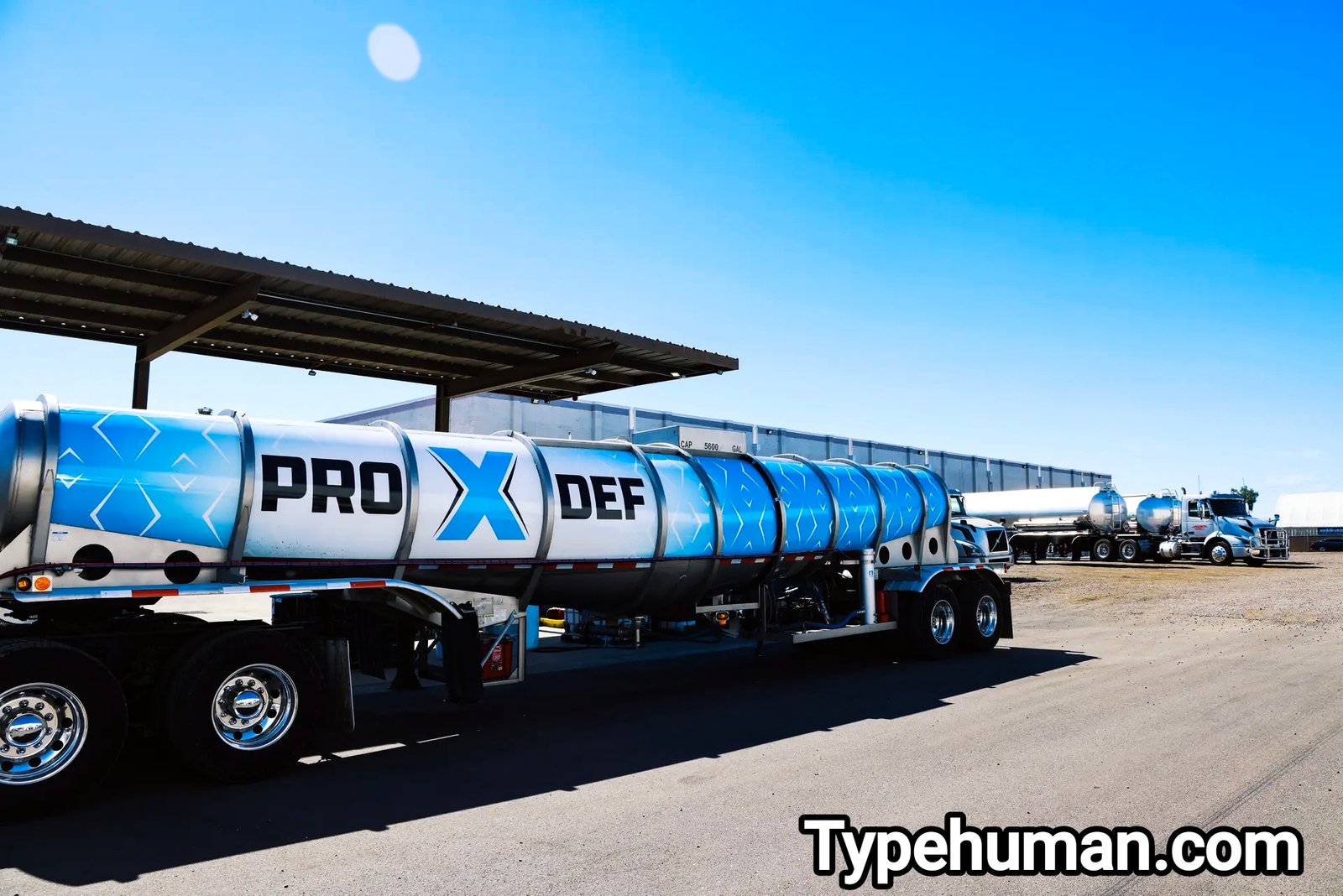
In the modern era of diesel-powered vehicles and heavy-duty machinery, meeting environmental regulations while maintaining optimal engine performance has become increasingly critical. One of the most effective solutions for achieving these objectives is Diesel Exhaust Fluid (DEF), a key component in selective catalytic reduction (SCR) systems. Among the various approaches to manage DEF efficiently, bulk diesel exhaust fluid use stands out as an effective strategy for businesses and fleet operators who rely heavily on diesel-powered equipment. This article explores the importance, advantages, applications, storage considerations, and best practices associated with bulk diesel exhaust fluid.
Understanding Diesel Exhaust Fluid
Diesel Exhaust Fluid is a non-toxic, aqueous urea solution specifically formulated to reduce nitrogen oxide (NOx) emissions in diesel engines. Typically composed of 32.5% high-purity urea and 67.5% deionized water, DEF works by being injected into the exhaust stream of a diesel engine equipped with an SCR system. The urea decomposes to form ammonia, which then reacts with harmful NOx gases, converting them into harmless nitrogen and water vapor. This chemical process allows vehicles to comply with stringent emission standards without compromising engine performance or fuel efficiency.
The increasing demand for environmentally friendly diesel engines has made DEF a critical component in commercial fleets, long-haul trucks, construction machinery, and agricultural equipment. Using DEF consistently ensures that engines operate within regulatory limits while minimizing the environmental footprint of diesel-powered operations.
Advantages of Bulk Diesel Exhaust Fluid Use
Adopting bulk diesel exhaust fluid use provides numerous operational, financial, and environmental advantages for businesses and fleet operators. One of the primary benefits is cost efficiency. Purchasing DEF in bulk quantities significantly reduces the per-gallon cost compared to buying smaller containers or pre-packaged bottles. This cost advantage is particularly significant for companies managing large fleets where DEF consumption can be substantial.
Another key benefit of bulk DEF usage is logistical convenience. By storing DEF on-site in dedicated tanks or dispensing systems, businesses can ensure a continuous supply of fluid, reducing the need for frequent deliveries and minimizing operational disruptions. This is especially advantageous for organizations operating in remote locations or industries with high daily diesel usage, such as transportation, construction, and agriculture.
Additionally, bulk DEF storage allows for precise inventory management. Operators can monitor usage patterns, forecast demand, and schedule deliveries proactively, ensuring that the SCR systems of diesel engines never run dry. Running out of DEF can trigger engine derating or shutdowns in modern diesel engines, leading to costly downtime. Therefore, bulk DEF use is not only economical but also critical for maintaining uninterrupted operations.
Applications Across Industries
The use of DEF is not limited to a single sector; it spans multiple industries where diesel engines play a crucial role. In transportation, long-haul trucks and buses rely on SCR systems to meet emissions regulations and reduce NOx output. Bulk DEF storage at fleet depots enables these vehicles to access a steady supply of fluid without the need for frequent small purchases, ensuring compliance and operational efficiency.
In construction and heavy machinery sectors, equipment such as excavators, bulldozers, and cranes consume large volumes of diesel fuel. Integrating bulk diesel exhaust fluid use into daily operations allows companies to maintain SCR functionality across all machinery, contributing to reduced environmental impact while improving engine longevity. Similarly, agricultural equipment like tractors and harvesters benefit from on-site bulk DEF storage, particularly during peak seasons when fuel and fluid consumption are at their highest.
Moreover, mining operations, marine vessels, and power generation plants that use diesel engines also gain significant advantages from bulk DEF. In these industries, DEF storage and dispensing solutions must be robust, designed to withstand harsh environmental conditions, and capable of supplying large volumes efficiently.
Storage Considerations and Handling
Proper storage and handling of diesel exhaust fluid are crucial to preserve its chemical integrity and ensure optimal performance. DEF is sensitive to contamination and extreme temperatures, and improper storage can degrade its quality. Bulk DEF should be stored in dedicated, temperature-controlled tanks made of compatible materials such as high-density polyethylene or stainless steel to prevent chemical reactions or contamination.
Temperature control is particularly important because DEF can freeze at approximately 12°F (-11°C) and decompose at temperatures above 86°F (30°C) over extended periods. Most bulk DEF tanks are equipped with insulation and heating systems to maintain a stable temperature, ensuring the fluid remains effective regardless of seasonal conditions. Proper tank design also includes features such as spill containment, filtration systems, and pumps for efficient dispensing.
In addition to temperature management, cleanliness is critical. Contaminants such as dirt, fuel, or other chemicals can compromise DEF’s efficacy, leading to SCR system malfunctions or increased emissions. Therefore, operators must implement stringent handling protocols, including using dedicated pumps and hoses, performing routine inspections, and keeping storage areas free from dust and debris.
Environmental and Regulatory Benefits
Bulk diesel exhaust fluid use is not just a matter of operational convenience; it also aligns with environmental compliance goals. Governments worldwide have imposed stringent NOx emission standards for diesel engines, and non-compliance can result in hefty fines, operational restrictions, or reputational damage. DEF plays a pivotal role in enabling diesel engines to meet these regulations.
By using DEF effectively, fleet operators and equipment managers can reduce harmful emissions significantly. The selective catalytic reduction process converts NOx gases—key contributors to smog and acid rain—into harmless nitrogen and water vapor. This not only helps companies avoid regulatory penalties but also demonstrates a commitment to sustainability, an increasingly important factor for investors, clients, and communities.
Cost Management and Efficiency
From a financial perspective, bulk DEF use is a strategic choice for cost management. Buying DEF in smaller quantities often results in higher unit prices and increased logistical expenses due to more frequent deliveries. Bulk purchasing allows organizations to negotiate better pricing with suppliers, reduce handling costs, and minimize the environmental impact associated with frequent transportation.
Furthermore, bulk DEF storage systems can be integrated with automated dispensing and monitoring solutions. These technologies track fluid levels, usage patterns, and temperature fluctuations in real time, enabling fleet managers to make data-driven decisions. For example, by analyzing consumption trends, companies can optimize refilling schedules, prevent shortages, and avoid engine downtime caused by DEF depletion.
Best Practices for Bulk Diesel Exhaust Fluid Use
To maximize the benefits of bulk diesel exhaust fluid use, operators should adhere to best practices that ensure quality, safety, and efficiency. Key practices include:
- Tank Selection: Choose tanks made from materials compatible with DEF, ensuring chemical stability and durability. Consider tanks with temperature control features to prevent freezing or decomposition.
- Filtration Systems: Install filters on dispensing systems to prevent contamination from dust, dirt, or other impurities. Regularly inspect and maintain filters to maintain fluid quality.
- Temperature Management: Maintain DEF within the recommended temperature range. Use heaters or insulation in regions with extreme temperatures, and monitor tank temperatures continuously.
- Inventory Management: Implement a robust tracking system for monitoring DEF levels and usage patterns. Automated systems can generate alerts for low levels, preventing shortages.
- Training and Safety: Train staff on proper handling, storage, and dispensing procedures. Although DEF is non-toxic, spills can be corrosive to certain materials, and proper safety equipment should be used.
- Supplier Reliability: Partner with reputable DEF suppliers to ensure consistent quality and compliance with ISO 22241 standards, which define the purity and chemical composition of diesel exhaust fluid.
The Future of Diesel Exhaust Fluid
As emission standards continue to tighten globally, the role of diesel exhaust fluid in diesel engine operations will only grow. Innovations in bulk storage, dispensing, and monitoring technologies are making bulk diesel exhaust fluid more efficient, cost-effective, and environmentally responsible. Future developments may include real-time fluid quality sensors, automated replenishment systems, and integration with fleet management software to enhance operational efficiency further.
Moreover, as the transition to hybrid and electric powertrains progresses, DEF will remain essential for the existing diesel fleet that will continue to operate for decades. Ensuring proper bulk storage and use of DEF will therefore remain a critical operational priority for fleet operators, heavy machinery companies, and industries reliant on diesel engines.
Conclusion
The adoption of bulk diesel exhaust fluid represents a strategic approach for businesses and fleet operators seeking to balance environmental compliance, operational efficiency, and cost management. By understanding the chemical properties of DEF, implementing proper storage and handling practices, and leveraging bulk storage solutions, organizations can ensure uninterrupted SCR system operation, reduce NOx emissions, and optimize overall fleet performance. From transportation to construction, agriculture, and industrial applications, the benefits of bulk DEF use are clear—enabling operators to meet regulatory standards, minimize environmental impact, and improve bottom-line efficiency. As diesel engine technology continues to evolve, embracing bulk diesel exhaust fluid solutions will remain a key component of responsible and forward-thinking operational management.
 hamza seo