

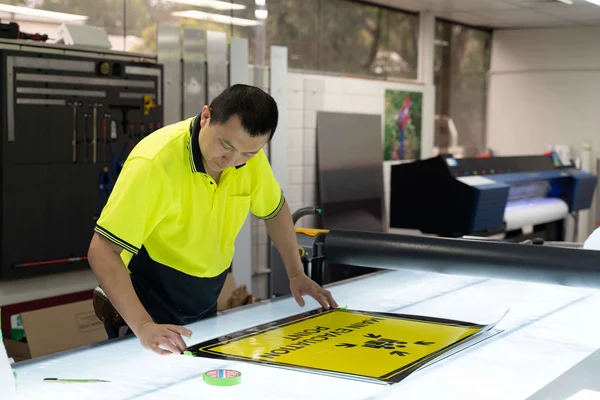
Digital printing has rapidly changed how businesses and governments produce signage, labels, and safety materials. From small custom stickers to large-format road boards, the technology behind modern printing has become faster, more precise, and more flexible than ever before. One area where this shift is especially important is safety communication — particularly warning signs.
If you’ve ever wondered what is digital printing and why it matters so much for safety signage, this guide breaks it down in simple terms. You’ll also see how it improves the quality, speed, and reliability of modern warning signs across Australia.
What Is Digital Printing?
In simple terms, digital printing is a method of printing where images and text are created directly from a digital file and printed onto material without the need for traditional printing plates.
Instead of setting up metal plates or screens, a printer reads a digital design file and applies ink or toner directly to the surface — such as vinyl, plastic, aluminum composite, or specialty sign boards. This makes the process faster and more flexible.
Key characteristics of digital printing include:
- Direct printing from computer files
- No plate or screen setup required
- Fast short-run and custom production
- High-resolution color output
- Easy design changes between print runs
When people search what is digital printing, they are usually trying to understand why modern printed products — especially warning signs — now look sharper and last longer than older versions.
Digital Printing vs. Traditional Methods for Signs
Traditional sign printing often relied on screen printing or offset methods. While those techniques still have uses, they come with limitations — especially for safety and warning signs that require frequent updates or smaller batch sizes.
Here’s a practical comparison:
Traditional Printing
- Requires setup plates or screens
- Slower for small runs
- Design changes increase cost
- Best for very large identical batches
Digital Printing
- No physical setup plates
- Ideal for short and medium runs
- Easy to customize each sign
- Faster production time
- Lower waste
For warning signs, customization matters. Different locations may require different symbols, sizes, or wording. Digital printing allows quick edits without restarting the entire production process — a major advantage for safety compliance.
Benefits for Australian Warning Signs
Digital printing is especially well suited for warning signs used in Australian conditions. From coastal salt air to extreme heat and UV exposure, signage must be both visible and durable.
Stronger Durability in Harsh Weather
Modern digital printers use UV-resistant inks and specialty coatings. This helps warning signs resist:
- Sun fading
- Rain damage
- Heat exposure
- Surface cracking
Better Visibility and Color Accuracy
Safety depends on fast recognition. Digital printing produces:
- Bright hazard colors
- Sharp symbols
- Clean text edges
- High contrast layouts
This improves readability at distance — critical for road and workplace warning signs.
Cost-Effective for Councils and Businesses
Because there are no plate setup costs, small batches of warning signs become affordable. That helps:
- Local councils update signage faster
- Construction firms replace damaged signs quickly
- Facilities maintain compliance without large print runs
Getting Started with Digital Printed Warning Signs
If you are planning to order digitally printed warning signs, keep these points in mind:
Choose the Right Material
Different environments require different substrates:
- Reflective vinyl for roads
- Rigid boards for construction zones
- Weatherproof composites for long-term outdoor use
Check Ink and Coating Quality
Ask whether the provider uses:
- UV-stable inks
- Protective laminates
- Scratch-resistant coatings
Confirm Compliance Standards
Warning signs must often meet regulatory guidelines. Make sure your supplier understands:
- Symbol standards
- Color codes
- Size requirements
- Visibility rules
Review Proofs Carefully
Because digital printing makes changes easy, always request a final proof before production. This reduces costly mistakes in safety messaging.
Conclusion
Understanding what is digital printing gives you insight into why today’s warning signs are more reliable, more visible, and faster to produce than ever before. The technology removes old setup barriers and allows precise, durable, and cost-effective signage production.
For Australian businesses and authorities, digitally produced warning signs offer clear safety advantages — from stronger weather resistance to better color clarity and quicker replacement cycles. As safety standards continue to rise, digital printing stands out as the modern, practical choice for warning signs that truly perform when it matters most.
 Shaban Ch